Here’s the truth most manufacturers won’t tell you upfront: that factory quote you received? It’s probably showing less than half the story.
I’ve spent 19 years in this industry, and I’ve watched countless publishers get blindsided by costs they never saw coming. Not because anyone was trying to deceive them, but because board game pricing is a system, not a single number.
The Real Formula
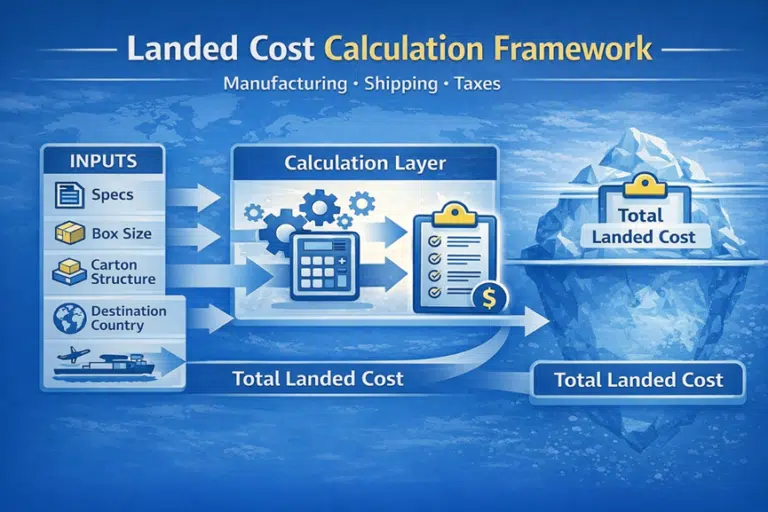
Total Landed Cost = Manufacturing + Assembly + Packaging + Shipping + Taxes + Risk Costs
This guide is your map through that system. I’ll show you exactly where costs originate, how they accumulate from design stage to warehouse delivery, and—more importantly—where the hidden traps are.
What Goes Into a Custom Board Game Price
Let’s break down the six cost categories that make up your total landed price. Skip any of these, and your budget has a hole in it.
1. Manufacturing Costs (Components)
This is what most factory quotes show you—but it’s just the starting point. Manufacturing covers:
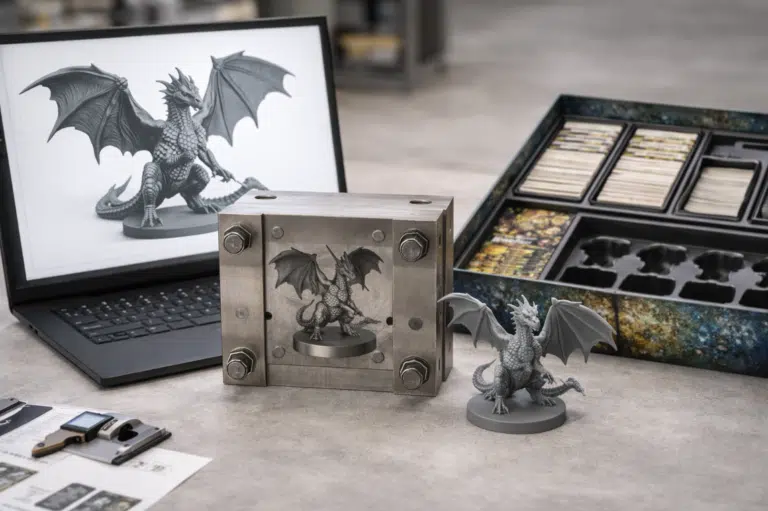
The real cost drivers here? Material specs, tooling requirements, surface finishing, and your order volume. Most first-time publishers focus only on the per-unit price and miss how these variables interact.
2. Assembly & Labor
Board games aren’t printed products—they’re assembled products. And assembly costs money.
Here’s what I’ve learned: assembly cost scales with component count, variability, and packing tolerance. A game with 50 different components costs significantly more to assemble than one with 10—even if the box size is identical.
3. Packaging & Master Cartons
Your packaging decisions affect cost far beyond how pretty the box looks on a shelf.
4. Shipping & Volumetric Weight
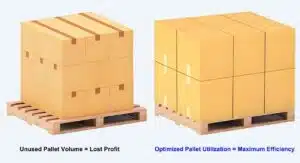
This is where most publishers get surprised. Most board games aren’t charged by actual weight—they’re charged by volumetric weight (dimensional weight) or cubic volume (CBM).
Shipping cost is driven by space efficiency, not by how heavy your game feels in hand.
Carton layout and packing density determine pallet utilization, which directly affects freight allocation per unit. Inefficient carton dimensions reduce usable pallet volume and increase shipping cost—especially painful in small and mid-volume runs.
5. Import Duties & VAT
Taxes depend on three factors:
Critical detail: VAT and duties are calculated on goods value plus freight, not manufacturing cost alone. That shipping cost you just calculated? It gets taxed too.
6. Destination Handling & Local Fees
The final stretch from port to warehouse:
These vary significantly by destination and logistics model. Don’t guess—get quotes for your specific route.
💡 Pro Tip
Packaging efficiency directly influences your shipping cost allocation. A poorly designed master carton can add 15-20% to your freight costs. Design for the pallet, not just for the customer.
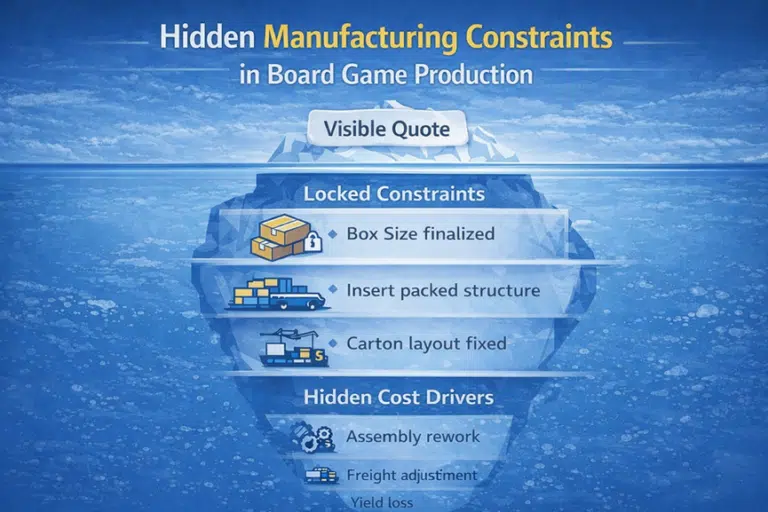
⚠️ The Cost-Lock Trap: Because packaging structure defines carton efficiency, shipping cost is often locked in long before you book logistics. Changes to box size, insert design, or carton configuration at later stages frequently trigger freight reclassification and unexpected cost jumps. Treat shipping as a design-stage constraint, not a post-production afterthought.
For detailed volumetric weight calculations and landed cost scenarios, see our deep-dive:
Transparent Pricing
Custom Board Game Pricing Examples
See real-world pricing examples for popular board game styles. Every project is unique. these estimates help you plan your budget before requesting a detailed quote.
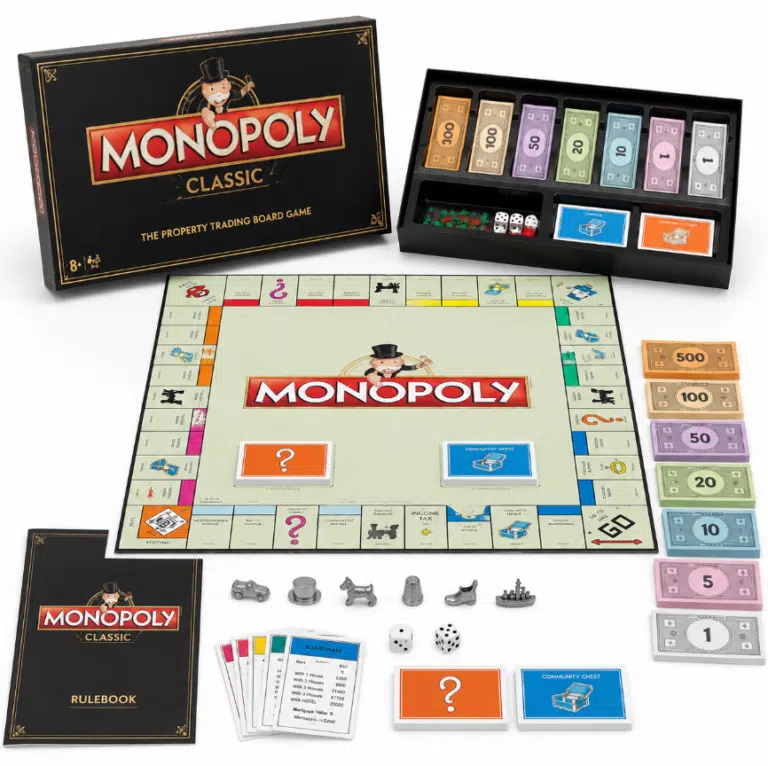
Monopoly-Style Game
Classic property trading board game
Component | Specification | Qty |
|---|---|---|
Game Board | Foldable 50×50cm, 2mm greyboard | 1 |
Player Tokens | 6 Metal tokens (car, ship, hat, etc.) | 6 |
Paper Money | 200 bills, 4 denominations | 200 |
Cards | 50 cards, 300gsm art paper | 50 |
Dice | 3 Standard 16mm acrylic dice | 3 |
Rulebook | A5, 16pp, full-color, saddle-stitch | 1 |
Game Box | Top-bottom box 30×30×8cm | 1 |
Estimated Quote (1,000 units)
$7 – 13 / set
Lead time: 15-60 days
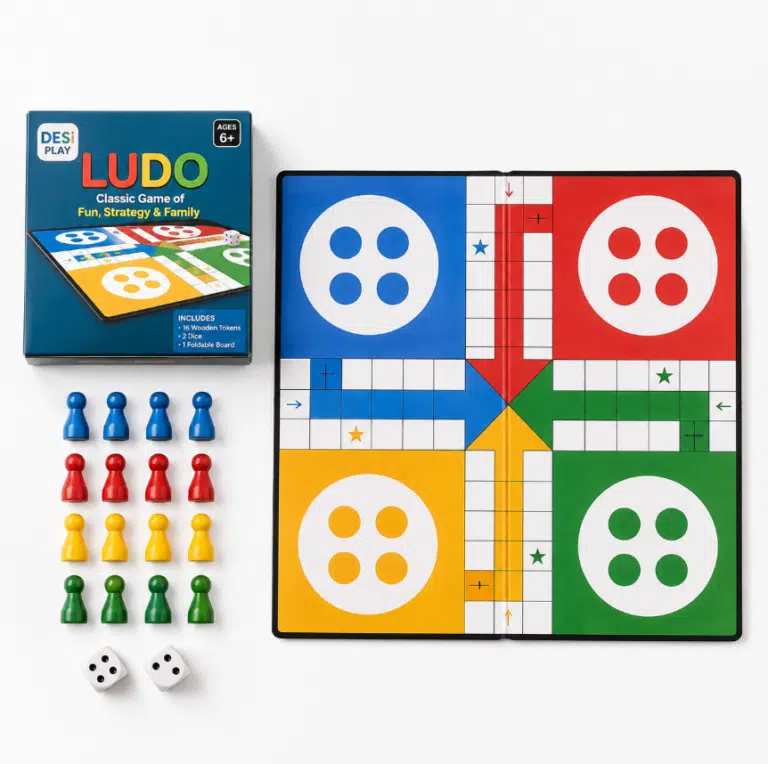
Ludo-Style Game
Family race-to-the-finish classic
Component | Specification | Qty |
|---|---|---|
Game Board | Foldable 40×40cm, 2mm greyboard | 1 |
Player Tokens | 16 Wooden tokens, 4 bright colors | 16 |
Dice | 2 Standard 16mm acrylic dice | 2 |
Game Box | Flip-top box 25×25×5cm | 1 |
Estimated Quote (1,000 units)
$4.5 – 10.5 / set
Lead time: 15-60 days
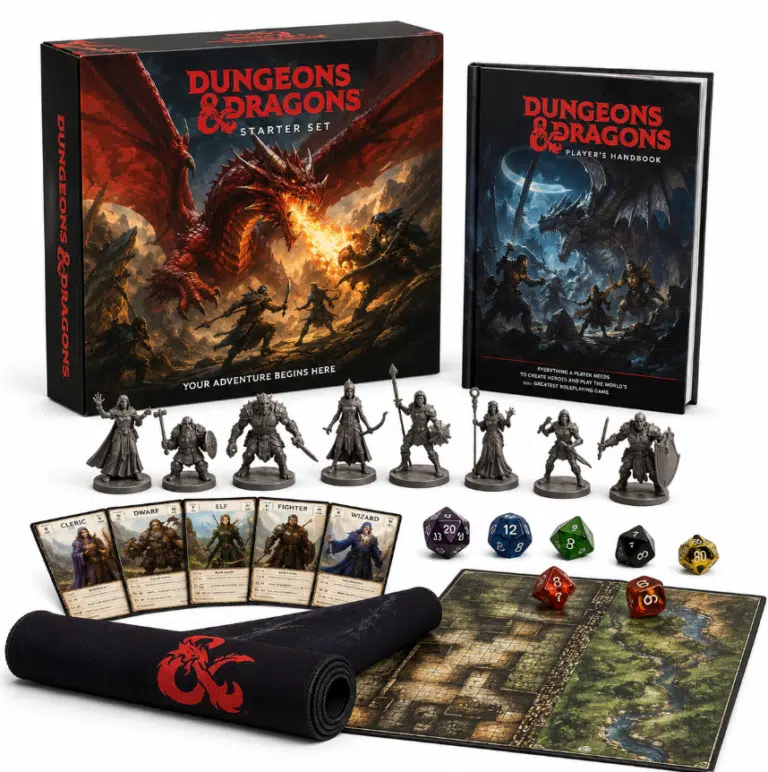
D&D Starter Set
RPG adventure kit with miniatures & dice
Component | Specification | Qty |
|---|---|---|
Game Board | Double-sided 60×45cm foldable | 1 |
Miniatures | 8 Plastic miniatures, 28-35mm | 8 |
Dice Set | 7 Polyhedral resin dice | 7 |
Rulebook | A4 hardcover, 64pp full-color | 1 |
Character Cards | 20 Cards, 350gsm art paper | 20 |
Game Box | Magnetic gift box 35×25×10cm | 1 |
Playmat | Neoprene 60×40cm×2mm | 1 |
Estimated Quote (1,000 units)
$12 – 26 / set
Lead time: 15-60 days
Individual Component Pricing
Need a quote for just one component? Check individual pricing for each sub-service.
From Factory Quote to Total Landed Cost
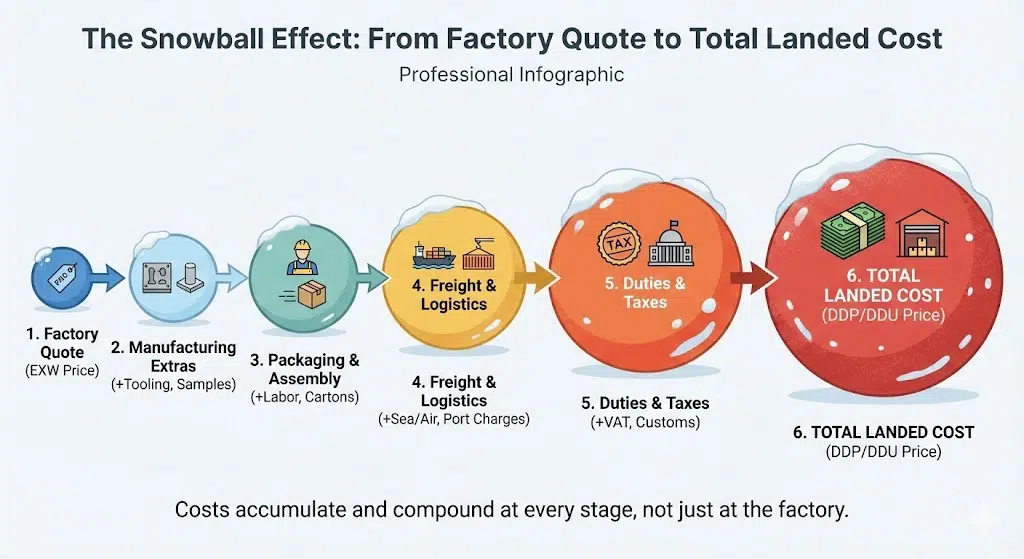
Custom board game landed cost is the total expense from the factory production line to your warehouse door—manufacturing, logistics, and destination charges included.
First-time publishers almost always underestimate landed cost. Why? Because factory pricing looks like the “core cost,” while logistics and taxes feel like secondary add-ons. They’re not.
Reality Check
Shipping, duties, and handling can add 30-50% to your final unit cost. Sometimes more, depending on destination and volume.
For step-by-step landed cost formulas:
Why Custom Board Games Cost More Than Expected
Board game manufacturing isn’t printing—it’s precision assembly at scale. Here are the assumptions that burn publishers:
Each of these assumptions falls apart when real manufacturing constraints enter the picture. Want the full breakdown?
Small Batch vs. Volume Production
Economies of scale in board games aren’t linear. Increasing volume doesn’t reduce all cost categories evenly.
Result? Small and mid-size runs carry a higher per-unit cost burden until you hit practical scale thresholds. Know your breakpoints before you commit to a run size.
How to Avoid Pricing Surprises
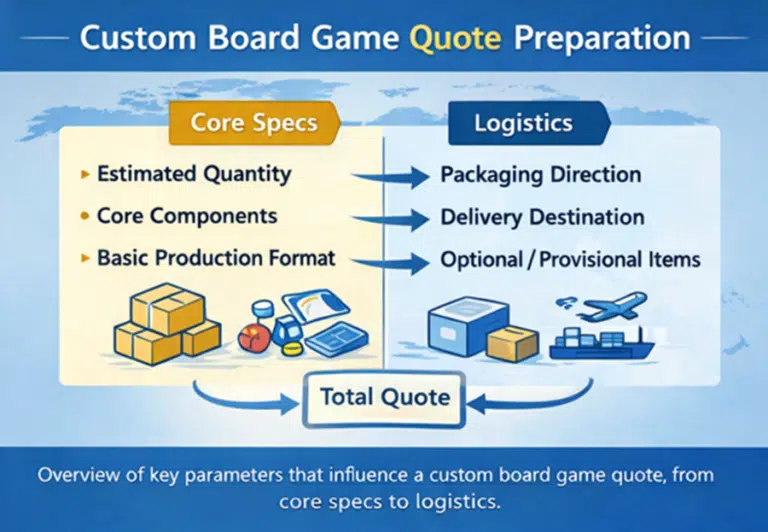
Before you request a quote, lock down these answers:
Clear answers = stable, realistic pricing. Vague answers = optimistic estimates that change later (when it’s expensive to fix).
Still unsure what details manufacturers need?
Conclusion: Pricing Is a System, Not a Number
Custom board game pricing is the result of interconnected manufacturing and logistics decisions—not a single line item on a quote sheet.
Without understanding the full cost structure, you can’t meaningfully compare quotes. One factory’s “cheaper” quote might exclude packaging optimization. Another might assume different shipping terms. Apples and oranges.
Understanding this system lets you evaluate quotes accurately, plan budgets responsibly, and—most importantly—avoid late-stage cost escalation that kills projects.
Our engineering team uses the exact framework in our Board Game Pricing Risk Checklist to lock in landed costs for every project.
🎲 Free Resource: Board Game Pricing Risk Checklist
Don’t leave your budget to chance. Download our comprehensive risk reference table to identify hidden cost drivers before you request a quote.
Understand Your Costs
Deep-dive guides to help you budget, plan, and avoid surprises.

Author: August Hu
Project Manager at FUNWAY • 19 years in game printing & manufacturing