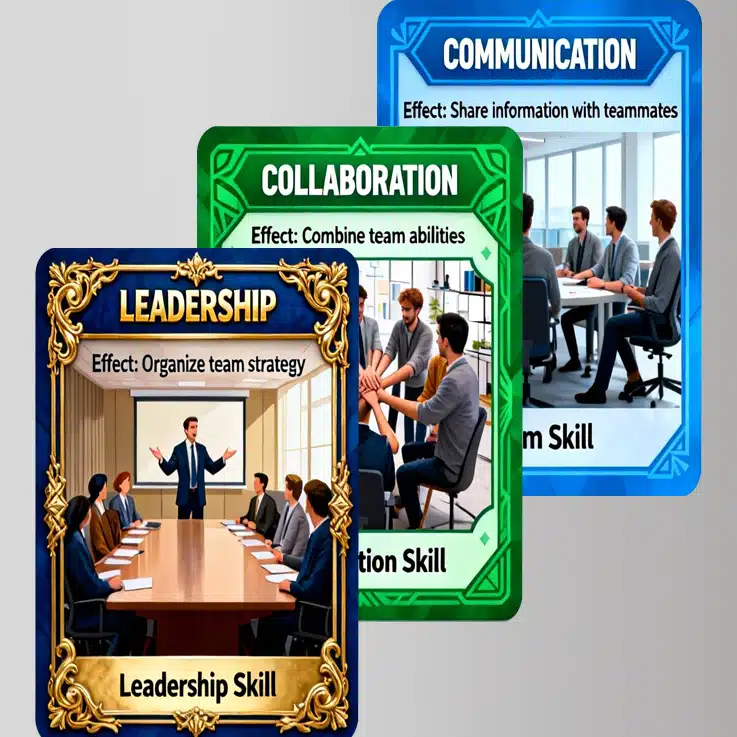
We Provide All options for Custom Cards
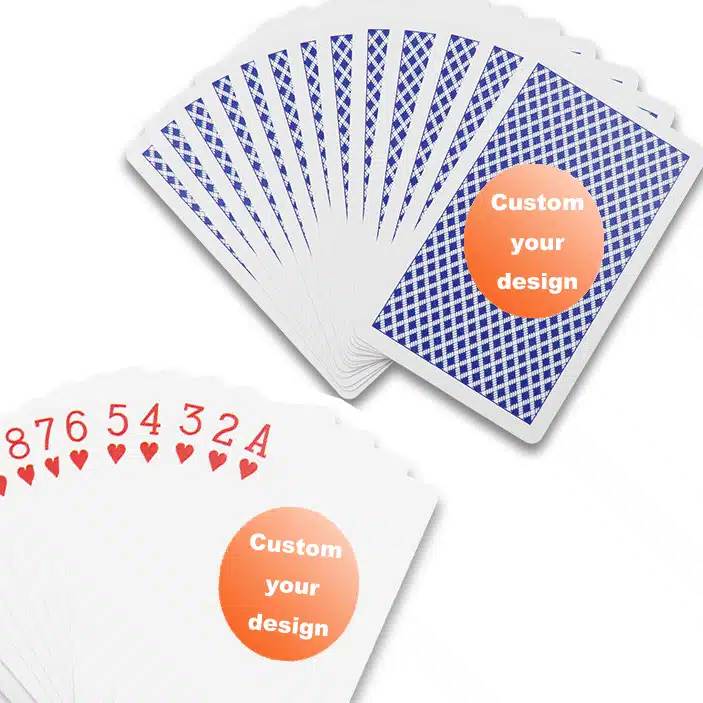
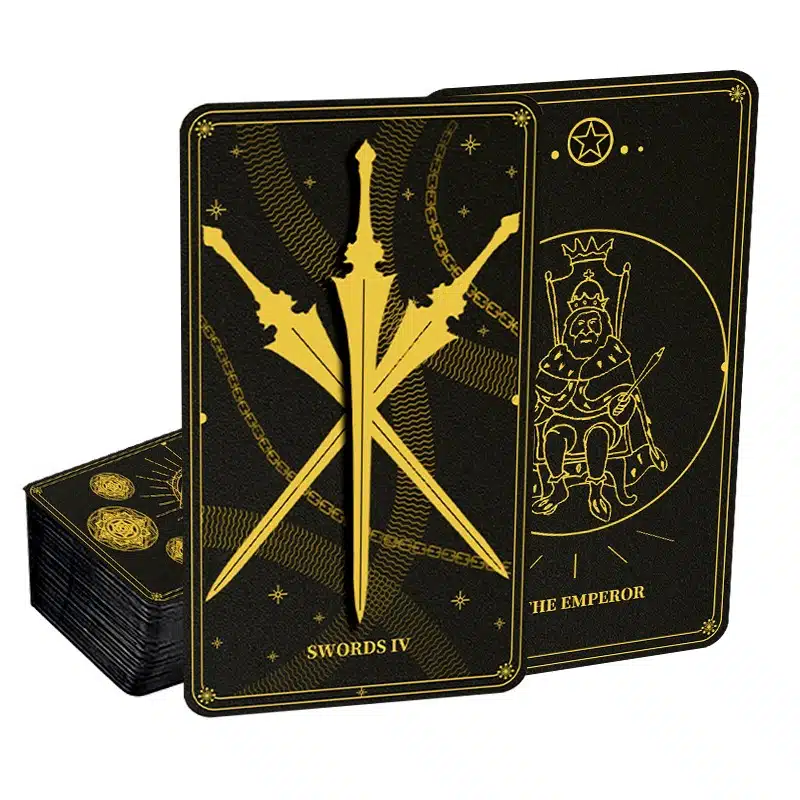
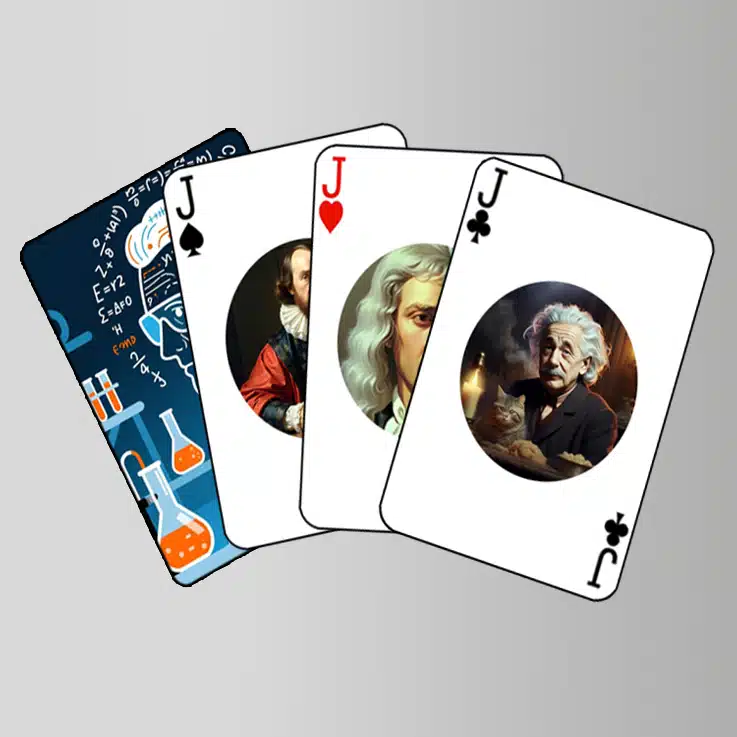
As an advanced Cards Manufacturer, FUMWAY can provide 100% customization for your Program.
Custom Cards Size & Format

Card size is usually where layout decisions start looking reasonable on screen and expensive in production. It affects sheet yield, die-cut layout, border consistency, deck height, and later box fit.
We usually do not start with what size looks best. We start with deck count, handling logic, and whether the format still makes sense once packaging and conversion are pulled in.
standard size:
We keep coming back to the same few formats because they stay stable in printing, die-cutting, and packing. If gameplay or artwork does not clearly require a size change, we usually do not force one.
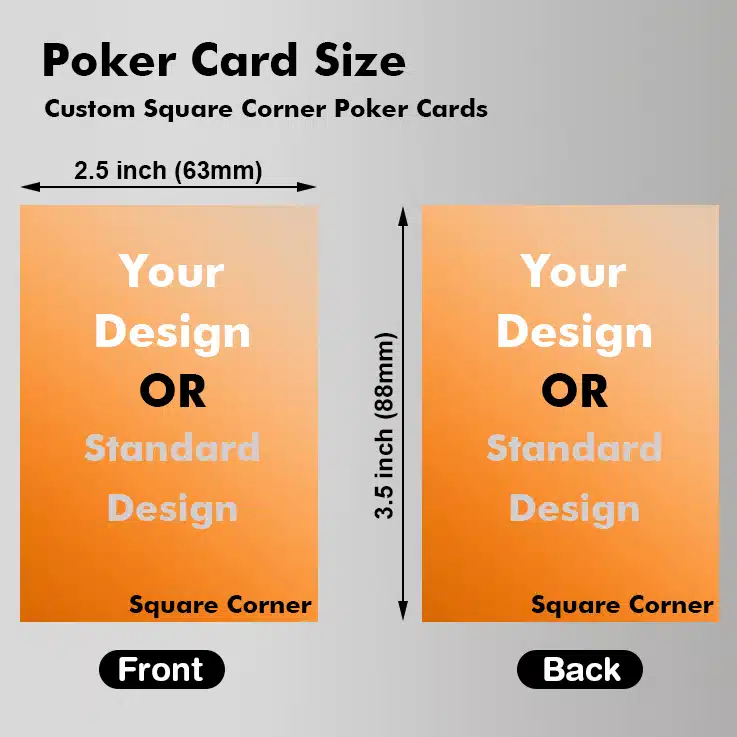
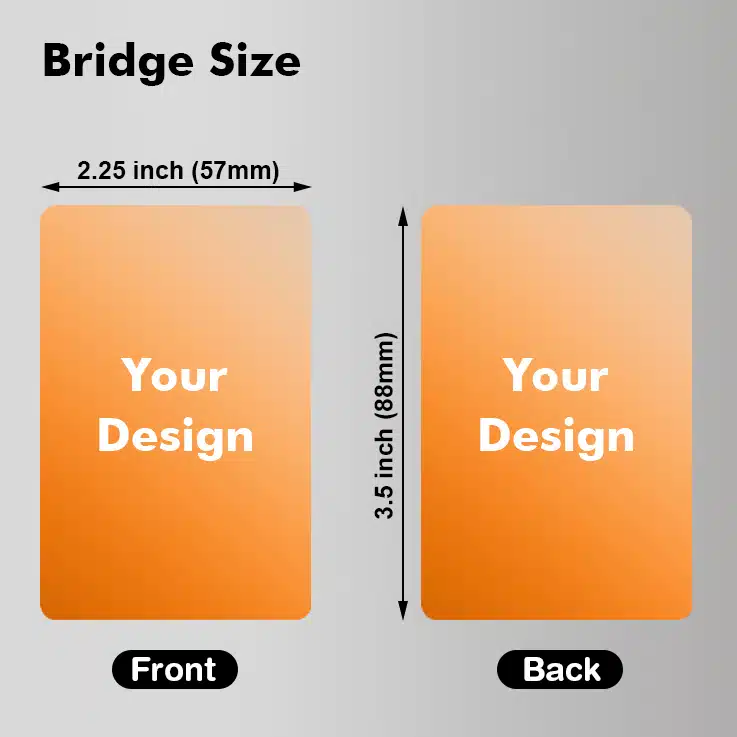
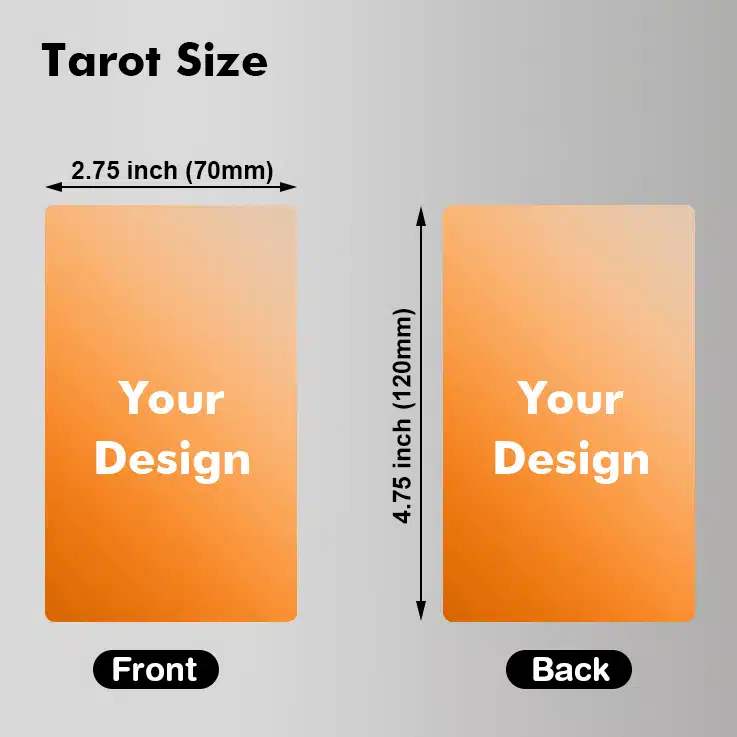
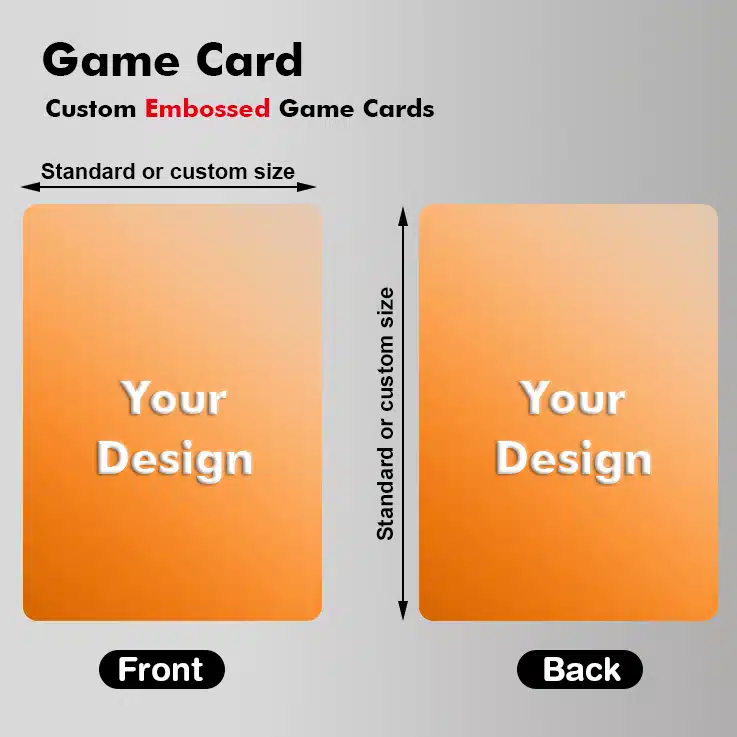

Custom Playing Card Size Feasibility
Non-standard sizes are workable. The problem is usually not the size itself, but when the decision gets made.
The usual mistake is to finalize artwork first and check production later. We do it the other way around: first confirm whether a standard size already works, then check sheet yield, die-cut layout, and packaging impact.
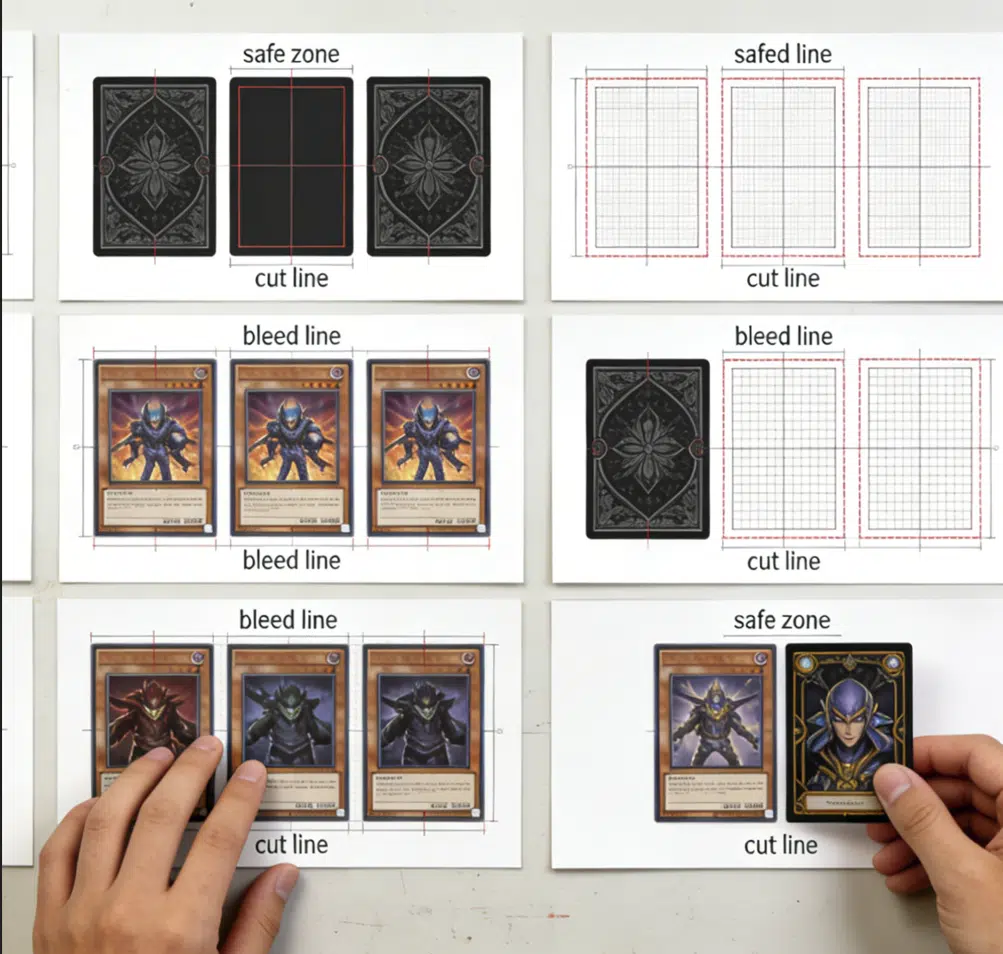
For most card projects, we expect artwork to carry a 3 mm bleed and a safe zone inside the cut line. Cutting is normally kept within commercial limits, often around ±0.5 mm depending on size, layout style, and tooling condition. If the design relies on ultra-thin borders or edge-critical framing, the layout usually becomes the problem before production does.

Corner Radius & Edge Durability
Card corners are not purely aesthetic. Radius selection shows up later in use, not at the sample stage — mainly in edge wear and shuffle feel over time.
In production, corner radius needs to match die-cut tooling and stock thickness. If not, corner cracking, inconsistent cuts, or an awkward in-hand feel can show up quickly.

Deck Thickness Consideration
Deck fit problems usually start before the box is selected. The real issue is usually that card count gets fixed before anyone checks the actual deck height.
The better sequence is: card count → stock build-up → deck height → box style.
If that order is reversed, the box usually ends up solving the wrong problem.

Practical Starting Configuration
For most board game publishers, Kickstarter creators, and retail card projects, a stable starting point is:
Custom Cards Material

In custom playing card manufacturing, material choice decides more than print quality. It affects opacity, snap, shuffle feel, edge wear, and how the deck holds up after repeated use.
We usually do not start with which stock sounds better. We start with whether the deck needs anti-see-through performance, how often it will be shuffled, and whether the project is play-led or print-led. That is where custom card printing decisions start separating from real custom game cards production.
Material Selection Logic
Material choice usually goes wrong when artwork is approved before card handling is defined. The better sequence is:
If this order is reversed, the deck may still look fine in sample form but fail in actual use. That happens more often with custom deck manufacturing than people expect.

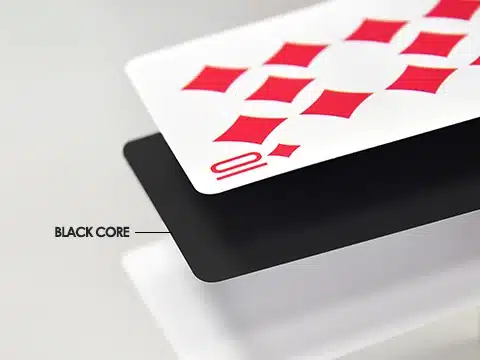
Black Core Paper — 280–350gsm
Black core is usually the safest call for custom playing cards, custom game cards, and black core playing cards where hidden information matters.
Its main job is opacity. If the deck is used for poker-style handling, TCG-style play, or any card back that cannot risk show-through, black core is usually where we start. It also gives a firmer snap and more controlled shuffle feel than lighter paper constructions.
This is not the cheapest structure, and not every project needs it. But if the game relies on secrecy, moving away from black core too early is usually the wrong cost cut.
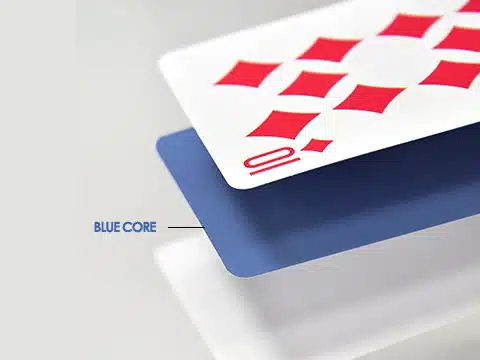
Blue Core Paper — 280–350gsm
Blue core is the middle-ground option when the deck still needs real card handling, but the budget does not support black core from the start.
It gives workable opacity, decent shuffle response, and a more game-card-like feel than plain coated stock. For many commercial decks, that is enough. For others, it is not.
If the project uses dark backs, hidden roles, or frequent shuffling, blue core can start showing its limit earlier than expected. We use it for budget control, not for premium language.
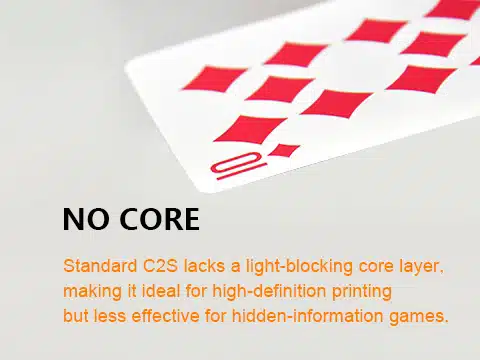
C2S Coated Paper — 300gsm / 350gsm
C2S works best when the project is print-led, not shuffle-led.
It gives a clean print surface and is practical for custom card printing where image sharpness matters more than card-game handling — for example flash cards, promo cards, educational decks, or low-frequency-use cards. It can look good quickly. That is the advantage.
The weakness shows up later. Opacity is lower, edge wear comes faster, and repeated shuffling usually exposes the limitation. If the deck is meant to behave like a real playing card deck, C2S is usually the wrong
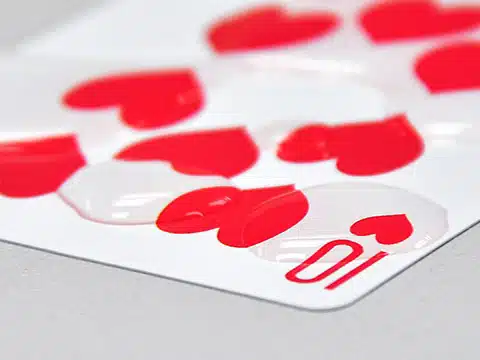
PVC Plastic — typically 0.32 mm
PVC is chosen for environment resistance first, not for paper-card feel.
It is waterproof, wipe-clean, and more stable in wet or high-contact conditions. That makes it useful for bar cards, kids’ cards, outdoor cards, and other projects where water resistance matters more than classic shuffle feel. For most PVC custom cards, 0.32 mm is the workable thickness because it stays flexible without feeling too soft.
If the target is a traditional paper-deck snap, PVC is usually not the right substitute. We use it when handling conditions are the problem, not when the goal is to imitate casino-style paper cards.

Practical Starting Point
If the material direction is still open, we usually start here:
- black core 280–350gsm for custom game cards where opacity and shuffle handling matter
- blue core 280–350gsm when the deck still needs playing-card behavior but budget lock-in is tighter
- C2S 300gsm / 350gsm for print-led decks with lower handling stress
- PVC 0.32 mm when water resistance matters more than paper feel
If a project needs frequent shuffling, hidden information, and tighter in-hand control, the wrong material choice will show up faster than the print defects. That is usually where custom playing cards stop performing like real game cards.
Custom Cards Printing

Printing in custom playing cards is not only about color reproduction. It determines registration accuracy, edge consistency, and how stable the artwork remains across production runs.
In custom card manufacturing, visible problems often come from method mismatch rather than artwork itself. The printing route has to match the substrate, the run logic, and the tolerance expectation early. If not, the first sample may still look acceptable.
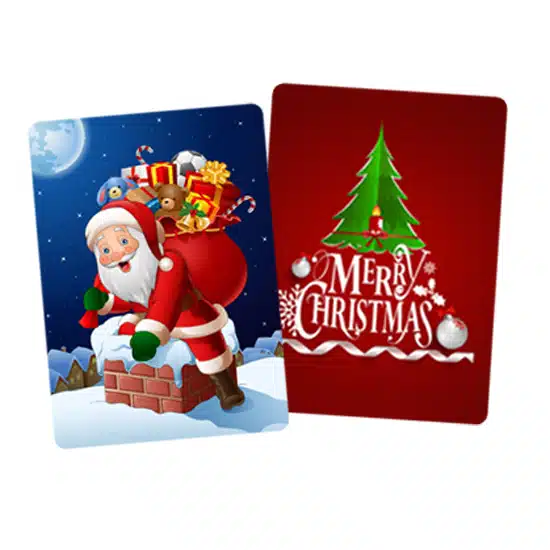
Full color printing: the most economical and reliable choice
For full color cards, to achieve a deep, rich, and true-to-life color spectrum, we utilize two precision printing methods: digital printing for limited editions and small runs, and offset printing for high-volume mass production. Both ensure exceptional color fidelity and vibrancy.
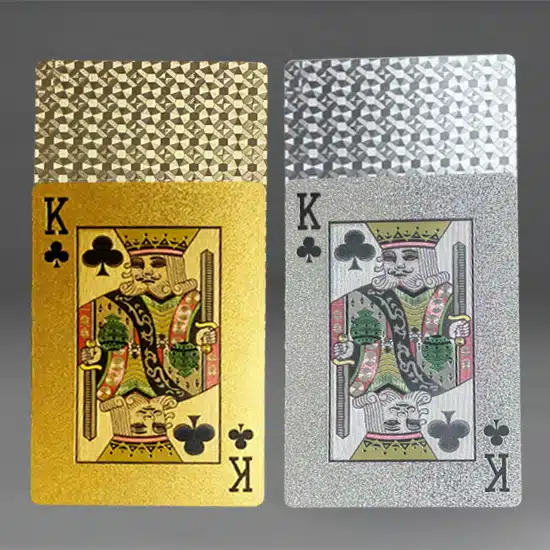
Gold/Silver foil stamping printing: high-quality and high-end
Gold/Silver foil stamping printing adds an extra elegant and expensive-looking touch to your deck of cards. It is the definitive way to turn any cards into a luxury deck and to give your custom cards a unique edge compared to others.
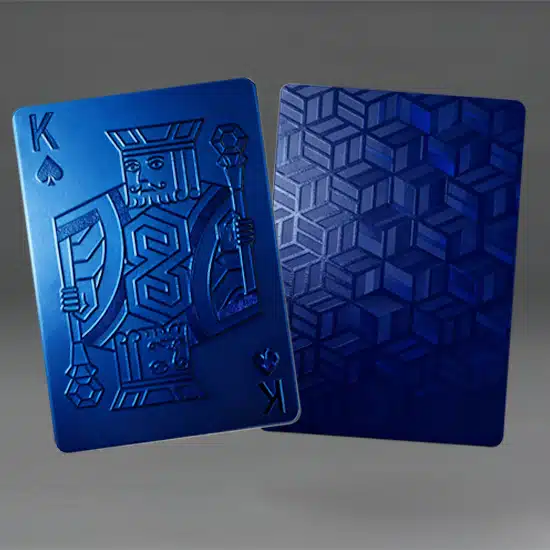
Spot UV printing: Showcases a sharply elevated pattern with a pronounced 3D look
Spot UV printing applies a high-gloss, clear coating to specific areas of your cards, creating a striking contrast between the vibrant, matte paper and the raised, reflective gloss. This technique adds a sophisticated texture and visual depth.
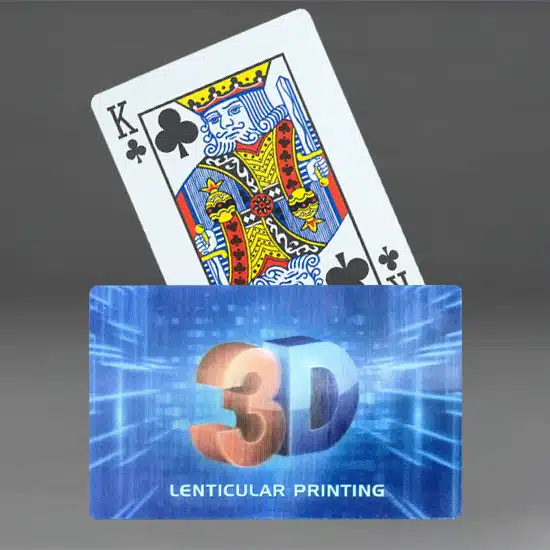
3D lenticular printing: provide things out of the ordinary
3D lenticular printing brings your custom cards to life with captivating motion and depth effects. By overlaying a specialized lens on a precisely printed interlaced image, this advanced technology creates the illusion of animation, morphing, or a stunning three-dimensional view.

Printing Selection Logic
Printing decisions usually go wrong when the method is chosen after artwork is already fixed. The more reliable sequence is:
- first confirm the substrate
- then check run size and repeat requirement
- then review coverage, detail density, and alignment sensitivity
- only after that, lock the printing route
If this order is reversed, the project may pass approval but start drifting later — usually at reorder stage, not sample stage.

Offset Printing (Paper Cards)
Offset is usually where we start for paper-based custom playing cards. Not because it sounds more professional, but because once volume, registration stability, and reprint consistency matter, the alternatives usually stop making sense.
This route works best when the deck is built on paper stock — especially black core or blue core constructions — and the artwork needs controlled color, tight front-to-back alignment, and cleaner behavior across full-sheet production. Solid areas, fine lines, borders, and repeated backs are where offset starts showing why it is still the main production route.
The trade-off is not quality. It is setup logic. If the run is too small, plate cost and calibration time start working against budget lock-in. But once the project moves into repeatable volume, offset is usually the safer manufacturing decision. If a paper deck needs stable reprints later, this is normally the route we would rather lock early than revisit after approval.

UV Printing (Plastic Cards)
We do not start with UV printing unless the substrate already forces the decision.
Once the card is made from PVC or another non-absorbent plastic, conventional paper-card printing logic stops working. The ink has to sit and cure on the surface, not sink into the stock. That is where UV printing starts making sense.
It is the practical route for plastic custom cards, waterproof decks, and cards that will be wiped, bent, or handled in wet environments. It is not the right route when the real target is paper-card feel and paper-card flex. That confusion happens more often than it should.

3D Lenticular Printing
This is usually the wrong choice unless the visual effect is the whole point of the card.
The process only works when the artwork is built around lens pitch from the beginning. If that design-stage constraint is ignored and lenticular is added later as a visual upgrade, the project usually starts failing at alignment, not at printing.
What matters here is not just printing quality, but image slicing, lens matching, and registration discipline. The effect can look strong when everything is locked correctly. If not, it breaks fast — and there is not much room to “fix it later” in production.

Practical Warning
The first sample does not usually expose the real printing risk.
The problem shows later — when a reorder needs to match the first batch, when a second run lands under a different calibration window, or when the artwork turns out to be less forgiving than the sample suggested. That is where the wrong printing route starts costing money.
If the project depends on repeat consistency, do not choose printing only by sample appearance. That shortcut usually breaks at reprint stage, not at approval stage.
Custom Cards Surface finishing

Surface finishing in custom playing cards is not mainly a visual choice. It controls how the deck behaves in use — glare under lighting, shuffle friction, edge wear, and how fast the cards start to feel “old”.
In custom card printing, most issues we see are not caused by printing itself, but by finishing being chosen too late or for the wrong reason.

Finishing Selection Logic
Finishing decisions usually go wrong at step 1. Designers often choose a finish based on look, then try to fix handling issues later. That rarely works.
The more reliable sequence is:
–first decide whether the deck needs surface protection or surface feel
–then check how often the deck will be shuffled
–then evaluate glare and readability under real lighting
–only after that, lock varnish, lamination, or texture
If this order is reversed, the deck may pass sampling but start sticking, flashing glare, or wearing unevenly after short use.
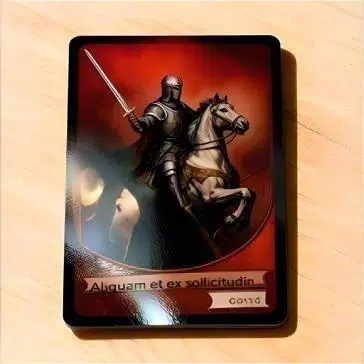
Glossy Varnish
Works when cost control and print clarity matter more than durability.
Gloss varnish adds minimal thickness and keeps the paper feel relatively open. It is often used in custom game cards where budget lock-in is tight and shuffle frequency is moderate.
It reflects light strongly. That helps color pop, but under overhead lighting it can reduce readability, especially for text-heavy layouts.
Not a good choice if the deck is shuffled frequently. Surface wear shows earlier than most expect.
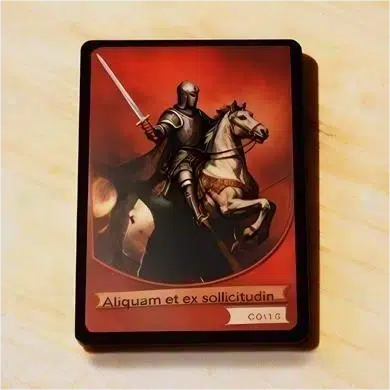
Matte Varnish
Used when glare control matters more than surface strength.
Matte varnish reduces reflection and improves readability in tabletop conditions. It keeps a more natural paper feel compared to lamination.
The trade-off shows up in durability. It marks faster, and the surface tends to pick up oils during repeated handling.
Works for strategy-heavy games where players read cards more than they shuffle them. Less suitable for decks that are constantly handled.
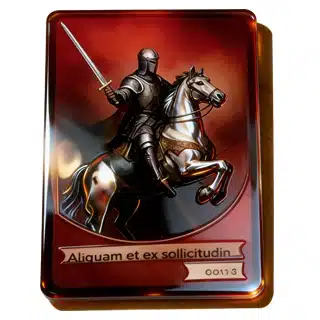
Glossy Lamination
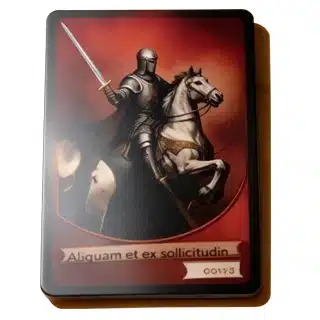
Gloss lamination is the more practical option when the deck needs better protection against rubbing, handling, and light moisture than bare paper stock can provide. The film layer helps the cards hold up better in use and usually makes shuffling easier, but the finish feels more coated and less paper-like in hand.
Matte Lamination
A more controlled version of lamination.
It reduces glare while still providing physical protection. Compared to varnish, it lasts longer. Compared to gloss lamination, it sacrifices some smoothness for visual control.
The common issue is friction. Matte film can slightly increase resistance during shuffling, especially in high-humidity environments.
Works for custom card printing projects where readability and durability both matter, but not for decks that rely on very smooth shuffle performance.
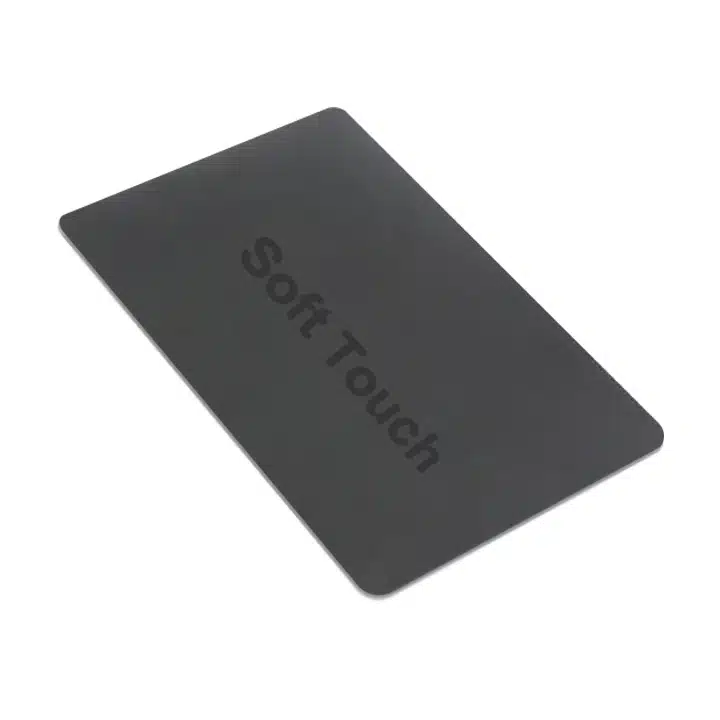
Soft Touch Lamination
Chosen for tactile positioning, not for gameplay.
Soft touch gives a controlled, almost suede-like feel. It is often used in Kickstarter premium decks or retail-focused custom card projects where first impression matters.
The limitation shows later. The surface is more sensitive to scratches and oil marks, and edge wear can appear faster if handling is frequent.
We use it when presentation is the priority. Not when long-term shuffle performance is the goal.

Linen Finish (Embossed Texture)
This is not just a texture — it directly affects card handling.
Linen adds a light embossed texture that changes how the cards touch each other. In actual use, the deck usually separates more easily and feels less sticky during shuffling, which is why linen is often chosen for handling, not just for surface protection.
Requires controlled embossing pressure and alignment. If the base stock is too soft or the coating is too heavy, the texture becomes less effective.
Common in black core playing cards and decks designed for repeated use.
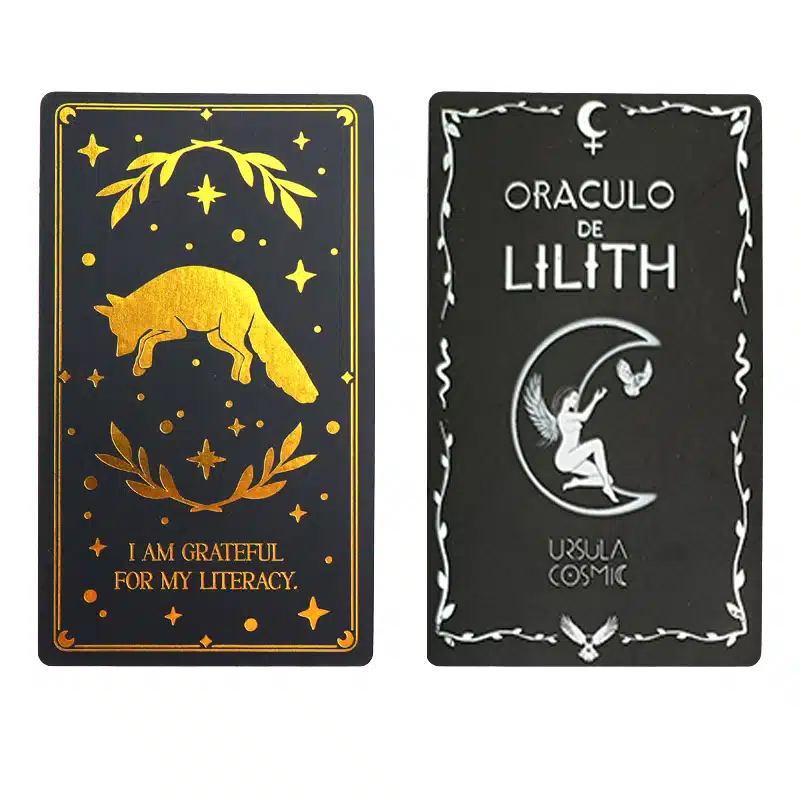
Special Surface Effects Foil Stamping (Gold / Silver)
Used for visual emphasis, not for surface performance.
While foil adds significant shelf appeal to logos, it’s a non-functional finish. It won’t enhance card longevity or shuffle performance. On a micro-level, the heat-stamped foil creates a slight height variance that may affect the uniform ‘slip’ of the deck during high-frequency handling.
Works for branding and collector appeal. Not relevant to core gameplay performance.
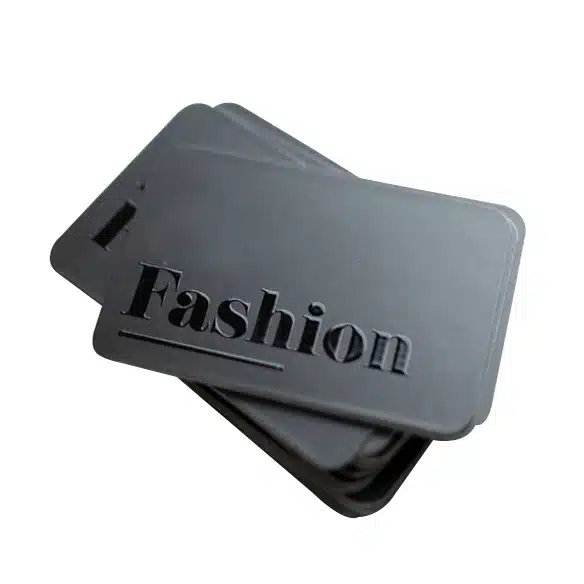
Spot UV
We use Spot UV to create a sharp, tactile lift against the matte base—perfect for making logos or card art catch the light without the glare of a full-gloss finish.
Used to highlight specific elements without changing the entire surface behavior. Like foil, it is a visual layer, not a structural one.
Overuse can create uneven surface friction across the card face, which sometimes shows during stacking or sliding.

Practical Starting Point
If finishing is still open, we usually start from usage, not appearance:
–frequent shuffle + gameplay priority → linen + varnish
–moderate use + balanced durability → matte lamination
–high protection requirement → gloss lamination
–retail / visual-first decks → soft touch + optional foil
If a deck is expected to be shuffled heavily, choosing finishing based on appearance alone will fail early.
If the project requires both high durability and soft tactile feel, the trade-off becomes unavoidable — one of them will give.
Custom Card Layout & Artwork Setup
Artwork setup in custom playing cards is not only a design step. It defines how tolerant the deck is in production — especially in cutting alignment, border consistency, and front-to-back registration.
In custom card printing, many issues that appear as “printing defects” are actually artwork decisions made too early, before production constraints are considered.
Artwork Decision Logic
Printing decisions usually go wrong when the method is chosen after artwork is already Artwork problems usually start at layout, not at printing.
Designers often finalize visuals first and only check production limits later. That order rarely holds in real production.
The more reliable sequence is:
–first confirm whether the deck uses repeated backs or multiple backs
–then define card face structure (identical / mixed / fully unique)
–then check border sensitivity and safe zone tolerance
–only after that, lock final artwork layout
If this order is reversed, the deck may pass sampling but start showing misalignment, uneven borders, or visual drift in mass production.

Card Back Structure
Most custom playing cards use one repeated back. Not for design simplicity, but for collation stability and production consistency.
Multiple back designs are workable, but only when gameplay requires them. Otherwise, they introduce unnecessary sorting risk during packing and increase error exposure in large runs.
If back alignment is critical (for example, directional designs or framed layouts), even small cutting shifts become visible faster than expected.

Card Face Layout
The main decision is not style, but tolerance. Full-bleed layouts are more forgiving in production. Minor cutting variation is less visible.
Bordered layouts — especially with thin frames — are less tolerant. Once borders go below a certain width, even normal ±0.5 mm cutting tolerance becomes visible. This is where many “inconsistent cards” complaints come from.
Centered icons or tight framing near edges behave similarly. They look controlled in artwork, but become sensitive once die-cutting is applied.

Variable Artwork Control
There is a difference between:
–identical faces
–mixed faces (limited variations)
–fully unique decks (every card different)
Fully unique decks are common in custom game cards, but they require tighter file control and proofing discipline.
The usual issue is not printing quality, but sequencing. If file naming, sorting logic, or proof validation is loose, errors appear during collation — not during printing. This part is rarely visible in the first sample.

Bleed, Safe Zone & Registration
Artwork should not be built to the final visible edge. We normally require:
–3 mm bleed beyond the cut line
–safe zone inside the trim to protect key elements
Cutting tolerance is typically around ±0.5 mm depending on layout and tooling condition. That is within normal production range, but becomes a problem when artwork relies on edge-critical alignment.
Front-to-back registration is another constraint. If both sides depend on precise positional matching, the layout becomes less tolerant. In practice, perfect alignment across both sides is controlled, but not absolute.

Practical Warning
If your design relies on thin borders, exact centering, or front-to-back positional matching, the artwork becomes less forgiving than the printing process itself.
This is where most production issues start — not because the factory cannot print accurately, but because the layout leaves no tolerance for normal manufacturing variation.
Customization Process
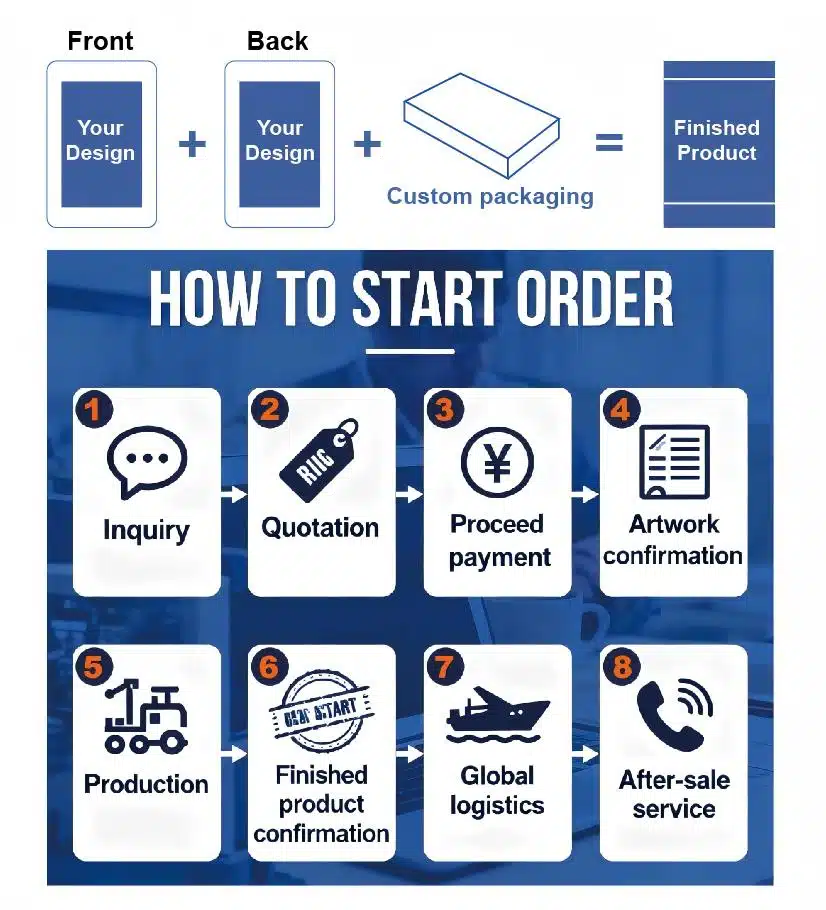
Phase 1: Consultation & Planning
Phase 2: Design & Confirmation
Phase 3: Production & Quality Inspection
Phase 4: Delivery & After-Sales Service
Accessories
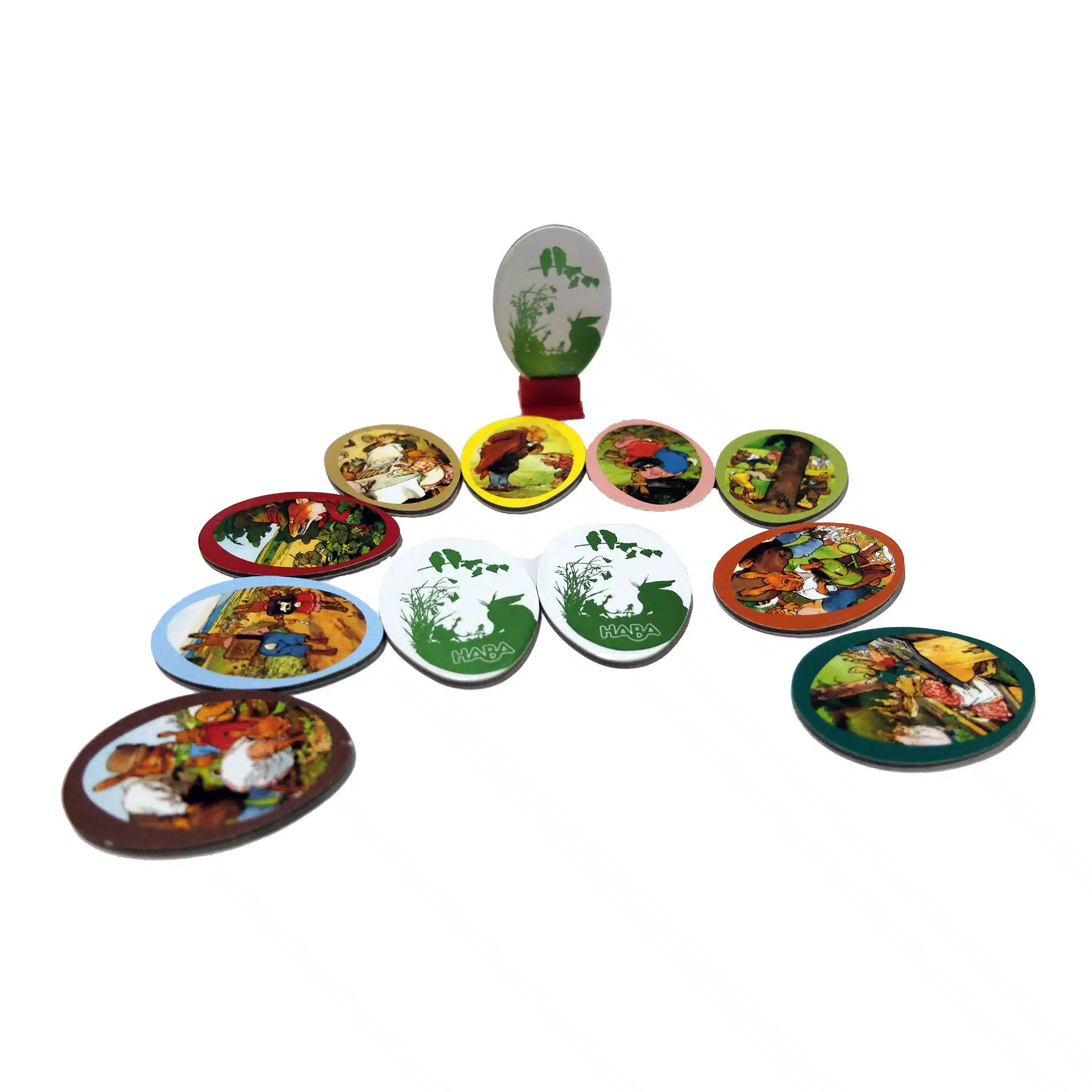
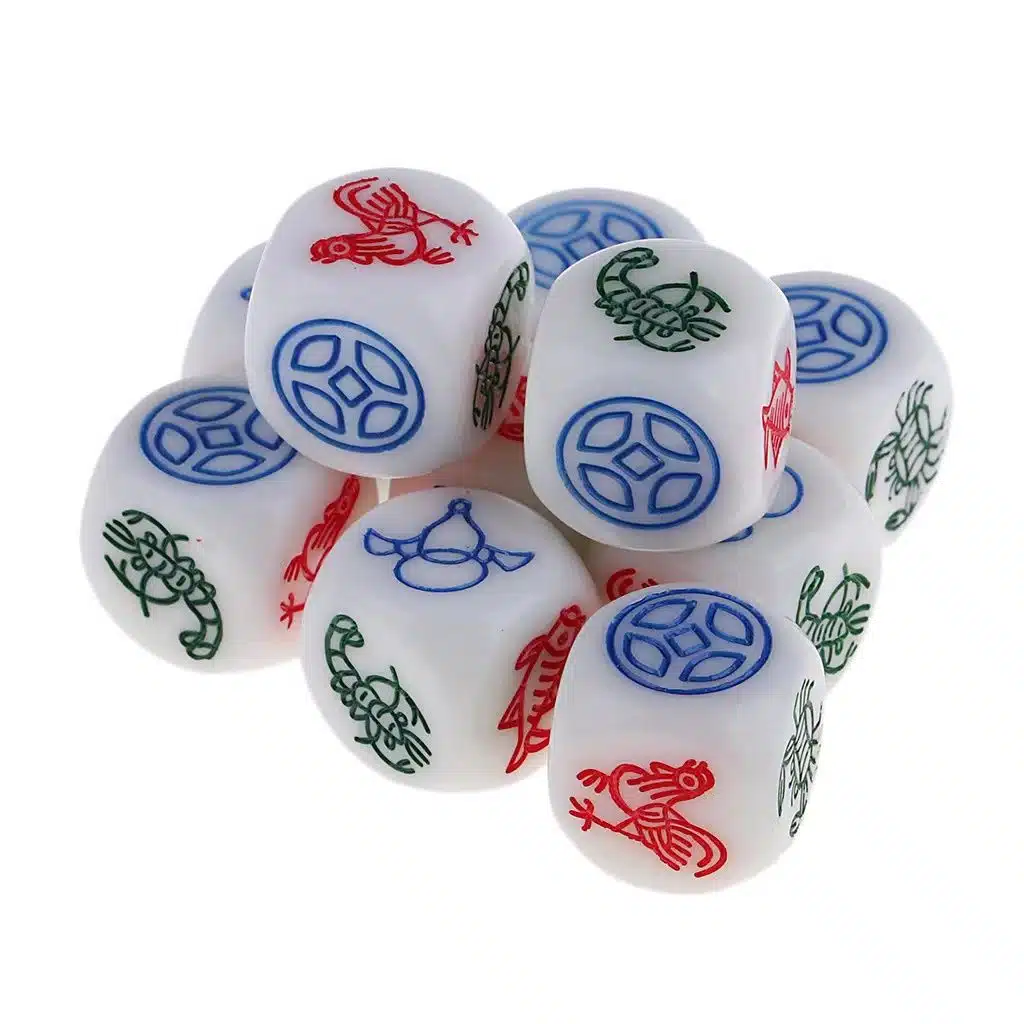
Elevate your cards with our selection of fun and playful accessories. These add-ons are the perfect way to enhance the user experience and create a memorable product. Funway offers a range of standard options, and we also love bringing custom ideas to life.
See other card types
Card size
- Game cards
- Bridge size playing cards
- Poker size playing cards
- Big playing cards
- Tarot cards
- Mini size playing cards
- Giant size playing cards
- 100% plastic cards
- Transparent cards
- Pinochle playing cards
- Trump cards
- See more…
Custom type
- Custom back
- Custom face and back
- Custom blank cards
- Custom back (text only)
- Complete custom requirements?
Card type
- Wedding playing cards
- Monogrammed cards
- Lenticular cards
- Braille playing cards
- TCG token/cards
- Sports cards
Accessories
- Card box & packaging
- Blank card decks
- Brick boxes
- Uncut sheets
- Sticker seals
- Booklets
- Tarot cloth
- Chips
- Card sleeves
- Card clips
- Sample pack

1,638+
Commercial Projects
who we are
Your ultimate board game manufacturer
Dongguan Funway has been the trusted ODM/OEM expert for brands seeking top-quality custom board games, card games, puzzles, and packaging solutions. We bring creativity to life through integrated one-stop services
Our factory is equipped with over 16,000+ sqm dedicated facility and 200+ skilled team members. We have a ready mold here to meet your specific needs.
Call US
+86 135 7085 3827