Custom Board Game Box
for Board Games & Tabletop Games
If you want to choose right game box, first you need know your component list clearly. How many cards, how thick the board is, any miniatures or tokens — these will decide which box style is suitable.
We make custom game box in many styles: rigid box, tuck-end box, magnetic closure box, drawer style box, tin box. Every style we will check your actual components inside first, then decide the best solution.
Good-looking render picture cannot tell you real problem. For example, lid too tight will have vacuum effect, hard to open. If the box wall too thin, when you put heavy board and miniatures inside, wall may buckle. If insert design not good, components will rattle during shipping, arrive damaged.
At FUNWAY, before production we always do real test. We stack your components same way as final product, check shipping drop test, also test open-close many times to see if durable. We make sure the box not only look good, but also practical for real use. We have 15+ years experience in game box manufacturing, any question welcome to contact us.
Specification | Options |
|---|---|
Box Styles | Two-piece telescope, tuck-end, hang tab, magnetic flip-top, drawer/slide, tin/metal |
Materials | High-density greyboard (1.5mm–3.0mm), tinplate, art paper wrap |
Interior Finish | Raw greyboard, white lining, full-color custom print |
Exterior Finish | Glossy/matte varnish, glossy/matte lamination, soft-touch, spot UV, foil stamping, embossing |
MOQ | 1 piece (prototype) / 500+ pieces (bulk) |
Standard Sizes | Custom; common: 250×250×50mm, 300×300×70mm, 280×200×60mm |
Insert Options | Custom foam, cardboard tray, vacuum-formed plastic, paperboard insert |
Turnaround | Prototype: 5–7 days / Bulk: 15–25 days |
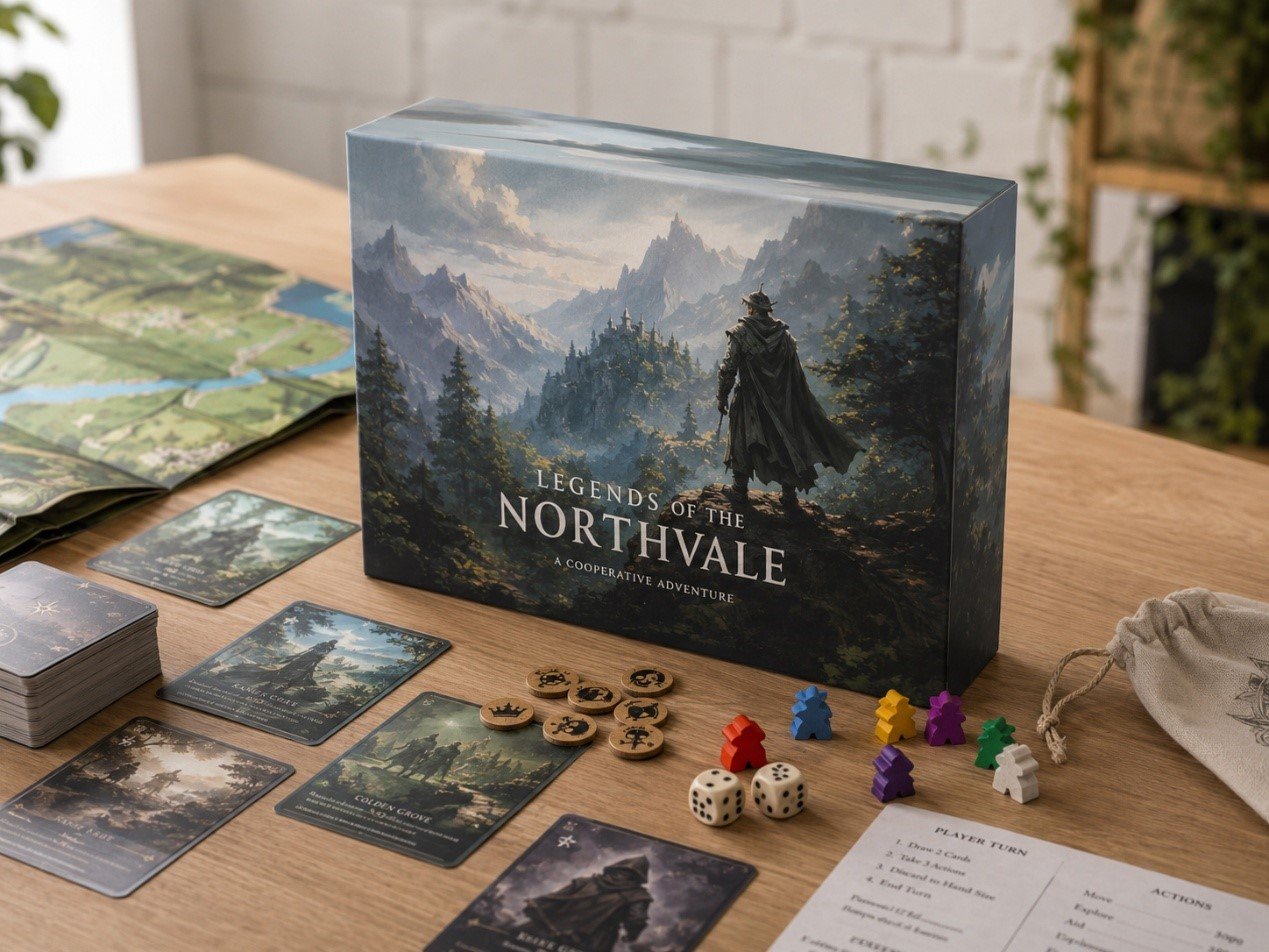
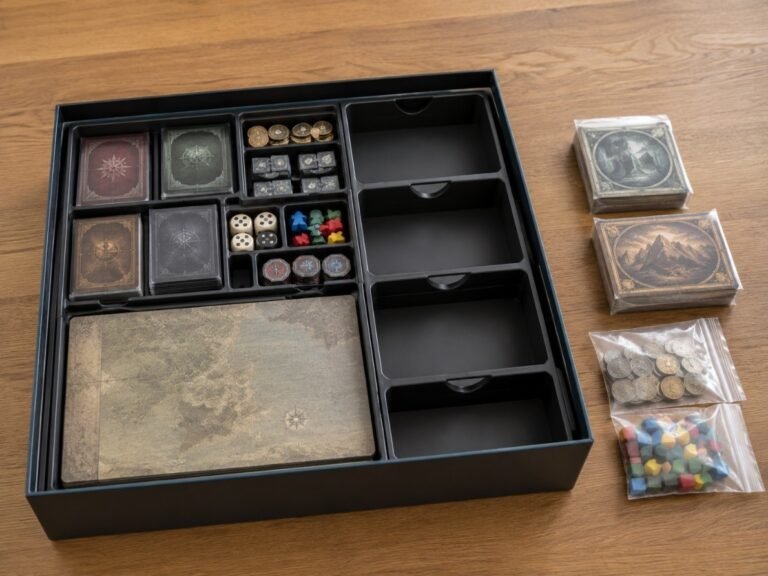
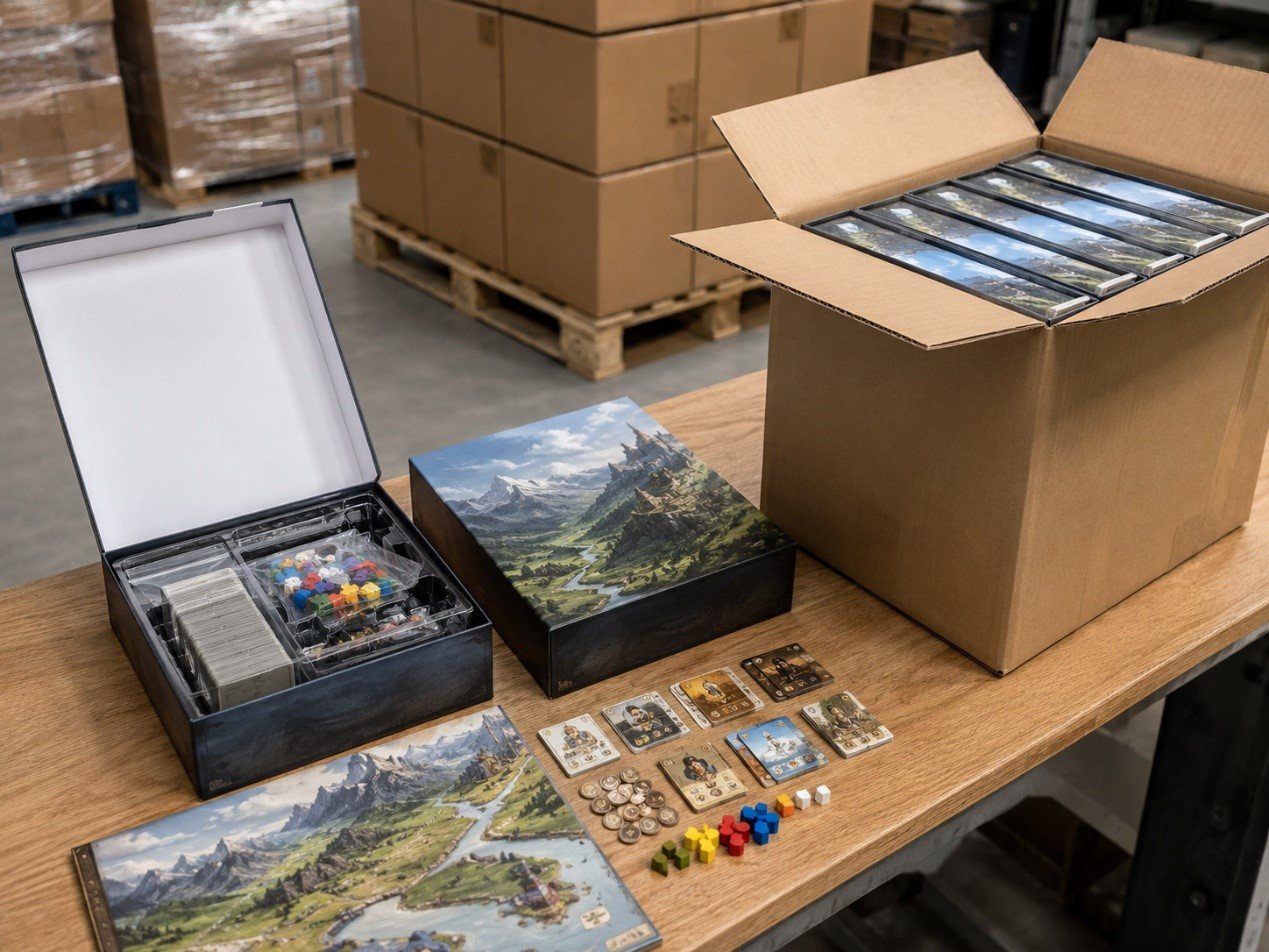
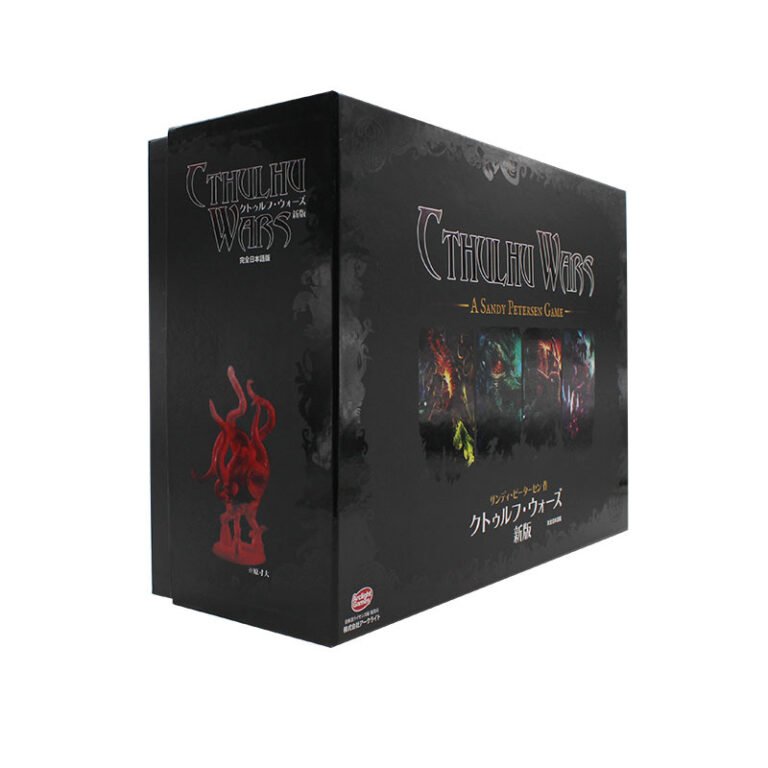
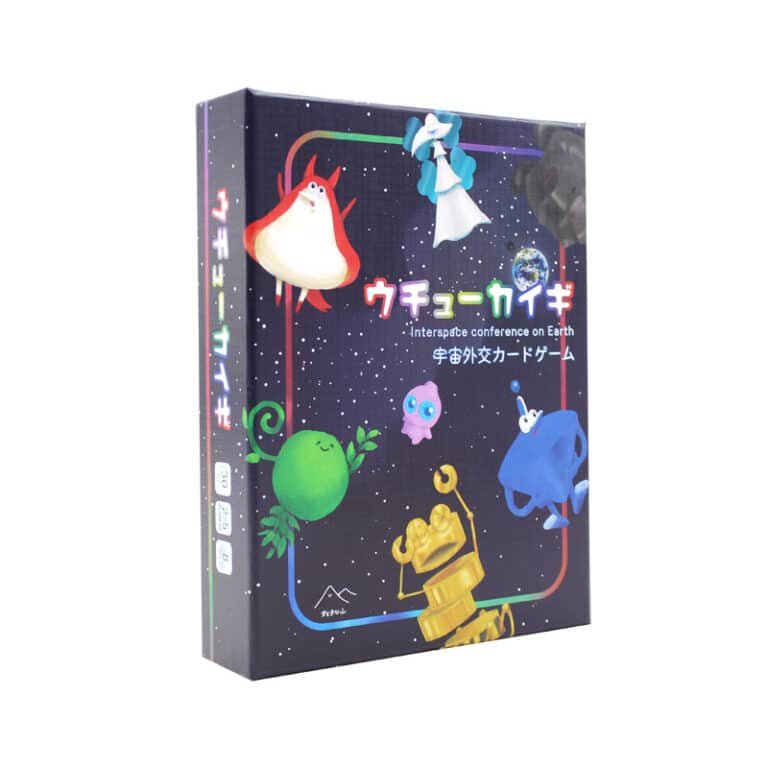
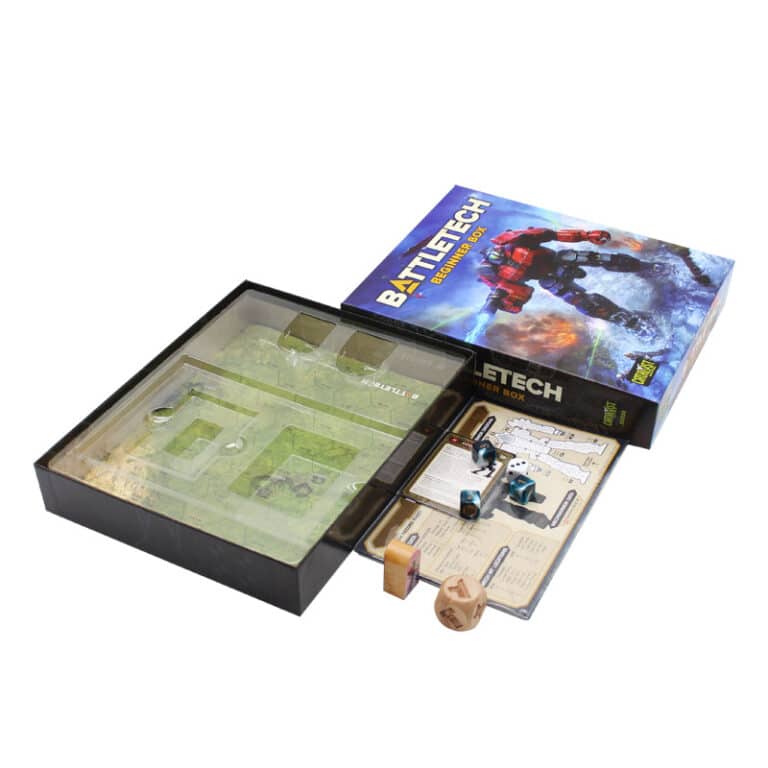
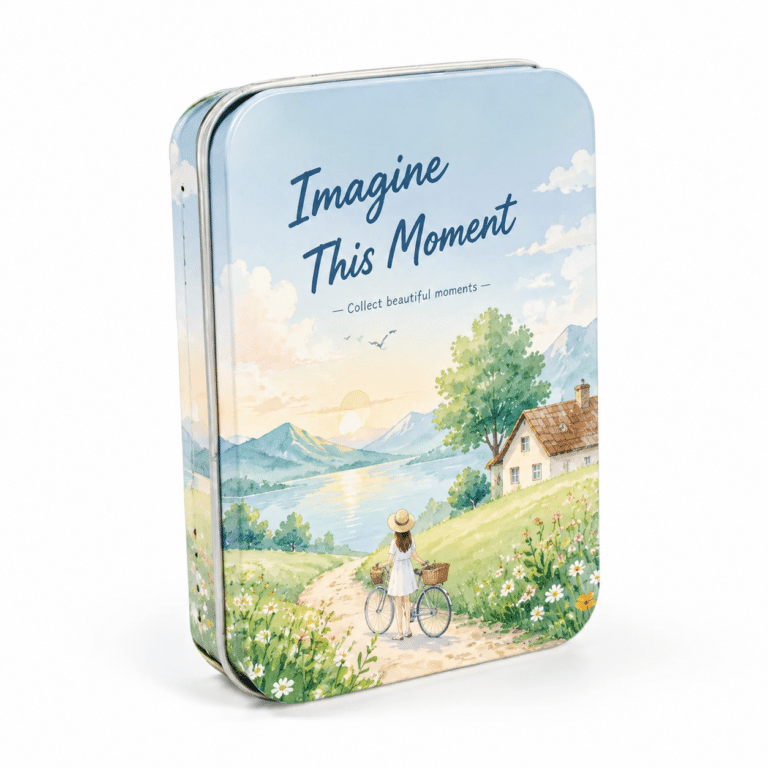
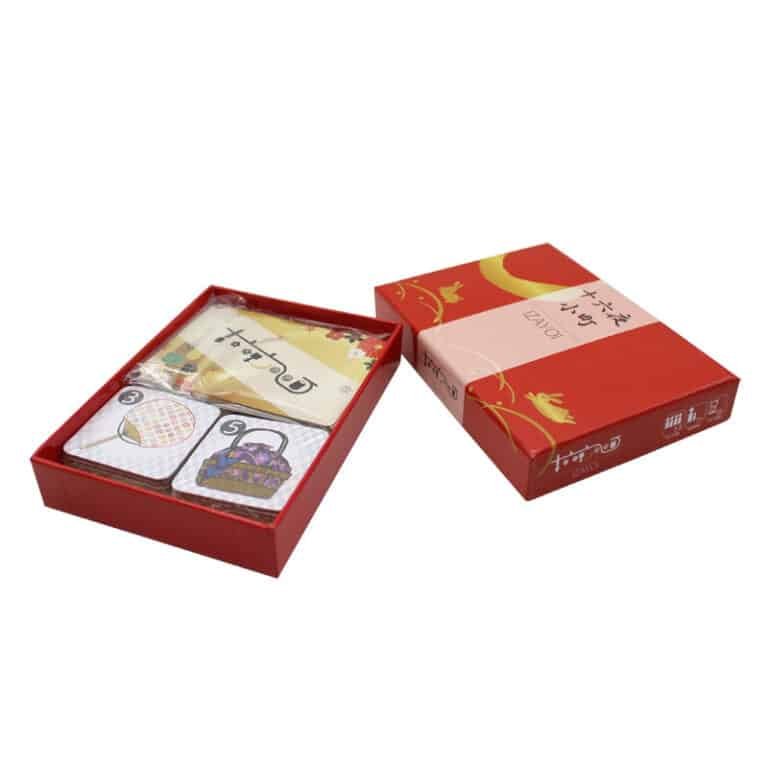
We Provide All options for Custom Board Game Box
Industry-Standard Box Styles
Box style should be decided after the component list is finalized. A game with boards, minis, and punchboards requires very different packaging than a simple card deck. A sleek render won’t reveal issues like a vacuum-sealed lid or weak walls. If the dimensions are off, components will either be crushed or shift around inside, making the game feel low quality.

Two-Piece Telescope Boxes (Lid-and-Base Boxes) for Board Games
Two-piece telescope boxes, or lid-and-base boxes, are the standard for many full-size board games. They’re typically used for games with boards, cards, rulebooks, punchboards, miniatures, or custom inserts, offering enough depth and solid structure for storage and transport.
The key factor is lid fit. Too tight, and the box is hard to open, often damaging the corners. Too loose, and it feels cheap, with components shifting during shipping. The lid depth and friction fit are usually finalized after confirming insert height and component stacking.
This structure provides a large area for box art and suits strategy games, legacy games, Kickstarter editions, and heavier retail games. For simple card-only games, it may be more than necessary.

Custom Tuck End & Hang Tab Boxes for Board Games & Card Games
Tuck end boxes are a practical choice for card games, small expansions, travel games, and light component sets. They use less material, pack efficiently, and are more cost-effective than rigid boxes.
The weak point is the flap and crease. If the board is too light or poorly creased, the tuck area wears out with repeated use. For card-heavy products, deck height must be checked carefully, as even a few extra cards can make the box too tight.
Hang tab boxes are useful for retail display on peg hooks. If the product is mainly shelved or shipped directly, the hang tab adds little value and can make the box unnecessarily tall.
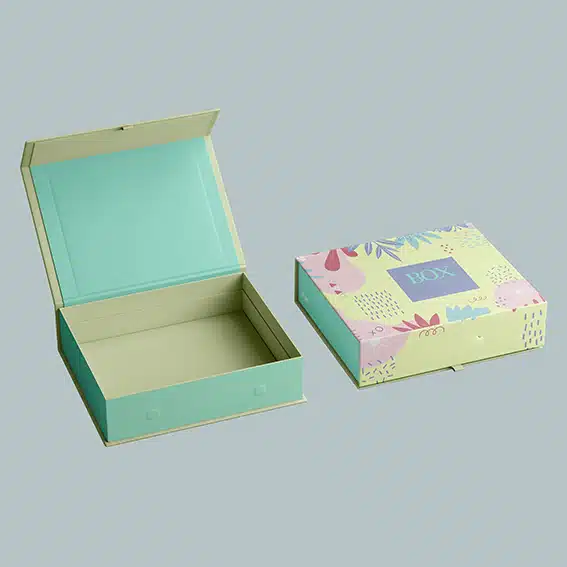
Magnetic Flip-Top Boxes for Board Games & Collector’s Editions
Magnetic flip-top boxes are used when the packaging is part of the product experience, such as collector editions, deluxe Kickstarter tiers, premium card sets, and gift-style games. They cost more, but create a stronger first impression.
The closure needs careful tuning. Weak magnets feel insecure, while overly strong magnets or tight fits make the box hard to open and can stress the wrap. A clean finish depends on proper magnet placement, flap alignment, and wrap tension.
This style works best when packaging adds value. For cost-driven or lightweight card games, it’s often more than necessary.

Drawer (Slide) Boxes for Card Games & Premium Decks
Drawer boxes use an inner tray and outer sleeve, often for premium card decks, tarot decks, minimalist indie games, and small component sets where the slide-out experience matters.
The main challenge is slide fit. Too tight, and the tray jams; too loose, and it slides out on its own. Dielines alone aren’t reliable, as lamination and humidity affect paper thickness, so physical sample testing is essential.
They work best for clean, deck-based products. For games with many loose parts, thick rulebooks, or mixed components, a lid-and-base box is usually more practical.
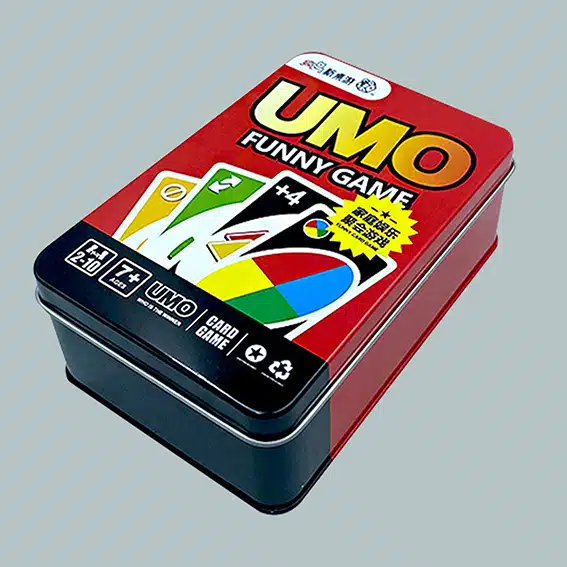
Tin Boxes (Metal Packaging) for special edition board games
Tin boxes are often used for travel games, premium card games, dice sets, collector items, and special editions that need a more durable, reusable package. They resist compression better than paperboard and offer a distinct retail feel.
They are less flexible than paper boxes and must be fixed early in the project. Size, shape, tooling, lid fit, and printing are hard to change later. While stronger, they are not damage-proof—thin metal can still dent, especially without proper outer packaging. Lid fit also needs real sample testing: too loose feels unstable, too tight makes opening difficult.
Tin boxes suit compact and collector-style products. For large boards or games with varied components, they are less practical unless the insert and packing plan are designed around the tin from the start.
Engineering & Material Excellence: Built for Durability and Precision
A box can pass sampling and still fail later. Real stress comes from packing, stacking, sea freight, handling, and repeated use. Weak greyboard, loose corners, or lid fit shifts after wrapping may seem minor at first but show quickly after transport.
We evaluate material alongside box size, component weight, insert design, and shipping route. A small card game doesn’t need the same board strength as a heavy game with boards, cards, punchboards, and miniatures.
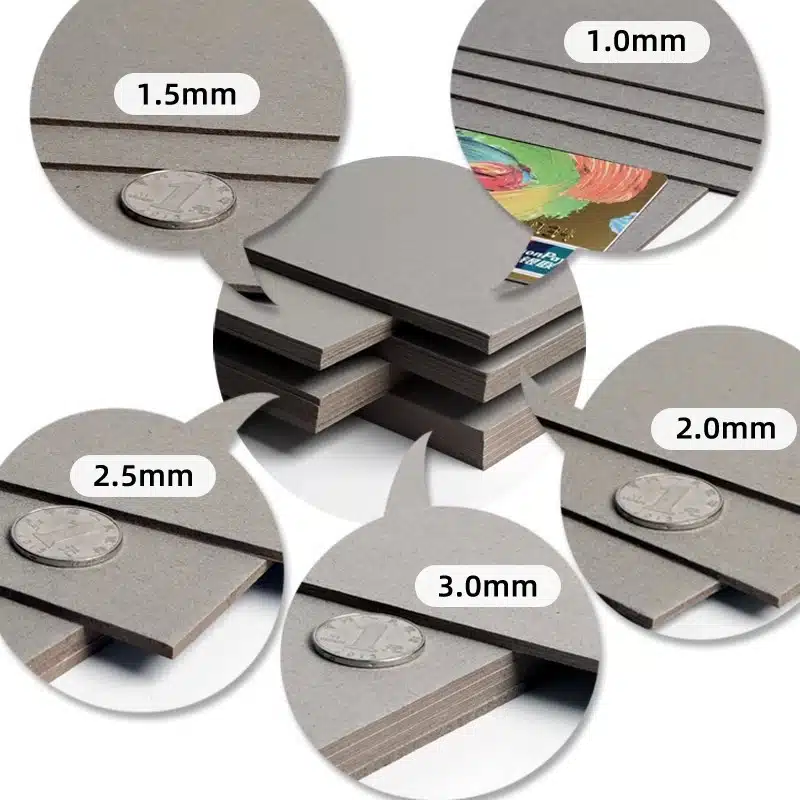
Reinforced High-Density Greyboard Core
Rigid boxes use greyboard, but thickness isn’t “the thicker the better.” Small boxes may use ~1.5 mm, most use 2.0–2.5 mm, and 3.0 mm is for large/heavy or premium sets.
Thickness must match contents: too thin = weak corners and deformation after shipping; too thick = higher cost, heavier weight, and harder lid fit control.
Warp Resistance: Rigid boxes may bow if material, tension, or moisture isn’t balanced, especially in large formats and long-distance shipping with humidity changes.
Corner Strength: Corners are the first weak point; poor greyboard or loose wrapping leads to crushing or edge lift after transport.
Thickness is not for “premium feel” alone, but based on size, weight, packing method, and required protection.
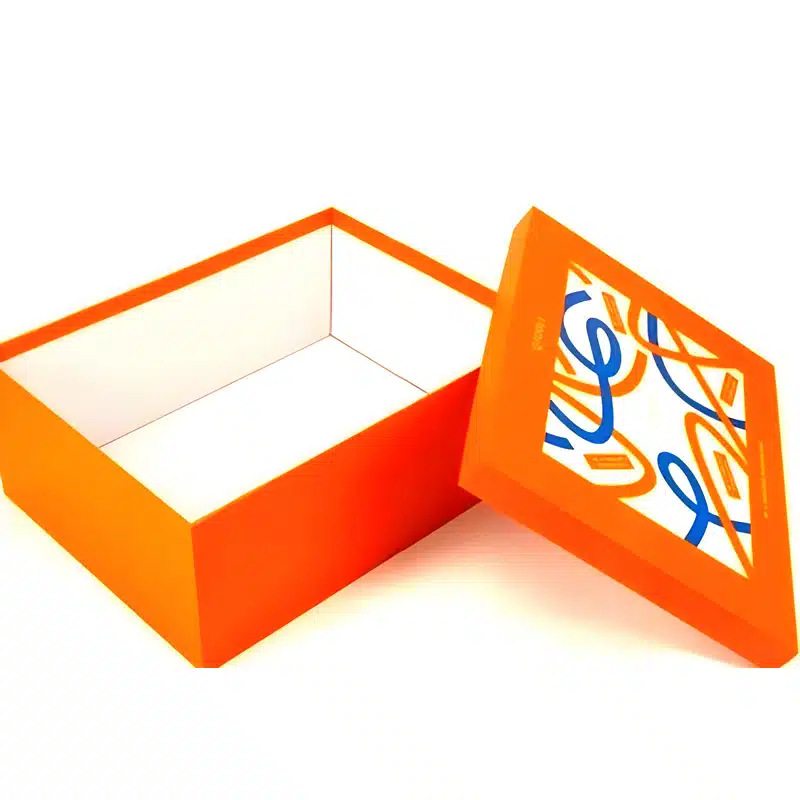
Interior Lining & Inside Finish
Box interior should be defined early. Raw greyboard saves cost but feels unfinished and may shed dust or rough edges. For retail games, a clean lining is usually recommended for frequent use.
White-Lined Interiors: White lining improves cleanliness and prevents components from touching raw greyboard, offering a simple, more polished retail finish.
Custom Printed Interiors: Used when the box interior is part of the experience, especially for Kickstarter or deluxe editions. It adds impact for premium, story-driven games. If it’s only for decoration, it’s usually kept as an optional upgrade.
In most cases, the right choice is the one that matches product value, positioning, and budget, not the most expensive finish.
Finishes for Shelf Presence
Box finish is decided in two steps. First is the base coating for feel and ink protection. Then optional effects like Spot UV, foil, or embossing are added only if needed.
Overusing effects makes the box look cluttered and increases cost, setup time, and risk of misalignment. Base finish should stay simple, with enhancements used only where they add real focus.
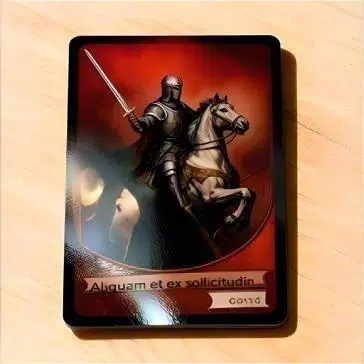
Glossy Varnish
Glossy varnish adds light shine and basic protection, making colors brighter but offering less durability than lamination. It’s used for lower-cost glossy finishes.
It fits colorful retail boxes, kids’ games, and light card games. Wear appears faster on edges and corners. For heavier or premium games, lamination is usually preferred.
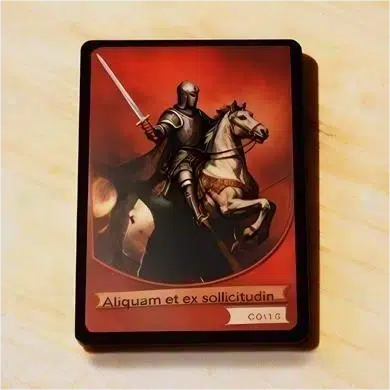
Matte Varnish
Matte varnish reduces shine and keeps a natural paper feel, offering a cleaner, low-reflective finish compared to glossy varnish.
It provides lighter protection than lamination, so wear on edges and corners may appear sooner. It suits lighter boxes, tighter budgets, and products that don’t need heavy surface protection.
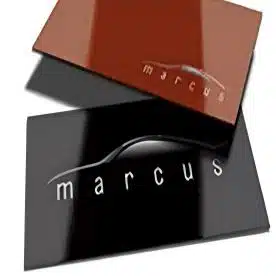
Glossy Lamination
Glossy lamination is a clear film that enhances color, contrast, and durability, giving boxes a brighter, more eye-catching finish.
Downsides are glare and fingerprints, especially on dark or text-heavy designs. It works best when visual impact is the priority; otherwise, matte is usually cleaner and more readable.

Matte Lamination
Matte lamination is a common default finish for board game boxes, offering solid protection with low reflection.
It works well for dark, detailed, or strategy-style artwork and reduces visibility of fingerprints and light wear. Corners can still wear over time, but it balances durability and a clean, non-glossy look.
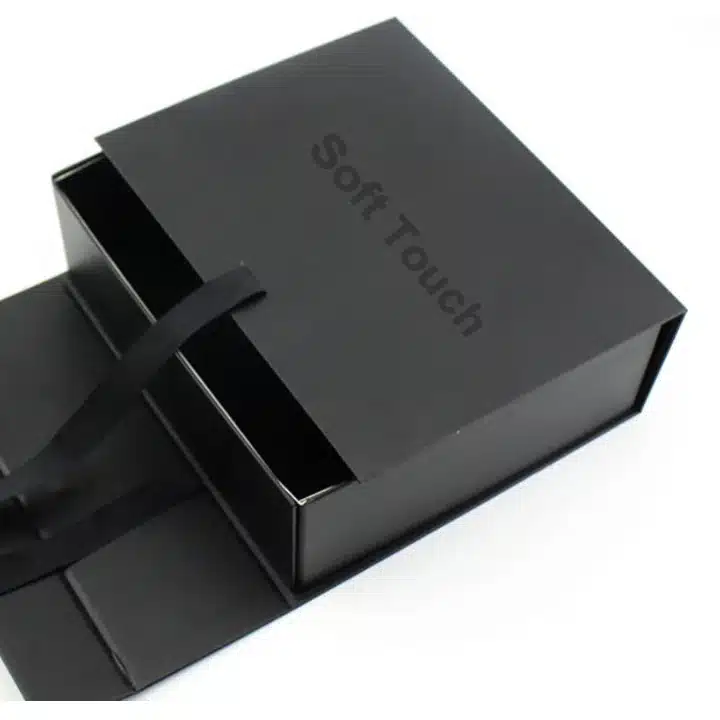
Soft Touch Lamination
Soft touch lamination offers a smooth, velvety premium feel, often used on deluxe or collector editions.
It is less resistant to fingerprints, scratches, and edge wear than matte, so it suits low-handling, high-end products. Matte is more practical for everyday use or tighter budgets.
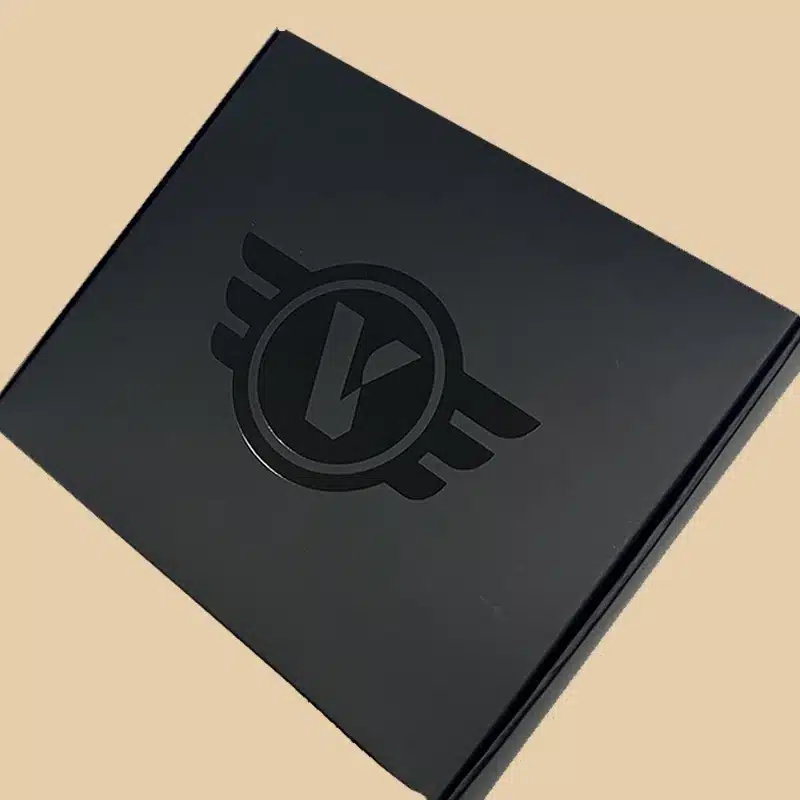
Spot UV Coating
Spot UV is applied after the main finish, usually on matte or soft touch, to highlight logos, titles, or key details with contrast.
Overuse makes the design look busy and increases registration risk, especially on text or fine lines. It works best when limited to small, focused areas.
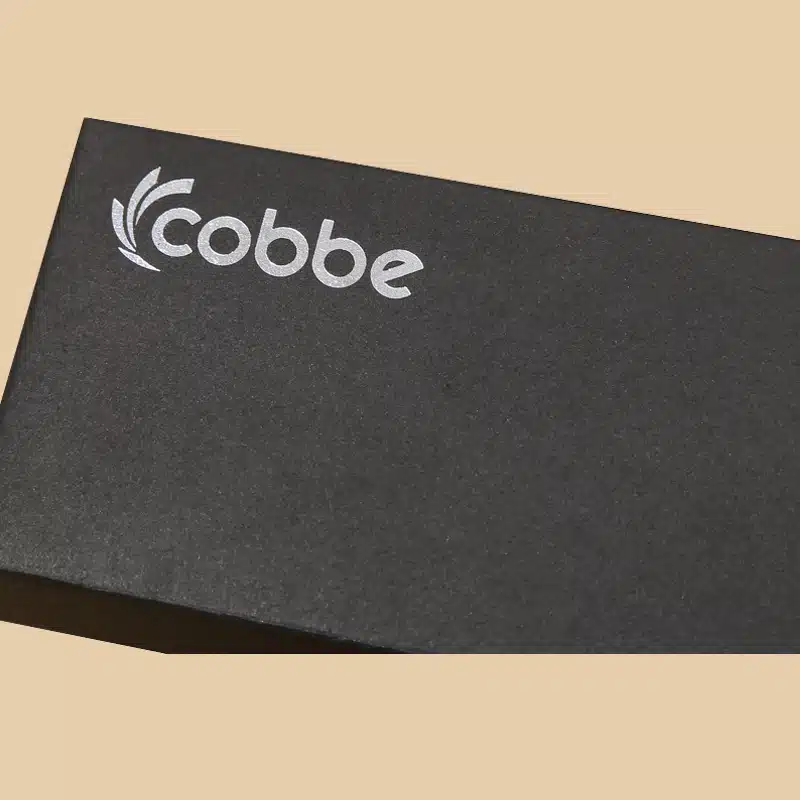
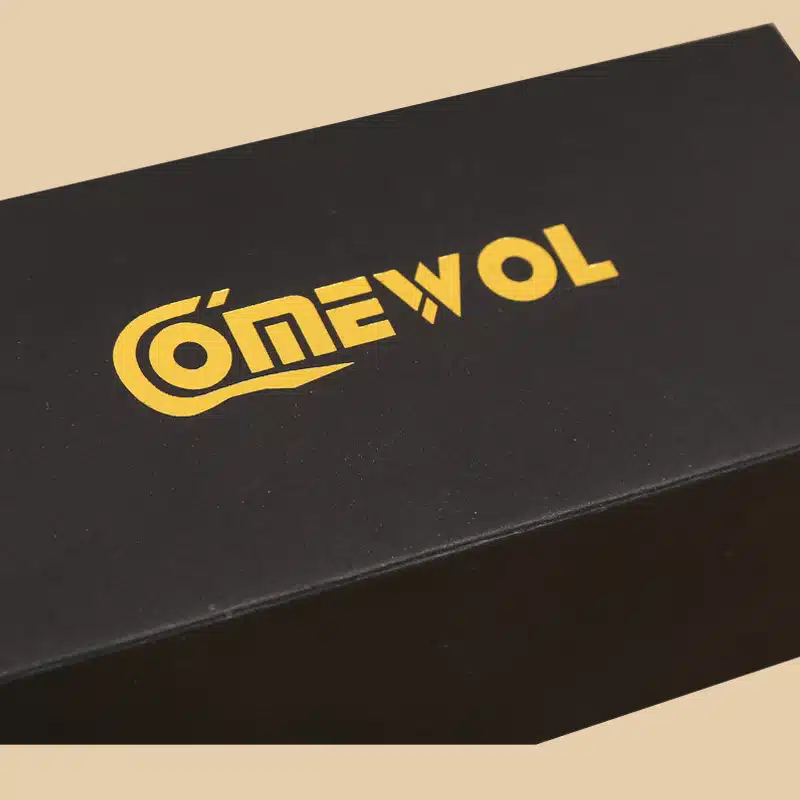
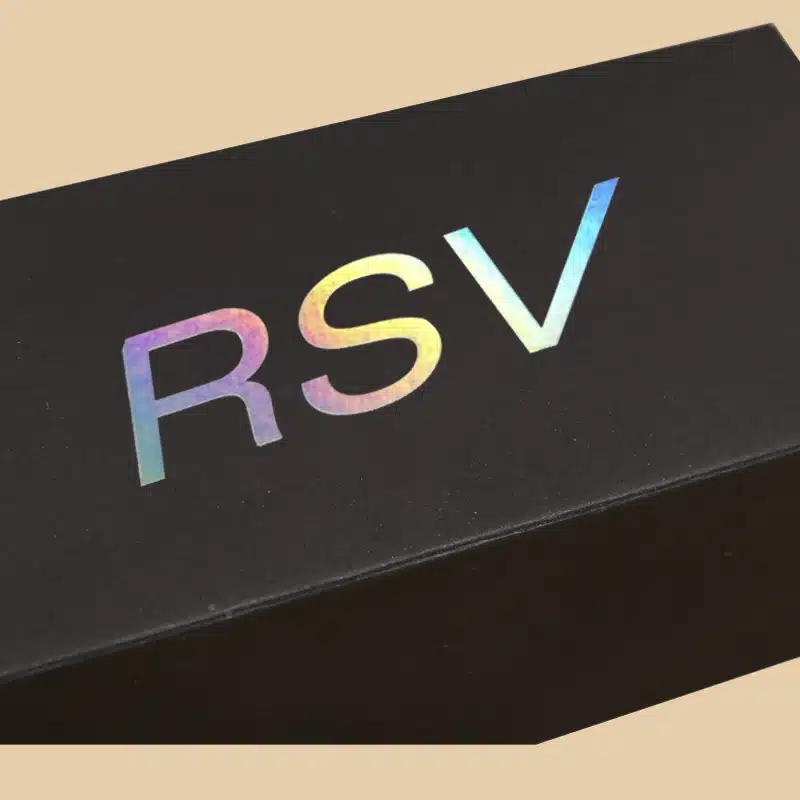
Foil Stamping / Hot Foil Stamping
Foil is usually limited to logos, titles, or key details to make them stand out without overloading the design.
Large foil areas are harder to control and may reduce print quality, especially on fine lines or small text. It works best as a focused accent rather than full-surface decoration.

Embossing
Box finish is set in two steps: first the base finish (varnish or lamination) for feel and protection, then optional effects like Spot UV, foil, embossing, or debossing for emphasis.
Artwork must match the process. Fine text and thin lines don’t emboss cleanly and can lose clarity. Embossing works best on bold, simple elements and is mainly suited for collector-style boxes where tactile detail is important.
Debossing
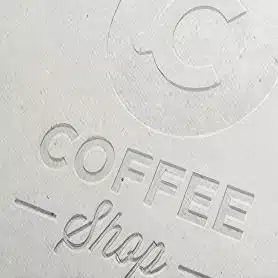
Debossing presses the design into the surface for a subtle, clean tactile effect, often used on logos, symbols, or minimal artwork.
It requires careful control of depth and area; large or poorly placed debossing can cause surface stress or uneven wrap. It works best with simple designs and should be planned early with material and structure.
Game Inserts: Engineered for Fit, Protection, and Longevity
Don’t finalize box size until all components are confirmed. Last-minute inserts often fail, causing crushed rulebooks or poor lid fit.
We design inserts alongside box size, component height, packing order, and shipping method. A good insert must secure parts in transit and still be easy to use at the table.

Paperboard Insert
Paperboard inserts are a practical, low-cost option for standard board games. They are lightweight, easy to adjust, and suitable for cards, tokens, dice, and simple layouts.
They are less suited for heavy or irregular components, as they lack the strength and precision of molded or foam inserts. Best used for simple organization rather than high-security locking.
Blister Insert (Vacuum Formed Tray)
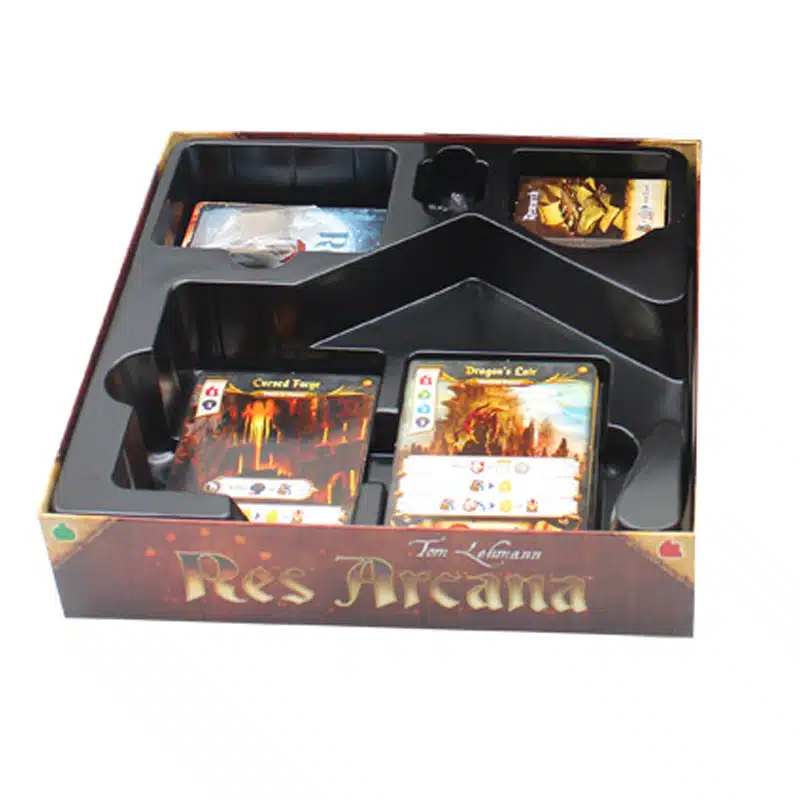
Blister trays are used for miniatures, dice, tokens, or multiple decks that need fixed positions and a clean open-box layout.
Cavity fit is critical: too tight makes removal difficult, too loose causes rattling. They require tooling, so they are best suited for higher quantities or higher-value products.
Paperboard Insert
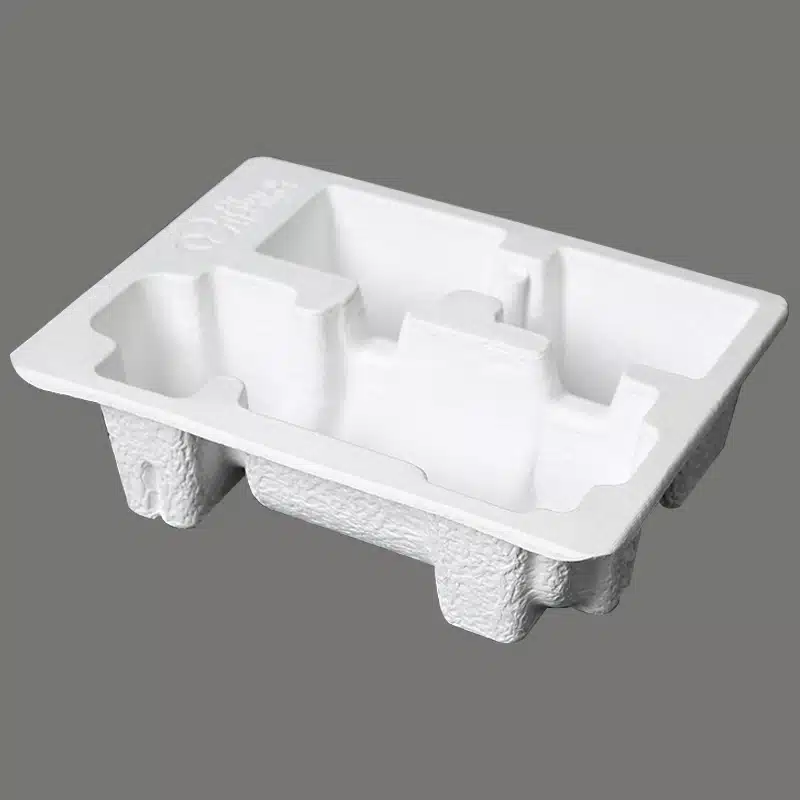
Paperboard inserts are a practical, low-cost option for standard board games. They are lightweight, easy to adjust, and suitable for cards, tokens, dice, and simple layouts.
They are less suited for heavy or irregular components, as they lack the strength and precision of molded or foam inserts. Best used for simple organization rather than high-security locking.
Foam Inserts (EVA or PE Foam)
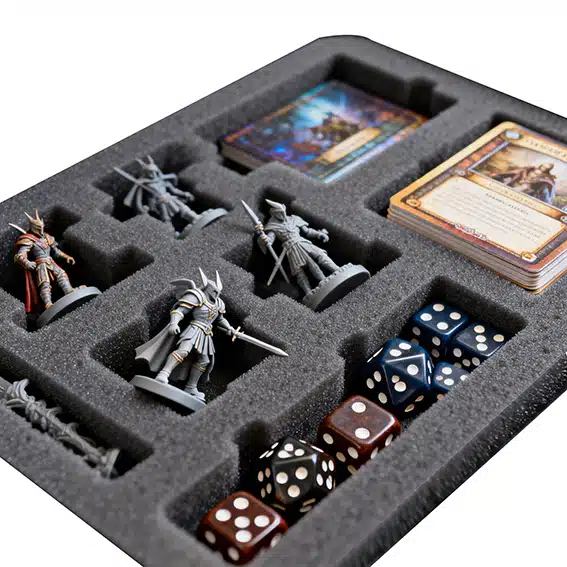
Foam inserts (CNC or laser cut EVA/PE) are used for maximum protection and tight component immobilization, especially for fragile or high-value parts.
They take more space and cost more than paperboard or molded pulp, but offer strong shock absorption and low abrasion. Best suited for premium editions or fragile components where protection is the priority.
Transparent Pricing
Custom Board Game Box Pricing Examples
See real-world pricing examples for popular board game styles. Every project is unique. these estimates help you plan your budget before requesting a detailed quote.

Standard Top-bottom Box
Practical rigid box for organized game storage and retail presentation
Component | Specification | Qty |
|---|---|---|
Game Box | 30×30×8cm | 1 pc |
Material | Greyboard + Art Paper Wrap | 6 |
Insert Type | EVA Foam Insert | 200 |
Surface Finish | Gloss Varnish | 50 |
Closure Type | Magnetic Closure | 3 |
Estimated Quote (1,000 units)
$4 – 9 / set
Lead time: 15-60 days
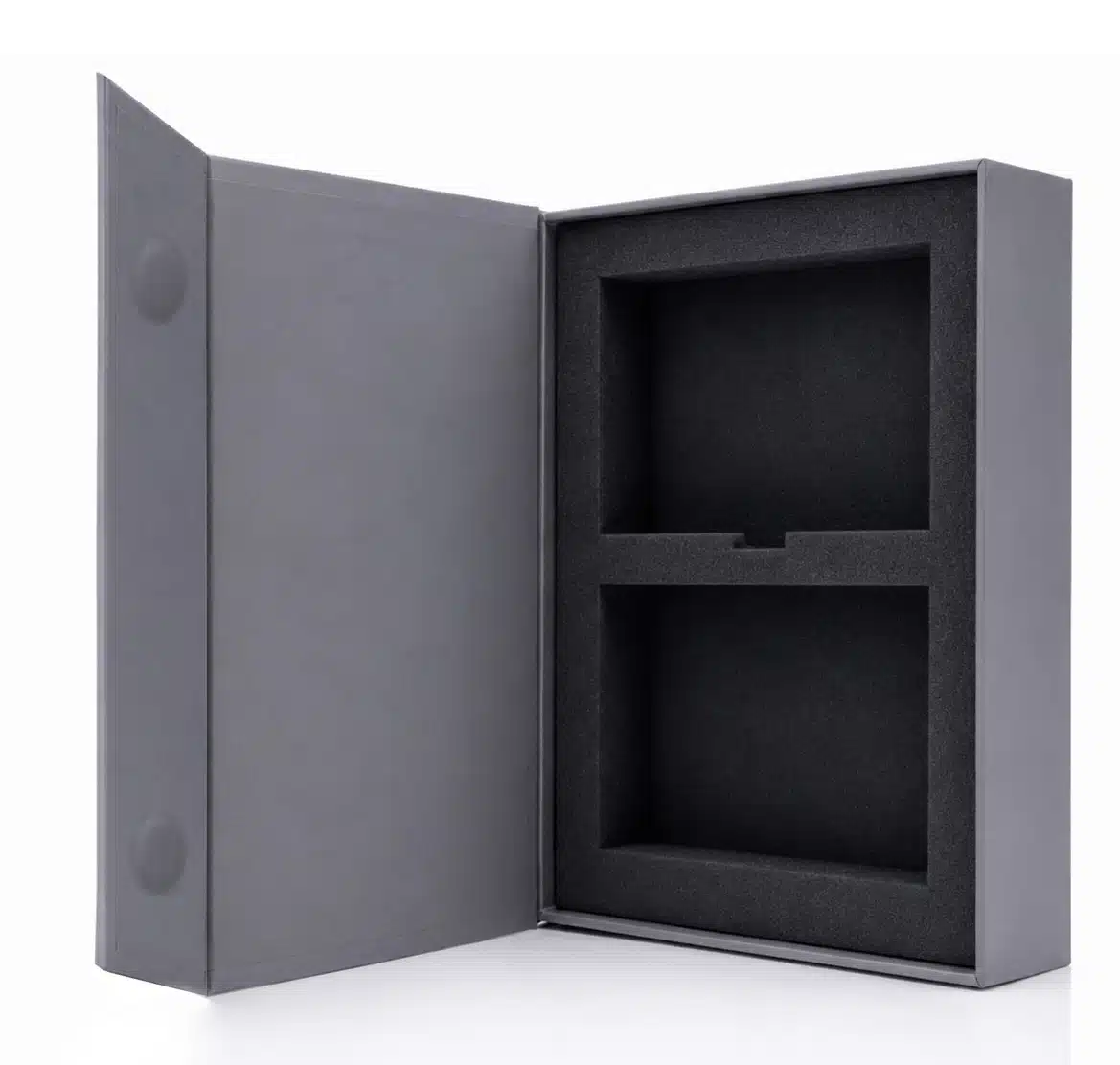
Magnetic Book-style Box
Premium magnetic closure box with elegant book-style opening
Component | Specification | Qty |
|---|---|---|
Game Box | 25×18×6cm | 1 pc |
Material | Rigid Greyboard | / |
Insert Type | Sponge Insert | / |
Surface Finish | Matte Lamination | / |
Accessories | Magnetic Clasp (2 pairs) | 2 |
Estimated Quote (1,000 units)
$4.5 – 11 / set
Lead time: 15-60 days
Understand Your Costs
Deep-dive guides to help you budget, plan, and avoid surprises.
Individual Component Pricing
Need a quote for just one component? Check individual pricing for each sub-service.
Ready to Get Your Exact Quote?
These are estimates. Your game is unique. Send us your specs and we’ll return a detailed, itemized quote within 24 hours.
Complete Custom Board Game Components
A board game is a system of interconnected components. At FUNWAY, we manufacture every element — from the board and box down to the smallest token — as one integrated production, not separate parts. Here are all the customizable components that go into a complete board game. And of course, you can choose to customize the whole or just a part of it.
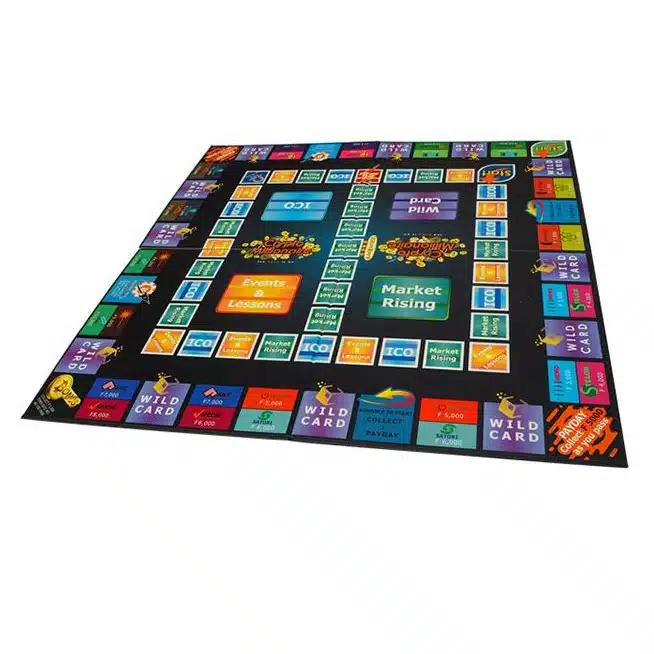
| Folded or rigid boards up to 600×900mm with hinge alignment and surface finishing | |

| Telescope, rigid, and magnetic boxes engineered for fit and stacking strength | |
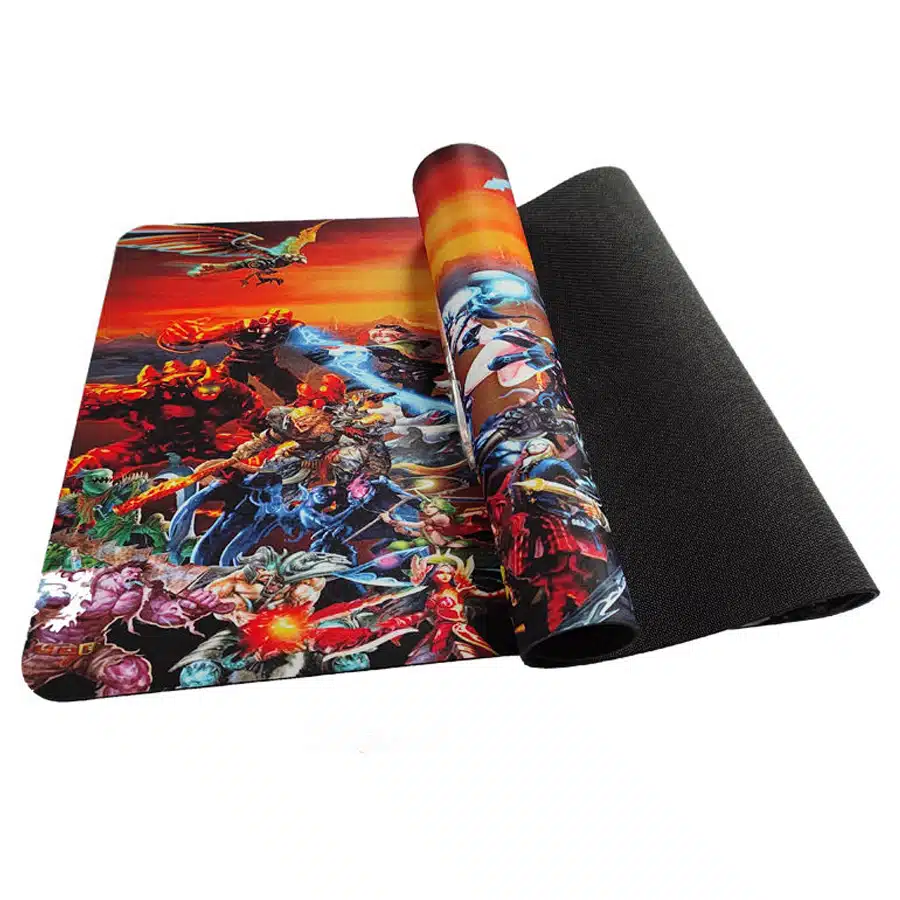
| Neoprene play surfaces and foldable player screens | |
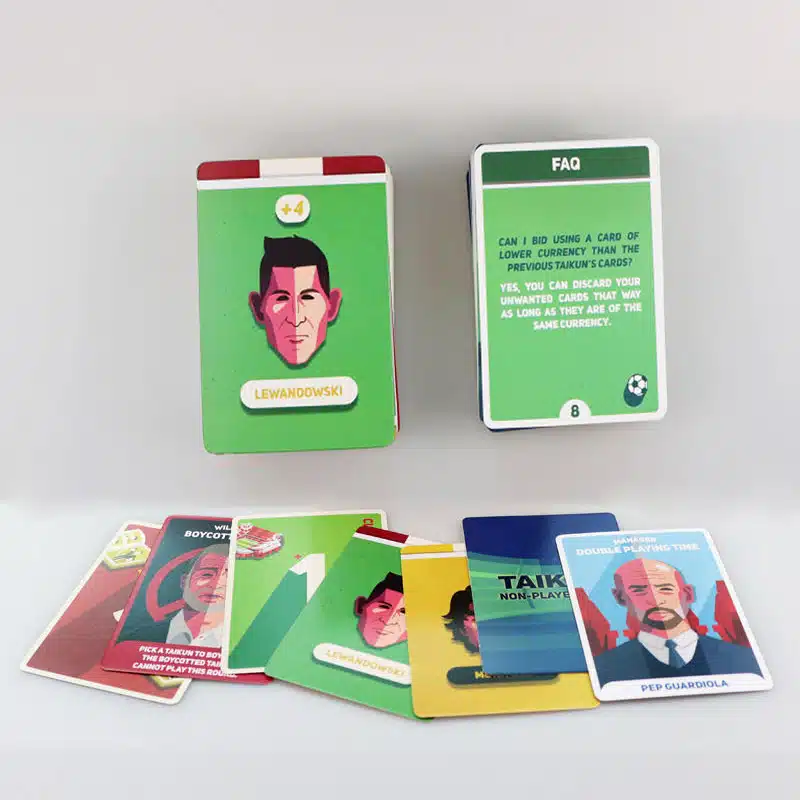
| Cardstock selection, clean cutting, and coatings for stable shuffling | |
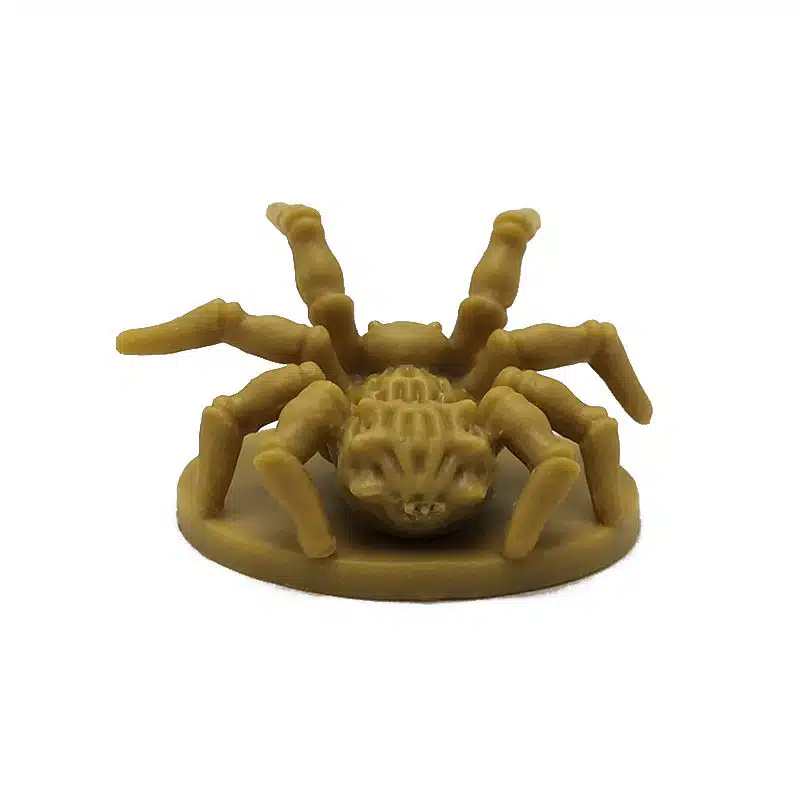
| PVC and resin figures with mold review and scale consistency control | |
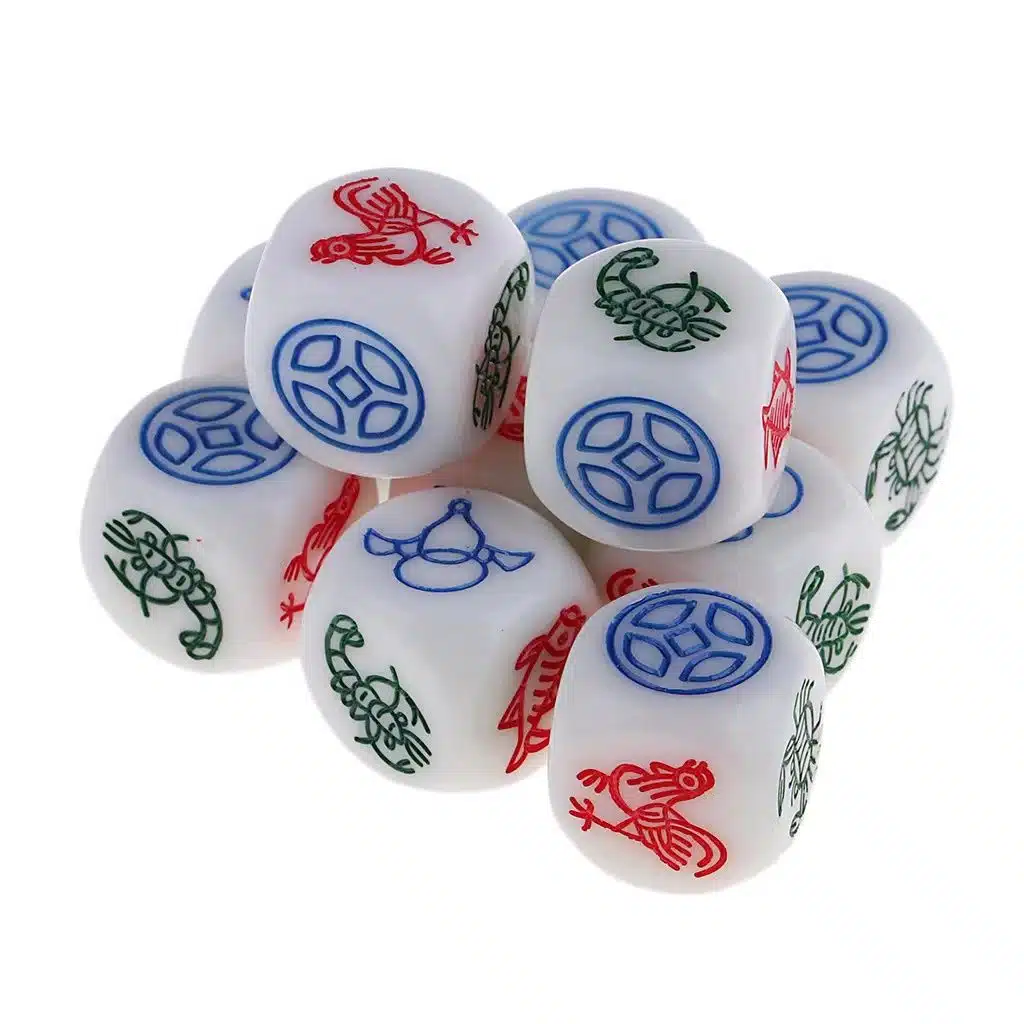
| Precision dice in multiple materials, sizes, and custom face designs | |
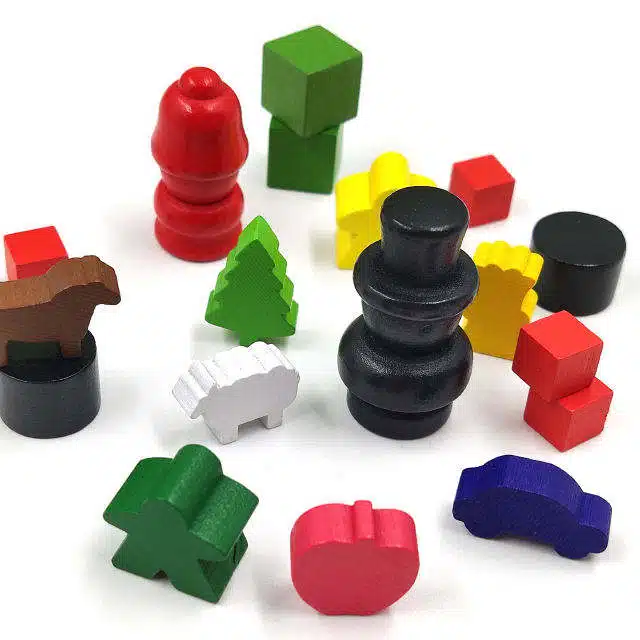
| Player markers in wood or plastic with precise silhouettes and color control | |
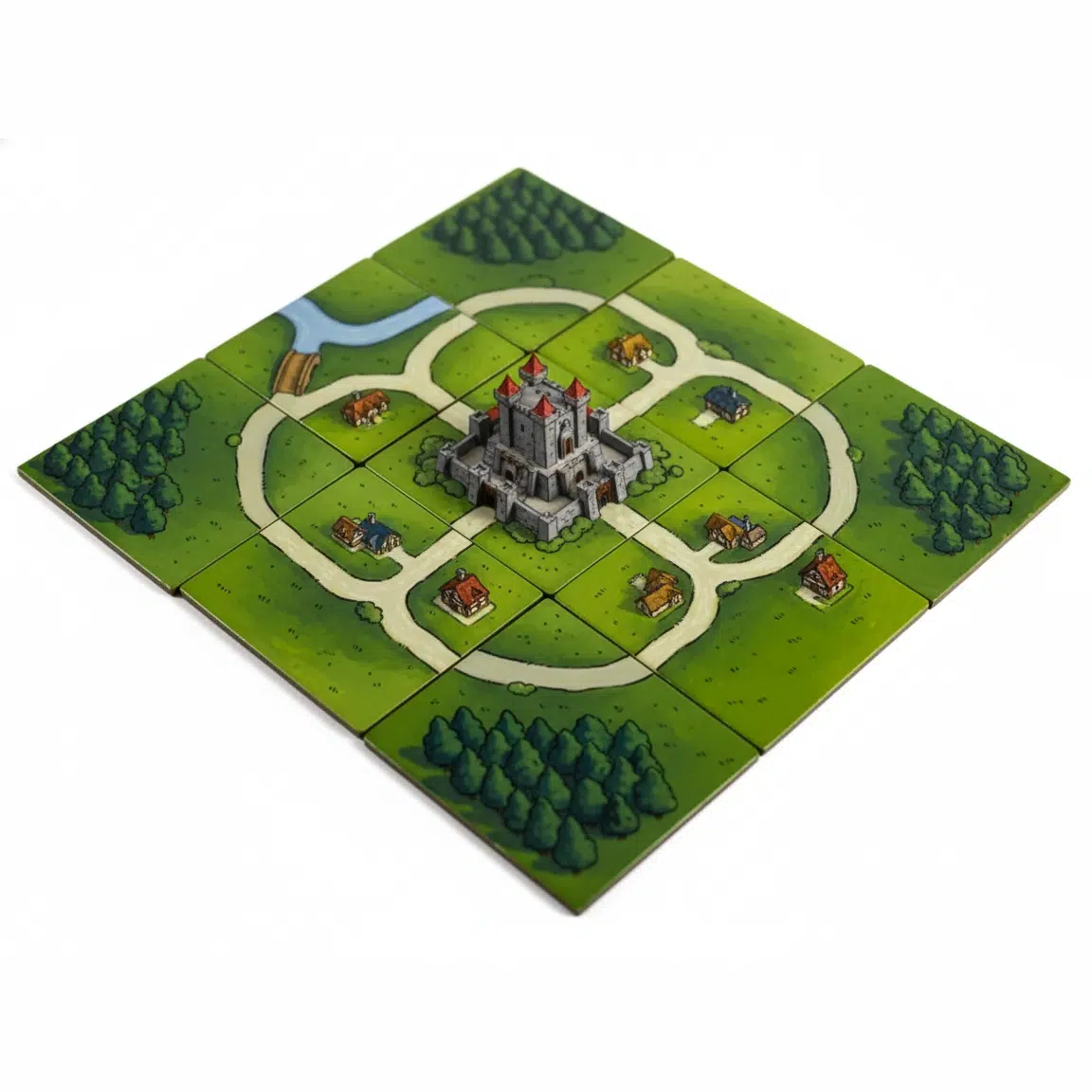
| Map and terrain modules in cardboard, plastic, or acrylic | |
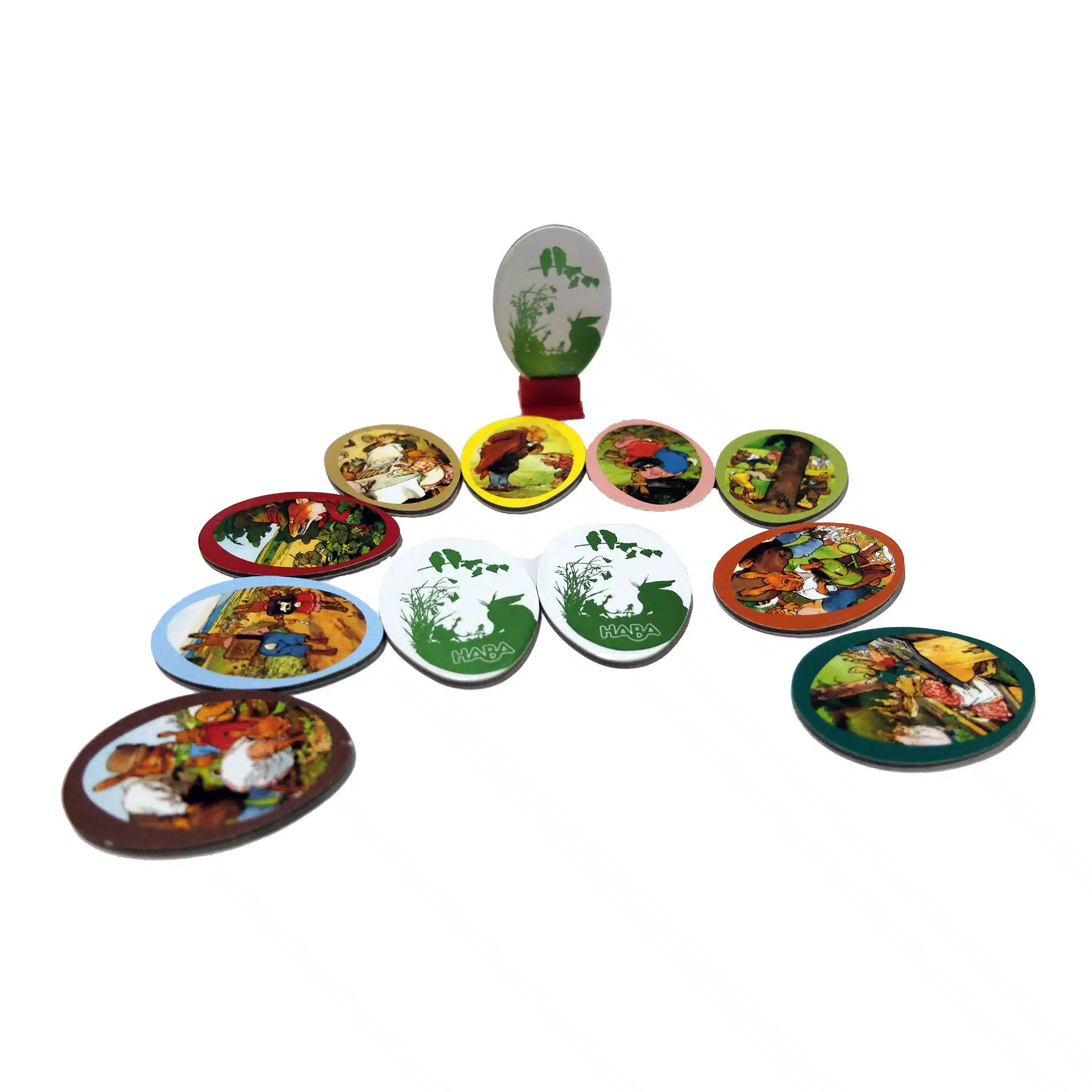
| Punchboard chips, wooden discs, and counters for scores and resources | |
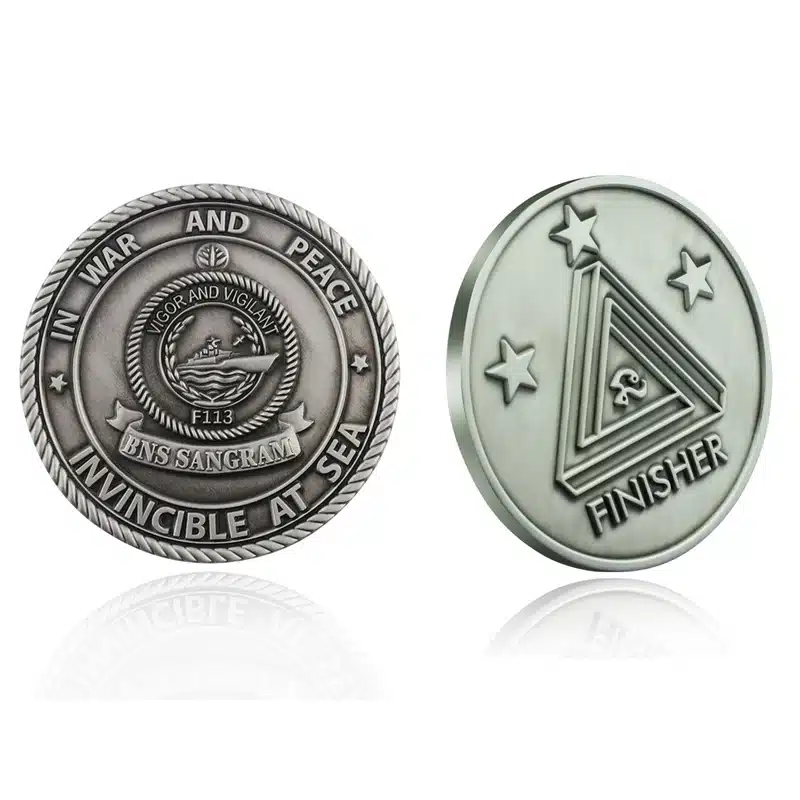
| Metal coins, wooden resources, plastic pawns, standees, and specialty parts | |

| Printed paper essentials for rules, currency, and scorekeeping | |

| Printed game currency with denomination and sorting control | |
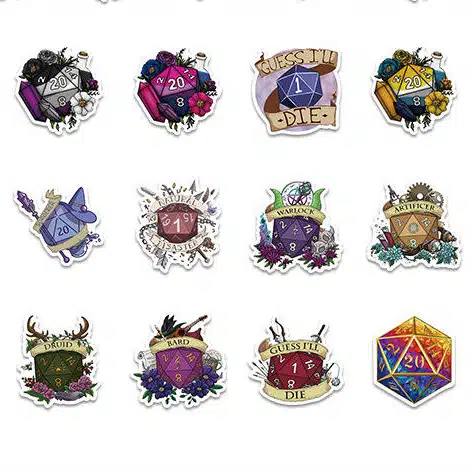
| Kiss-cut sticker sheets and labels for game states and branding |
Every component above is manufactured through our integrated production system — from component mapping and engineering review through sampling and mass production. Learn more about our complete custom board game printing services.
Why Choose FUNWAY
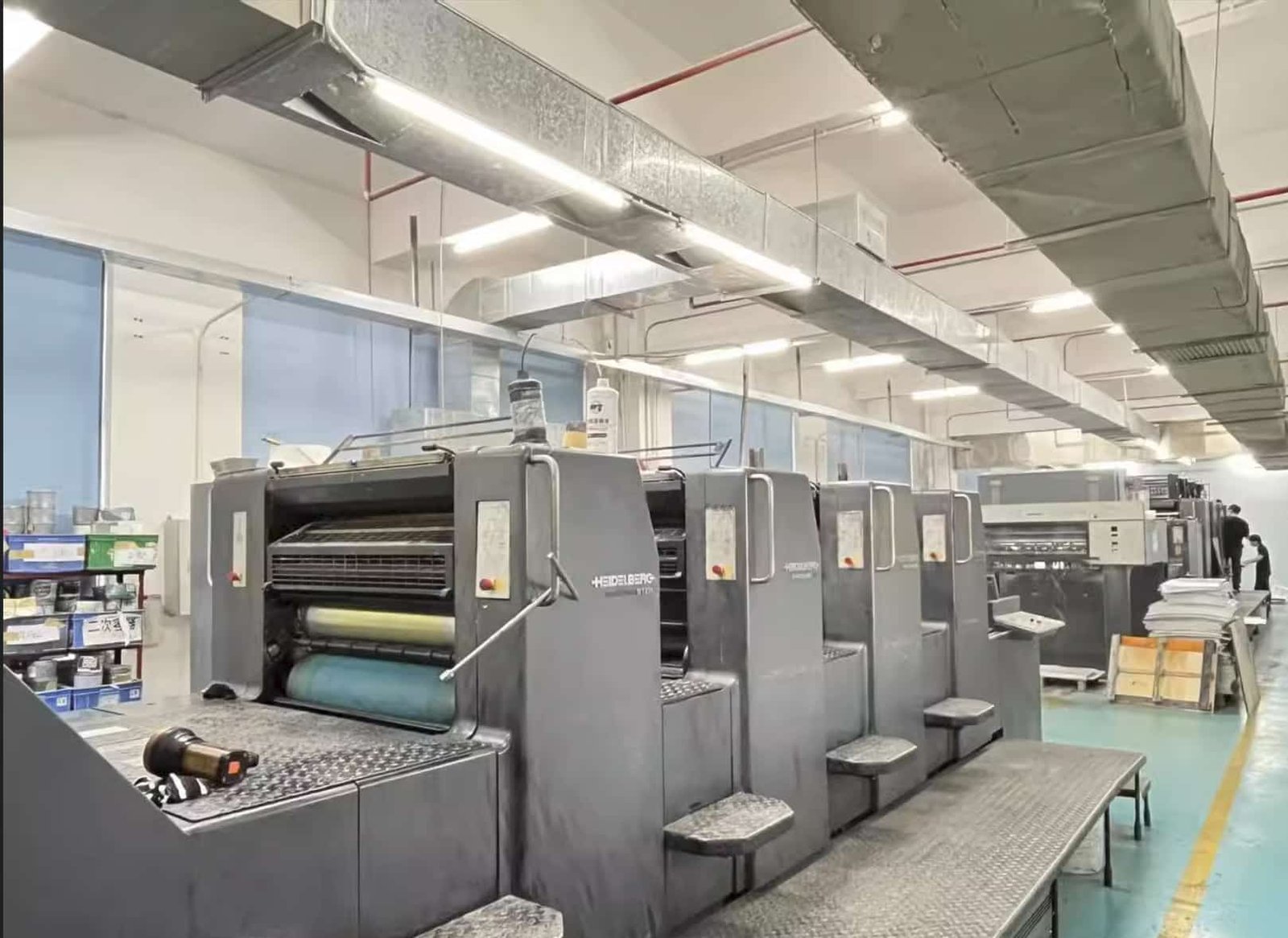
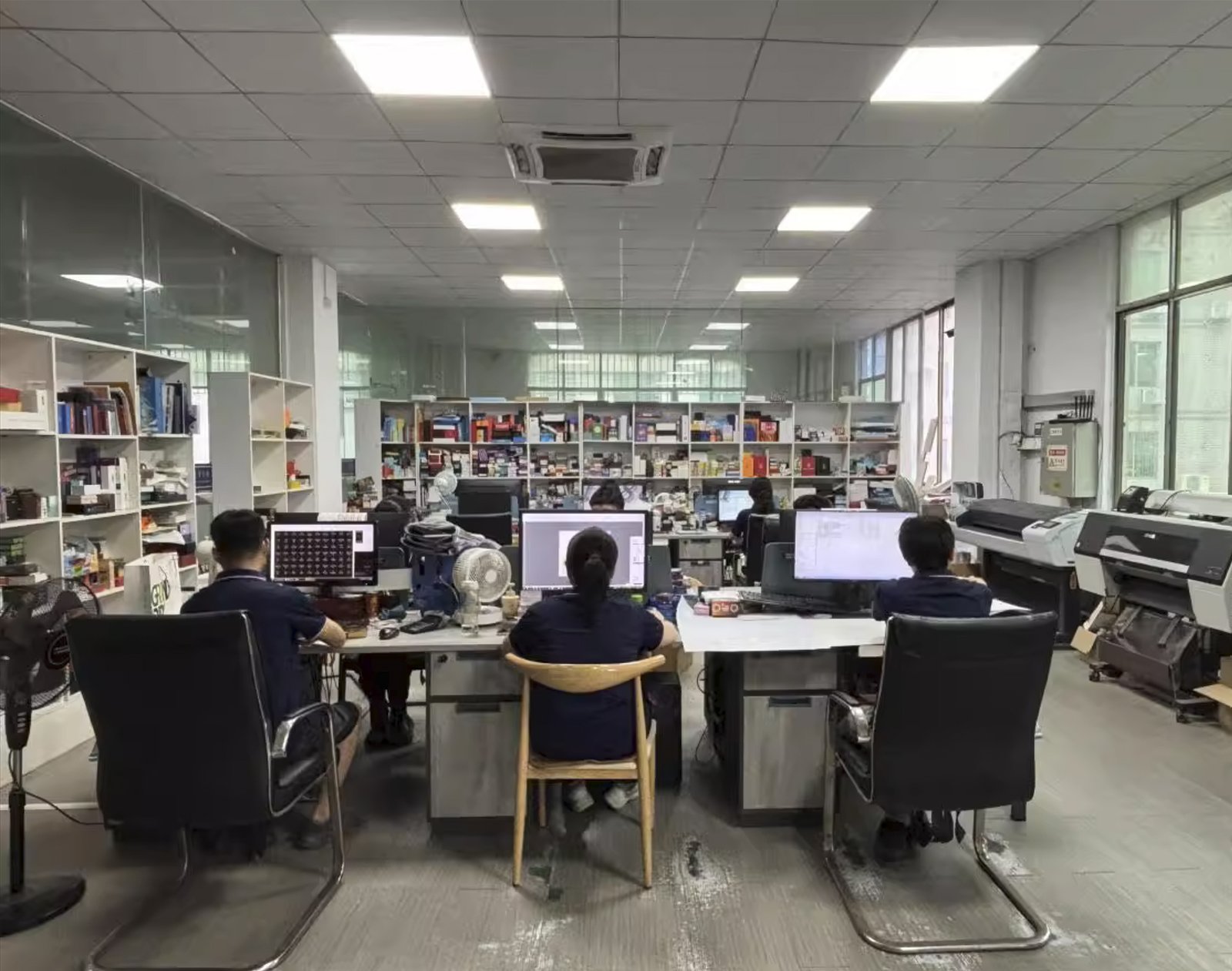
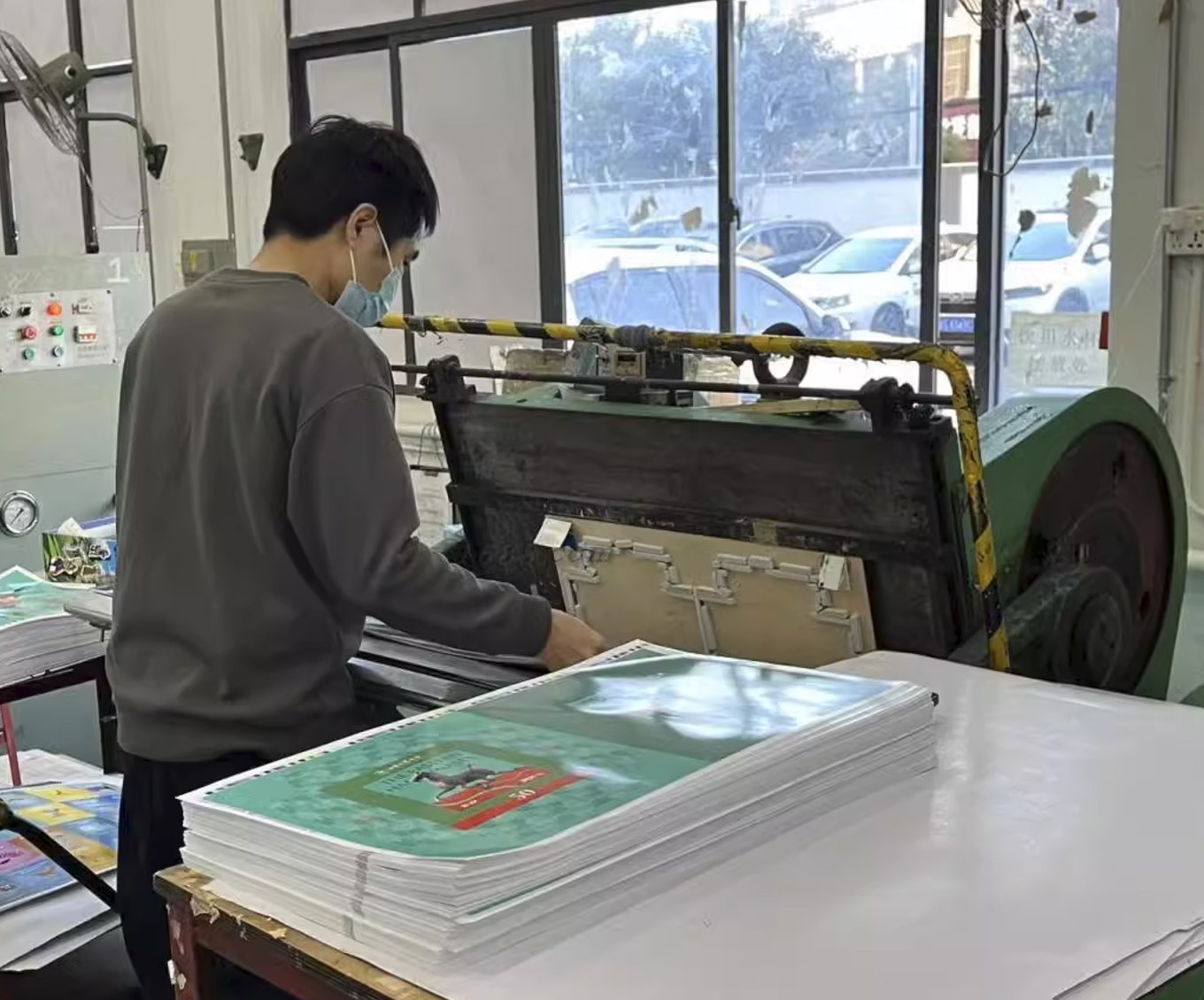
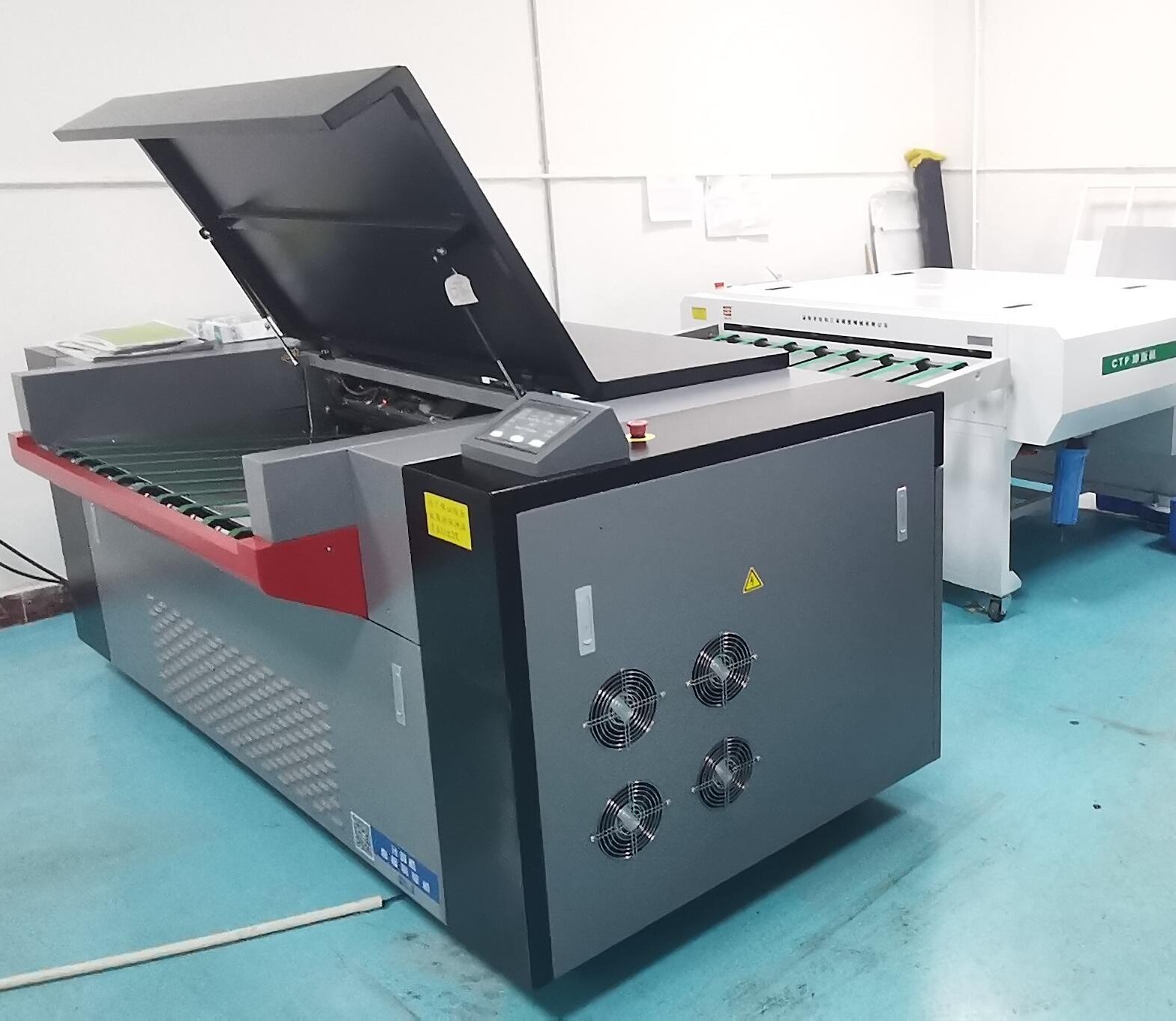
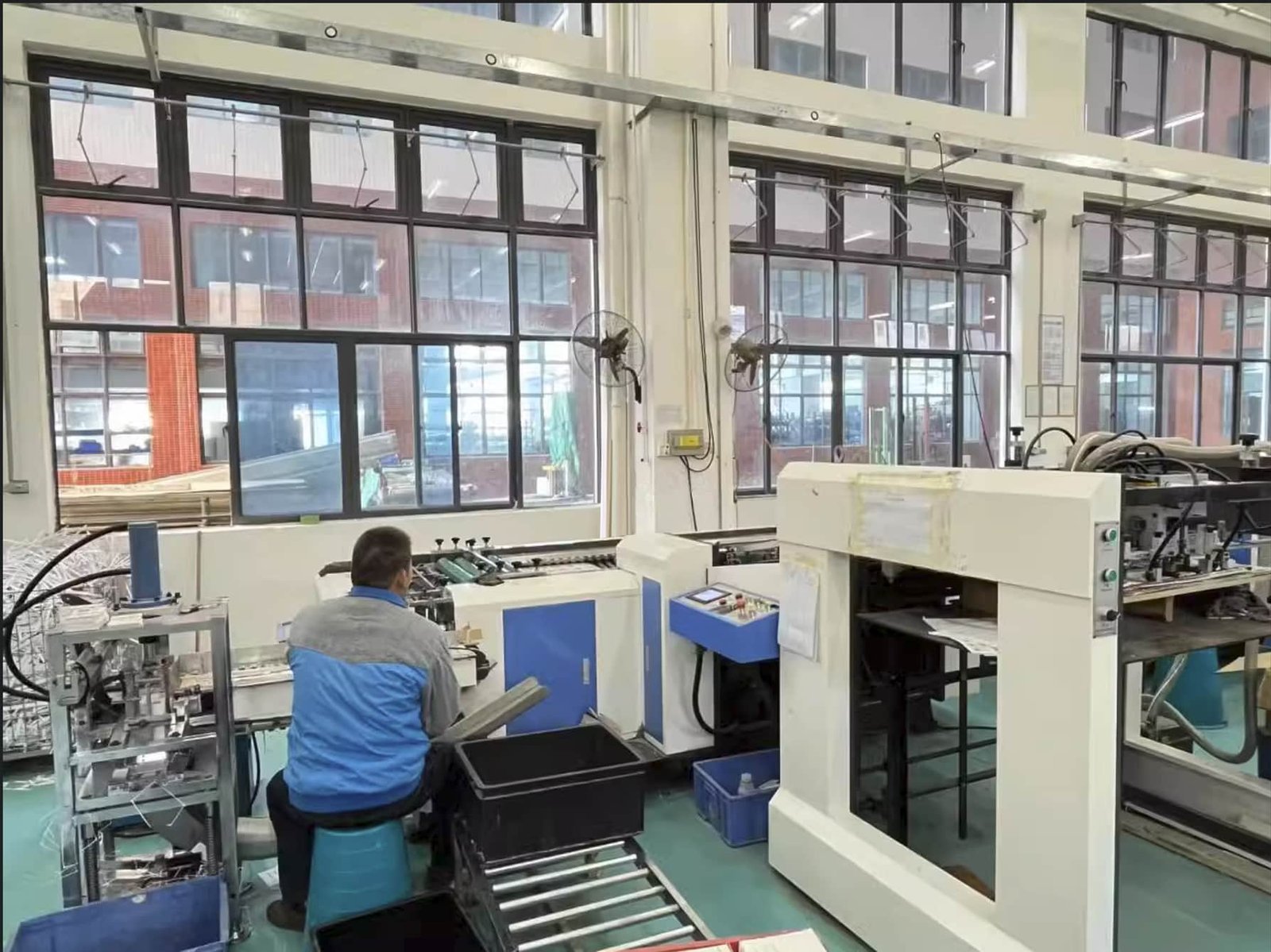
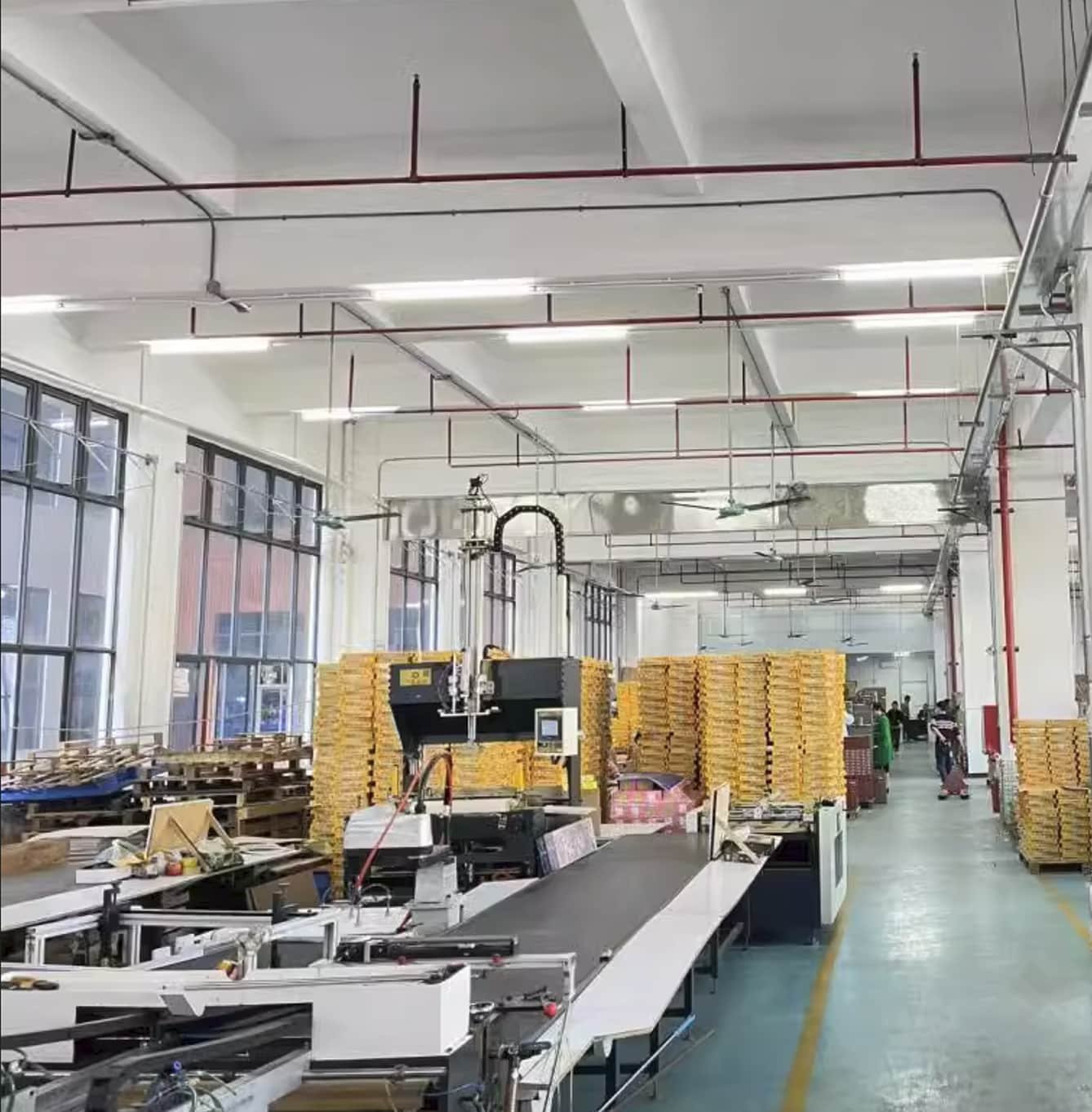
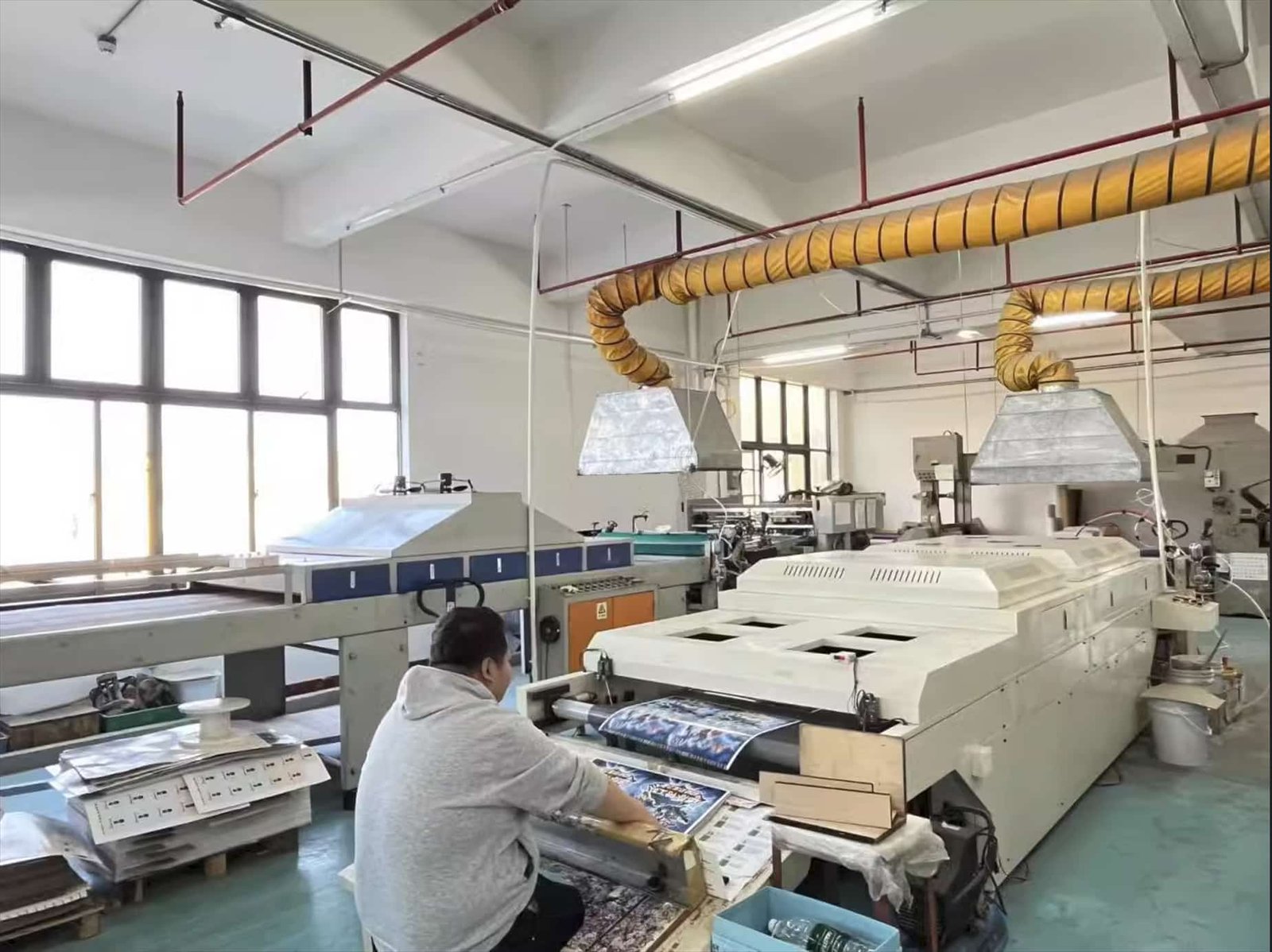
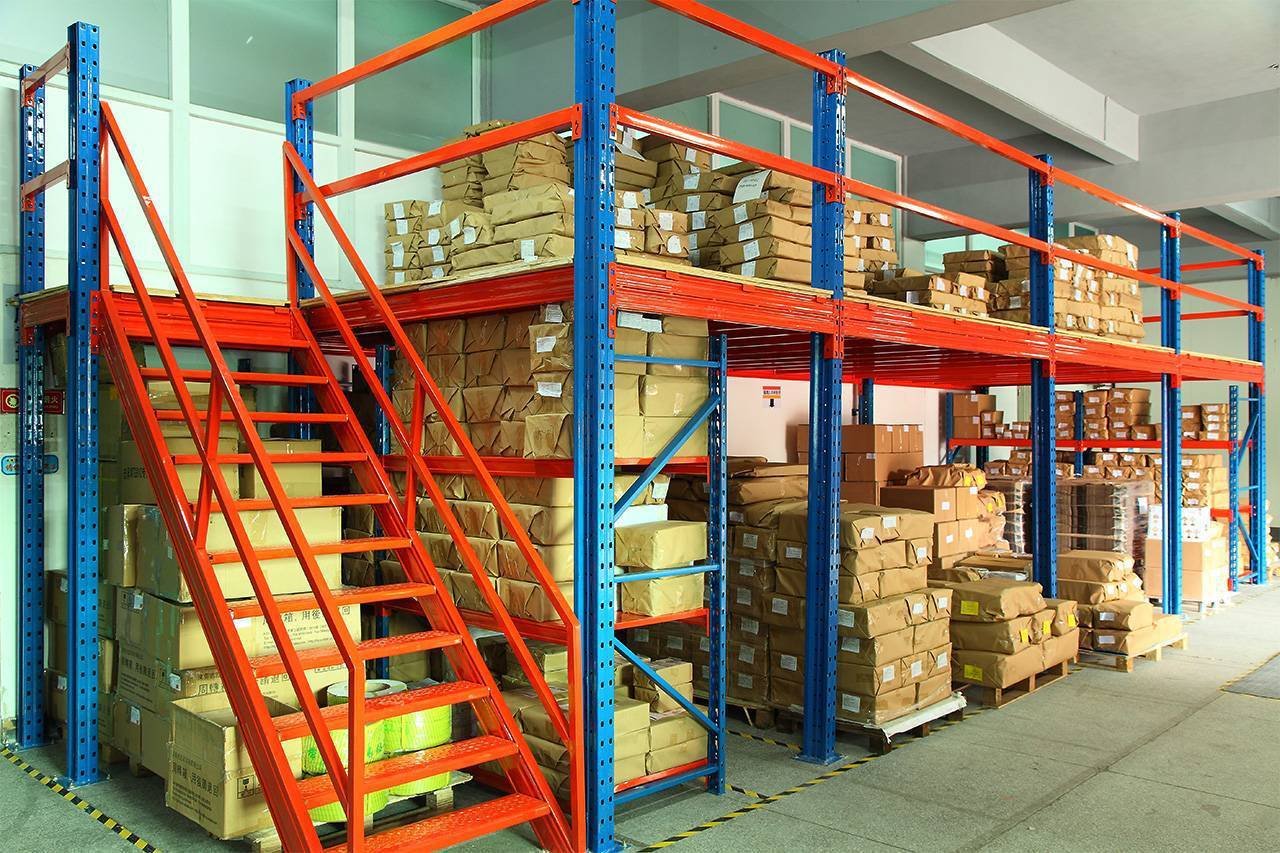
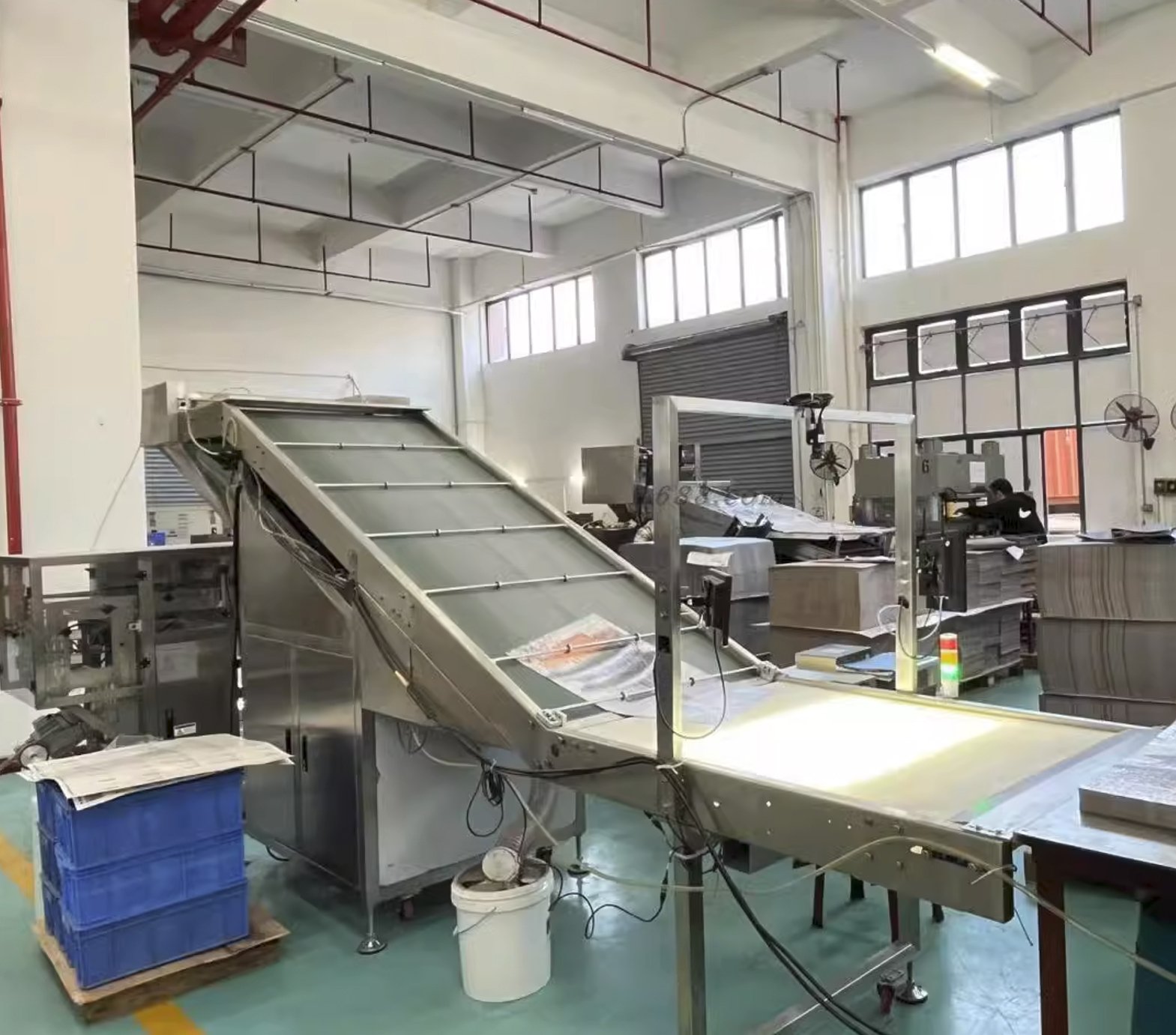
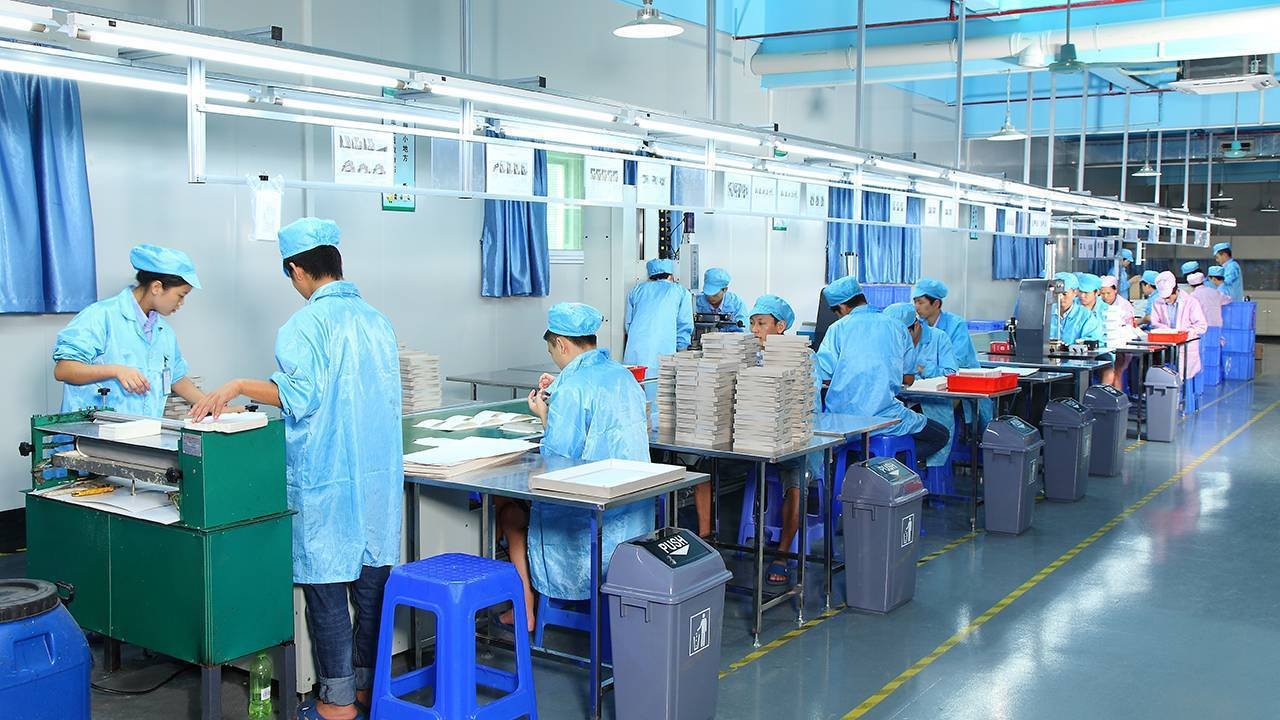
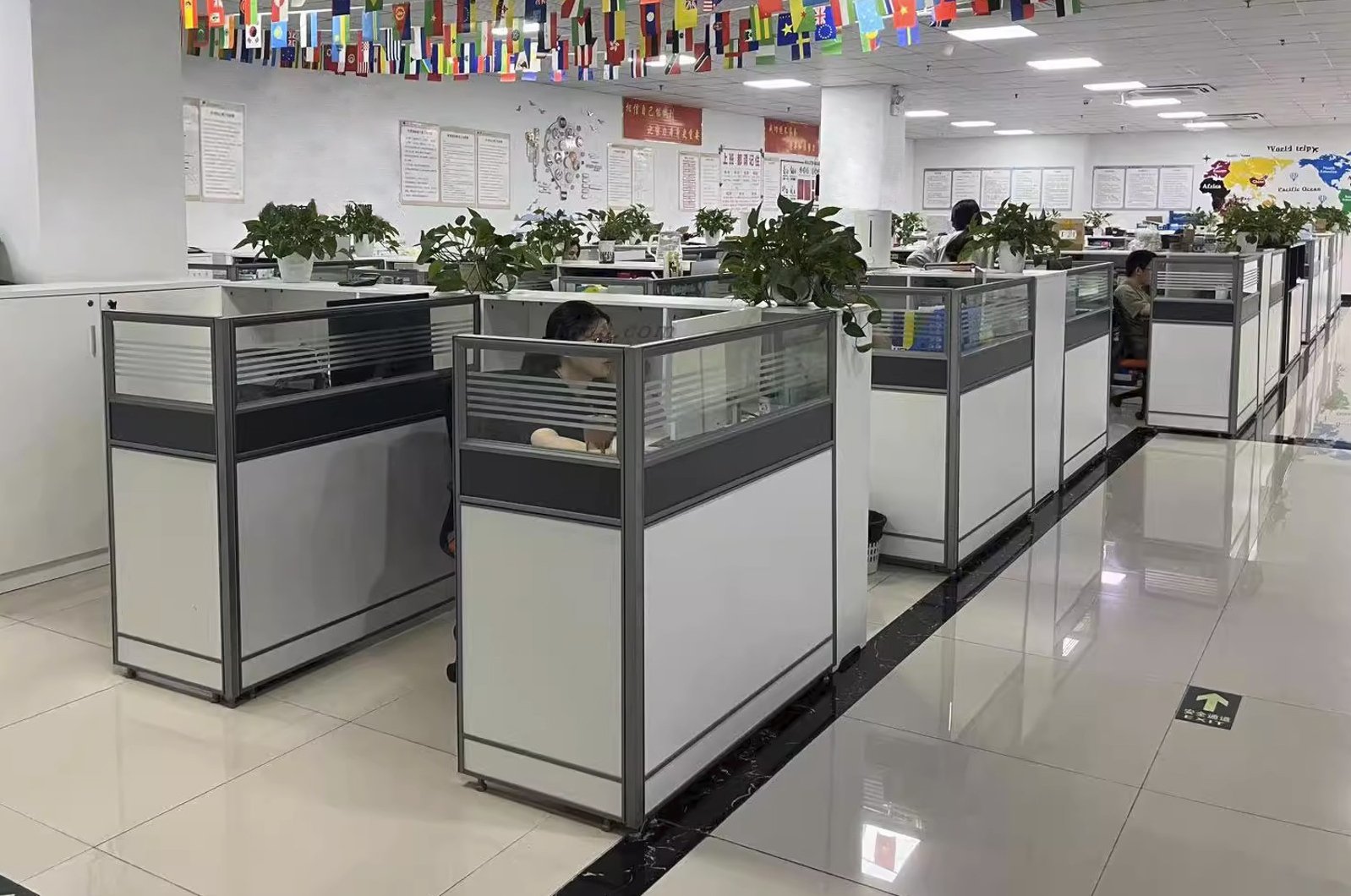
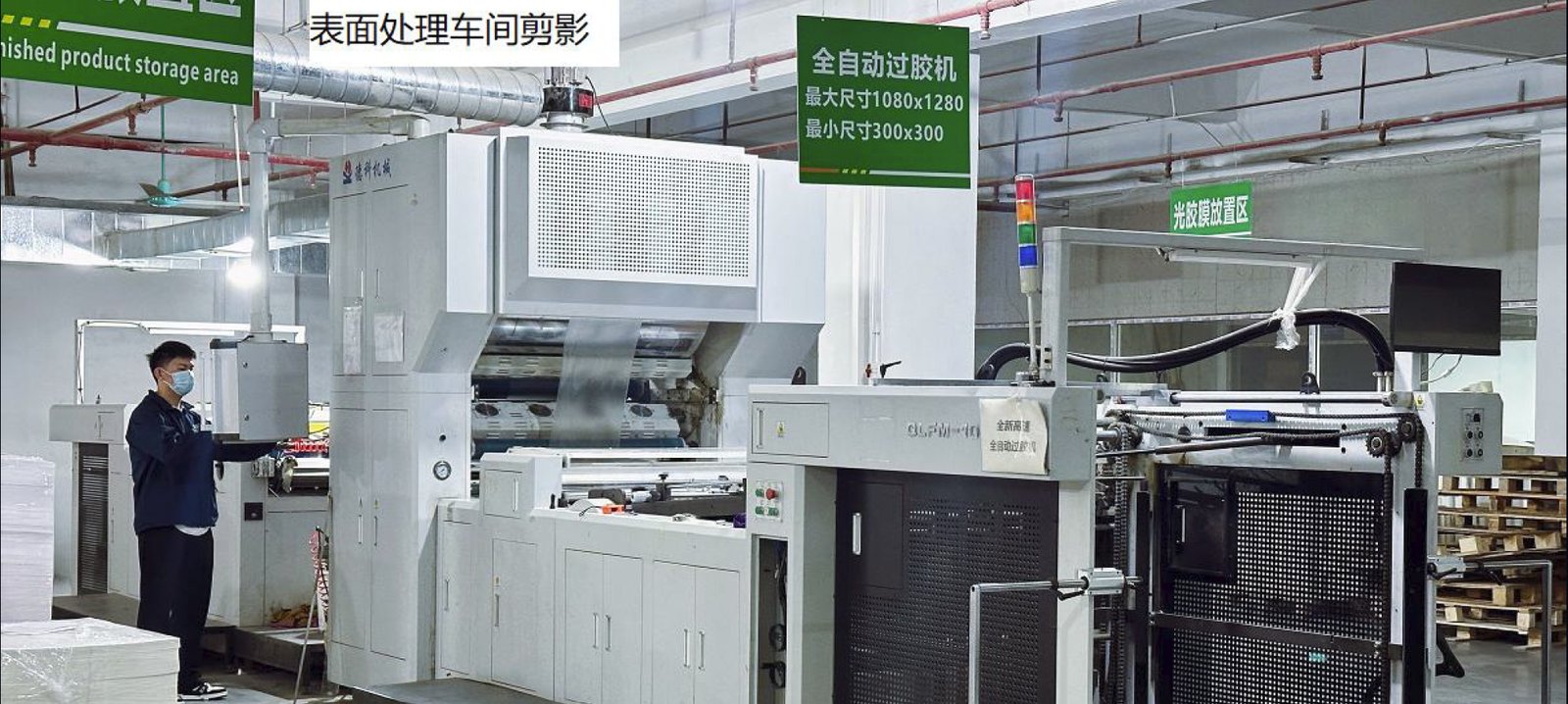
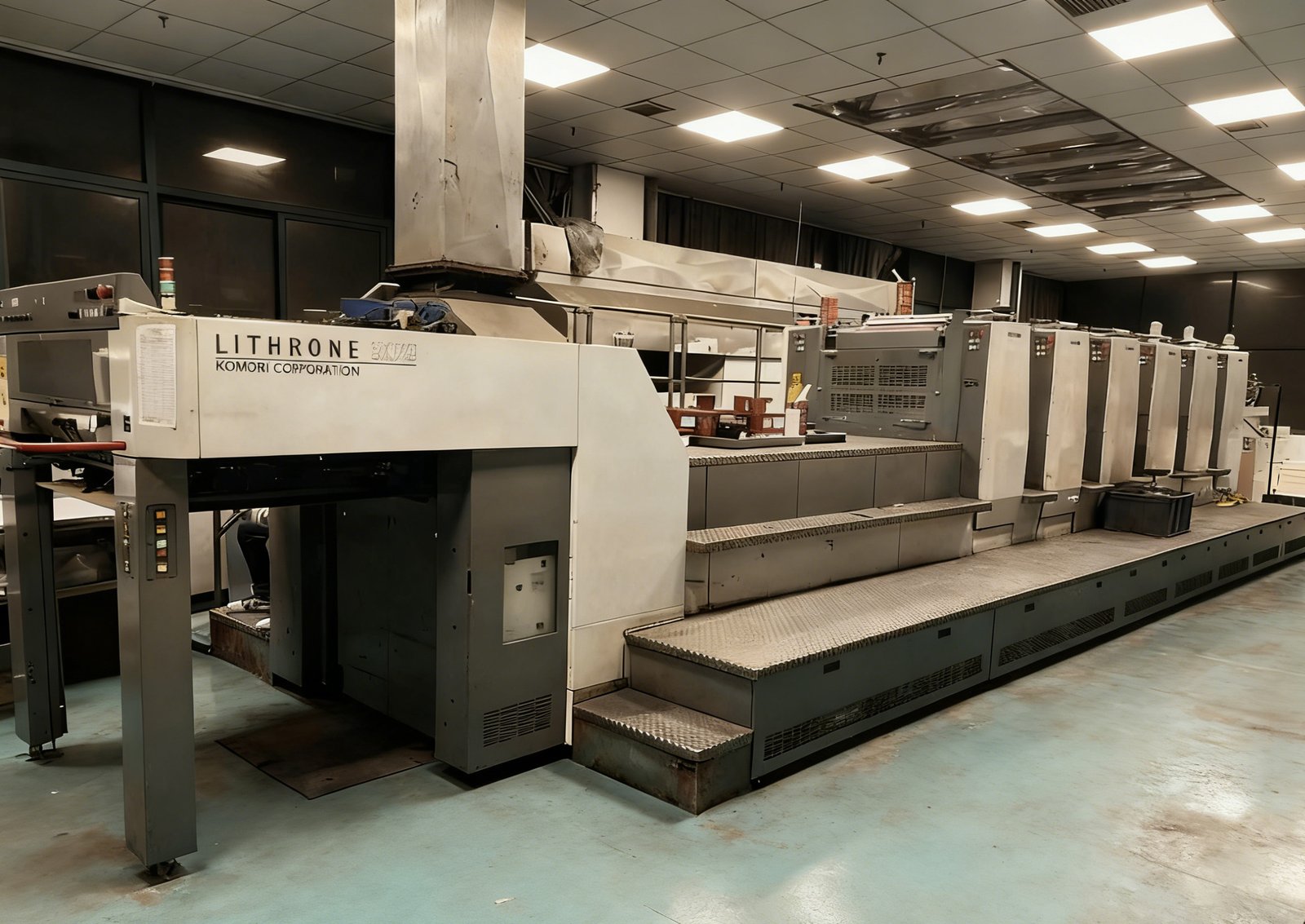
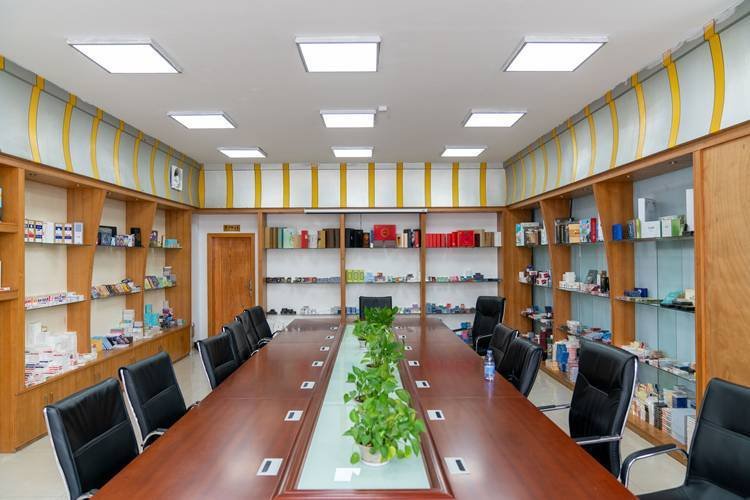
We have been making cards, puzzles, and board games since 1999. Today we run a 16,000-square-meter factory with over 200 workers. We are a direct OEM/ODM manufacturer, not a trading company. We have finished 5,000+ projects and shipped 2.3 million+ products worldwide. You get factory-direct pricing and a team that knows this work inside out.
We handle everything from design to final packing. You can order 1 piece for testing or 10,000 for a full launch — we keep the same quality at any quantity.

CE – EN 71 
amfori BSCI 
ESTS FSC COC 
SGS FSC COC 
ISO 9001:2015 -
ASTM F963-17


Why Bulk Buy From FUNWAY
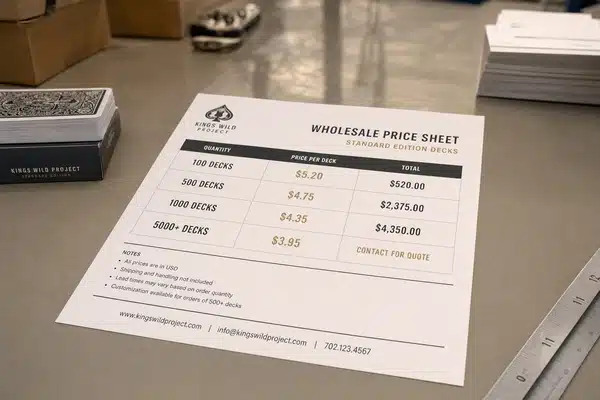
Competitive Bulk Pricing

Factory-Direct Quality Control

On-Time Delivery Promise

1-on-1 Project Support

Trusted by Global Brands
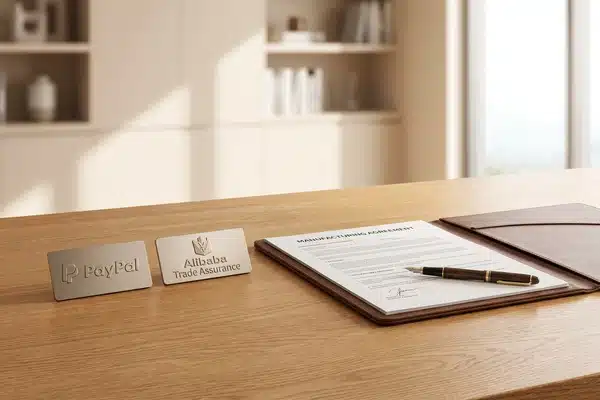
Secure Payment & After-Sales
OEM / ODM Manufacturing Process

Step 1: Project Review & Component Mapping
We do not quote from a loose parts list. We quote from a complete product plan.
Before pricing, we map every component: board, cards, tokens, rulebook, insert, box, and accessories. We check how they fit as one packed set. This keeps the quote accurate. It also prevents surprises later in tooling, packing, and freight. We check:
Getting this order right keeps your project on budget and on schedule.
Step 2: DFM Check & Manufacturing Review
A bad sample usually starts from a design that was never checked for real production.
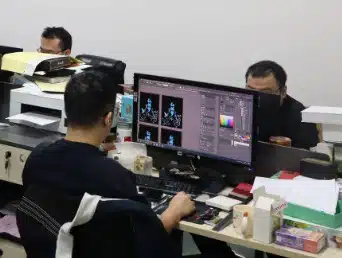
Before we build samples, we review your files for real-world manufacturing. We check dielines, bleed, safe zones, fold lines, card thickness, box depth, insert fit, and surface finish. We fix these issues before sampling:
If the packed set cannot close cleanly, changing the finish will not fix it. We fix the structure first.

Step 3: Sample Production & Approval
The sample is not a photo shoot. It is the production standard.
We build the first sample to test material feel, fold strength, color accuracy, box fit, insert tightness, and total weight. You review it. You approve it. This approved sample becomes the Golden Sample. All mass production is checked against it.
After this point, changes to board size, card stock, insert, or box depth will restart cost and lead time. We keep the sample stable so your bulk order stays on track.

Step 4: Tooling & Mold Setup
We open tooling only after the Golden Sample is locked.
Tooling covers die-cut tools for cards, boards, punchboards, inserts, and boxes. For special plastic parts, we may need molds or fixtures.
We never rush tooling while the design is still moving. Once the die is made, changes cost time and money. We wait for your final approval before cutting steel.
This protects your tooling investment and keeps the project on schedule.
Step 5: Pre-Production Validation
Small errors are cheapest to catch before the full run.
We run a small pre-production batch. We check color drift, cutting position, fold accuracy, board thickness, surface finish, and component fit.
If anything does not match the Golden Sample, we stop and fix it before using more material. This step saves both time and cost.
This is why we never skip pre-production validation.

Step 6: Mass Production & Assembly
A game is not done when the parts are printed. It is done when the box closes properly.
Cards, boards, Punchboards, rulebooks, boxes, inserts, wooden pieces, dice, and accessories have to work as one packed set. During assembly, we check whether the approved packing layout still makes sense at production speed.
This is critical for B2B orders. Your distributor receives finished goods, not loose parts. Every set must be packed clean, stack flat, and ship safely.
We control assembly so your goods arrive ready for shelf or warehouse.

Step 7: Final QC & Global Shipping
A perfect product can still fail if the carton is wrong.
Before shipping, we check carton count, sets per carton, gross weight, carton size, shipping marks, and barcode labels. We match everything to your purchase order.
For B2B and retail orders, we also check pallet markings and stack height.
Small direct shipments get standard export packing. We ship by DHL, FedEx, or sea freight with full tracking. Every order leaves our factory with correct paperwork.
Why This Process Matters
Most problems do not show up early. They show up after one wrong decision forces the next.
This process is not meant to slow you down. For simple projects, we keep it fast. For complex projects with many parts, retail rules, or tight deadlines, these checks protect you from costly rework.
Professional Manufacturing Standards for Global Tabletop Brands
We do not treat a game box as just a printed cover. It needs to keep the components in place, hold its shape through packing and shipping, and still feel right after repeated opening. Before production, we usually look at the parts most likely to cause trouble first: structure, board material, lid fit, and color control. Most box problems are easier to fix before wrapping and assembly, not after cartons are already packed.

Structural Precision
We check the box where it usually gets stressed first: corners, seams, lid fit, wrap tension, and panel alignment. These are the areas that decide whether the box still feels right after packing and shipping. A sample photo may not show the problem. The real signs usually come later—lid too tight, corners lifting, seams opening, or the box starting to lose shape in transit.
Material Integrity (FSC-Certified Options)
Greyboard and wrap paper are selected based on box size, component weight, and shipping route. High-density greyboard gives better support, but the thickness still needs to match the actual packed game. FSC-certified paper options are available when the project needs them, but material choice still has to work with strength, wrapping, and cost.

Color Consistency & Calibration
Game boxes often use large color areas, dark backgrounds, or full-cover artwork, so color drift is easy to notice. We check print color, coating, and finish before mass production, especially when the project may need reprints, expansions, or matching boxes later.
From the initial structural dummy (white sample) to the final mass production, we act as your technical partner. We don’t just follow specifications—we audit them to ensure your box is engineered for the weight of your components and the rigors of global fulfillment.
Standardized audits for every production run.
Cost Drivers & MOQ Optimization
Custom game box cost usually moves for a few clear reasons: box structure, size, board thickness, finishing, insert fit, and order quantity. If those decisions stay open too long, the price usually keeps moving as well. We try to lock the main structure early so the quote, tooling, and production plan do not keep changing later.
Cost Drivers & MOQ Optimization
Custom game box cost usually moves for a few clear reasons: box structure, size, board thickness, finishing, insert fit, and order quantity. If those decisions stay open too long, the price usually keeps moving as well. We try to lock the main structure early so the quote, tooling, and production plan do not keep changing later.
Box Structure & Construction Method
Different box styles carry very different setup costs. Tuck boxes are usually faster and easier to scale. Lid-and-base boxes, drawer boxes, magnetic boxes, and tin boxes add more material, more assembly work, and tighter fit control. The structure should match the game, not just the look.
Box Size, Board Thickness & Load Requirement
Larger boxes use more material and take more space in cartons. Thicker greyboard also adds weight and cost. We choose board thickness based on the component load, box size, stacking pressure, and shipping method—not only because a thicker box feels more “premium.”
Printing Coverage & Surface Finishing
Full-cover artwork, dark ink coverage, lamination, soft touch, foil, and Spot UV all add production steps. Some affect drying time, handling, or inspection. These choices should be confirmed before tooling and mass production, because late finish changes can affect both cost and schedule.
Insert Integration & Fit Precision
The insert has to be checked with the real component sizes. A tighter insert means stricter tolerance control, and sometimes a higher tooling or mold cost. If the insert is added after the box size is already fixed, the box height, lid fit, or packing order often has to be adjusted again.
Order Volume & MOQ Considerations
Small runs are possible, but the same setup work is still there. The press, die line, wrapping, assembly, and packing all have to be prepared before the first box comes out. Standard box styles or shared die lines can sometimes help reduce MOQ. Fully custom rigid boxes usually need more volume to make the unit cost reasonable.
PROJECT CASES
Real Projects, Real Results

Board Game “Relationship-Themed Party Game”
A Nigerian client came to our factory with a new board game project. The game had many characters and item pieces, but the production direction was still open. During the factory visit, we showed different board game samples we had made before, so the client could compare acrylic, metal and wooden pieces from real samples.
After checking the artwork style and sample pieces together, the project was fixed with 9 acrylic character standees, 3 metal tokens and 3 wooden game pieces. The box also used an EVA tray, because the different piece materials needed to sit in place during packing. The project later moved into sample making, and the first order was 1,000 sets.
What we did: Factory visit, sample comparison, acrylic standees, metal tokens, wooden game pieces, EVA tray, sample set, 1,000-set production run.

Board Game Packaging “Crowdfunding Box Set”
A Greek client came to us with a board game project for crowdfunding. The game pieces were already planned, but the box, rulebook and inside packing were still open. We checked the rulebook file, small parts, main board and box height first, then made the box dieline and cardboard insert layout. The client wanted the retail look and feel—not just a plain shipping carton.” There was a cardboard insert that separated the accessories and hold the rulebook and main board, so that the set could be packed nicely without a plastic tray. After receiving the sample, the client said the box and insert looked very professional amd took a unboxing video. The approved structure later moved into crowdfunding production packing.

Block Puzzle Game “puzzle-Style Pattern Game”
A UAE client came to us with a block puzzle game idea, similar to an Uzzle-style pattern game. We talked through the structure by video call first. The early plan was plastic blocks with sticker labels. We did not use that plan in the end. On small blocks, sticker edges can lift after repeated handling, and the surface result is not stable enough.
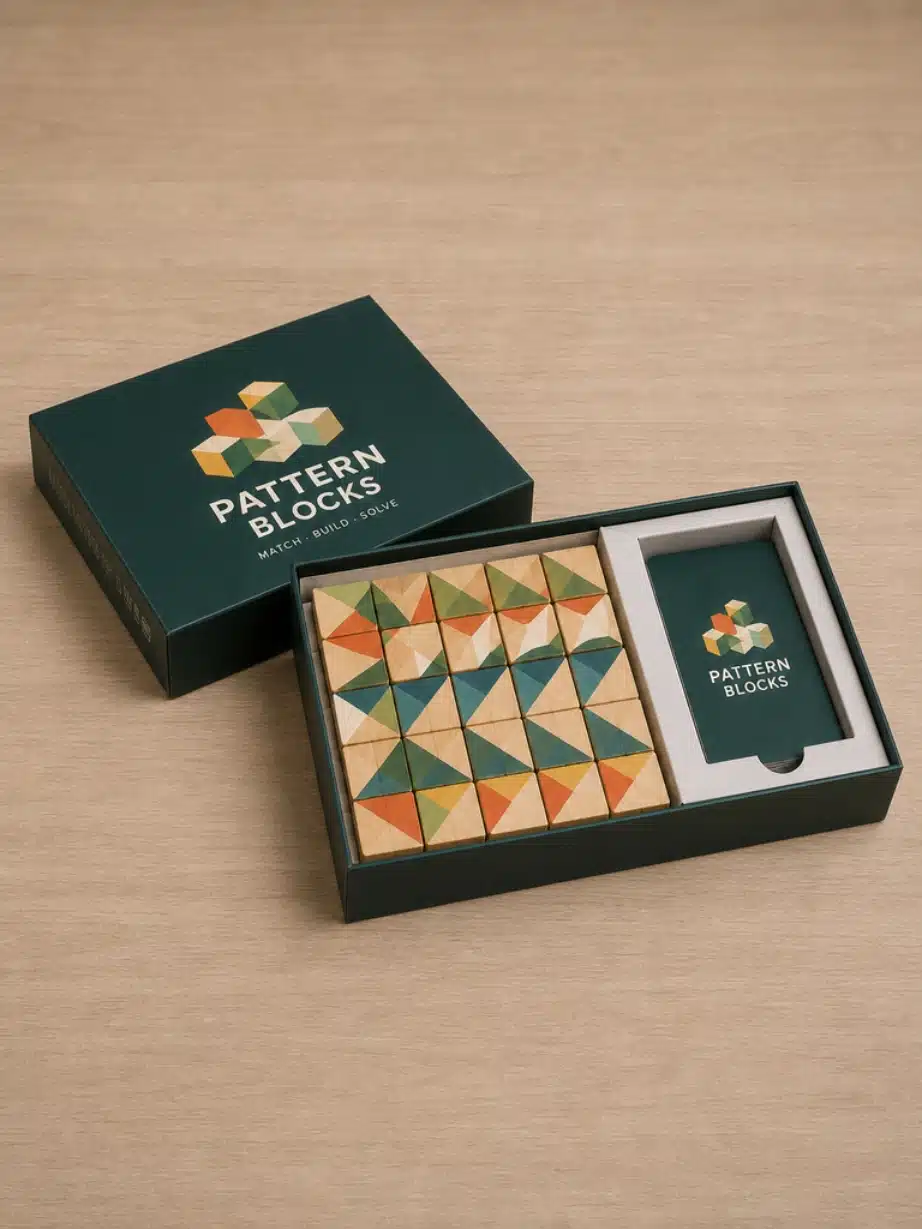
The sample was changed to wooden blocks with UV print. There were 20 blocks in five patterns, plus 100 cards packed with shrink wrap. Inside the box, the blocks sat on the left side and the card stack on the right side. We used a simple U-shaped greyboard insert around the card area instead of making a full blister tray. Less tooling, less packing cost.
The project moved into sample making. For the U.S. market, we also helped arrange ASTM F963 / CPSC testing documents.
-
Board Game “Baseball Player Guess Who Game”
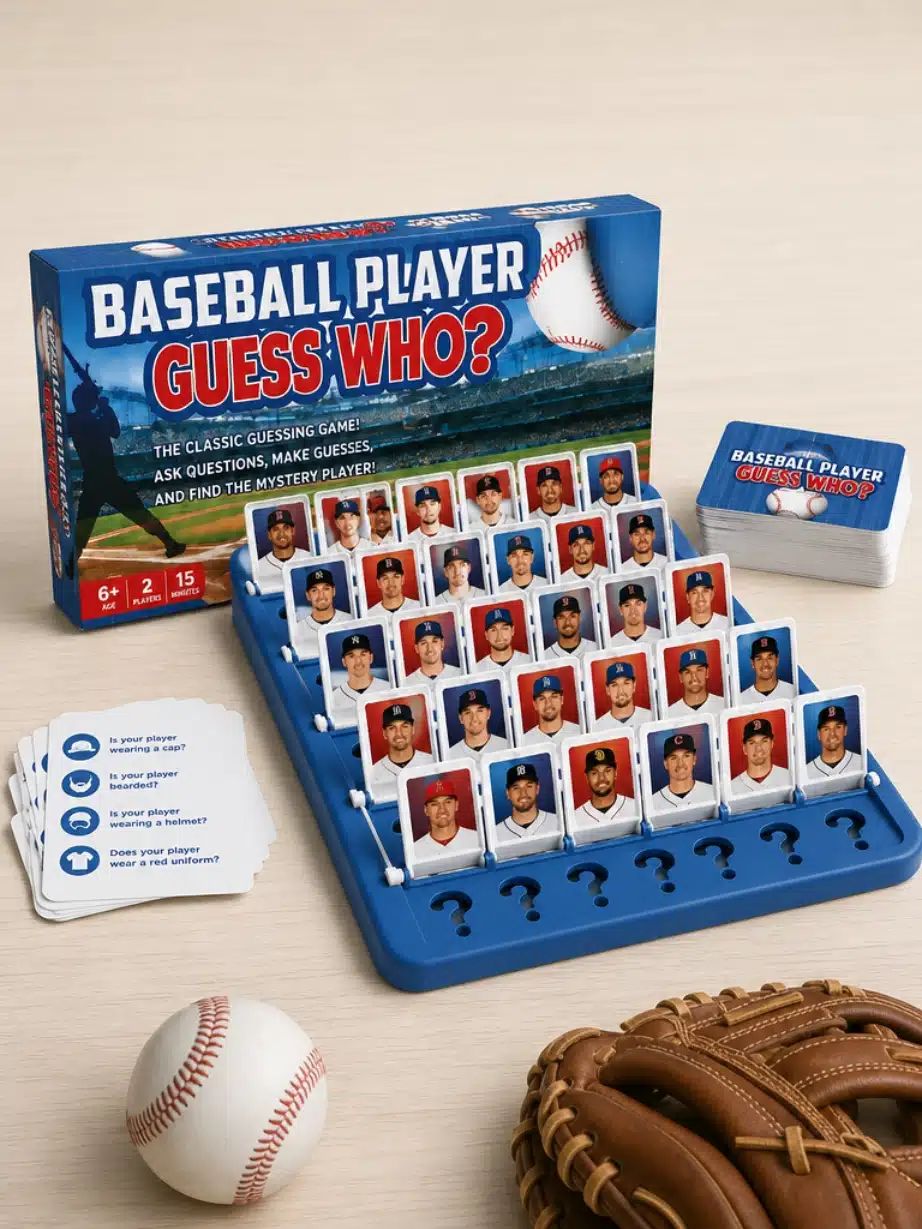
A UK client came to us with a Guess Who-style baseball player game. The project timeline was tight, so we started with standard plastic stands instead of opening a custom mold at the beginning stage.
The first samples used off-the-shelf plastic stands for holding the character cards. The layout was tested with these standard stands first, mainly to confirm spacing between cards and player positions. After early testing, the layout was fixed, and the structure was later changed into a custom injection-molded frame for mass production.
What we did: Plastic stands used for the first sample. Guess Who-style layout prepared for the baseball player cards. Small batch tested before tooling. Later switched to custom injection frame for production.
-
Board Game “3D Printed Plastic Components – France Project”
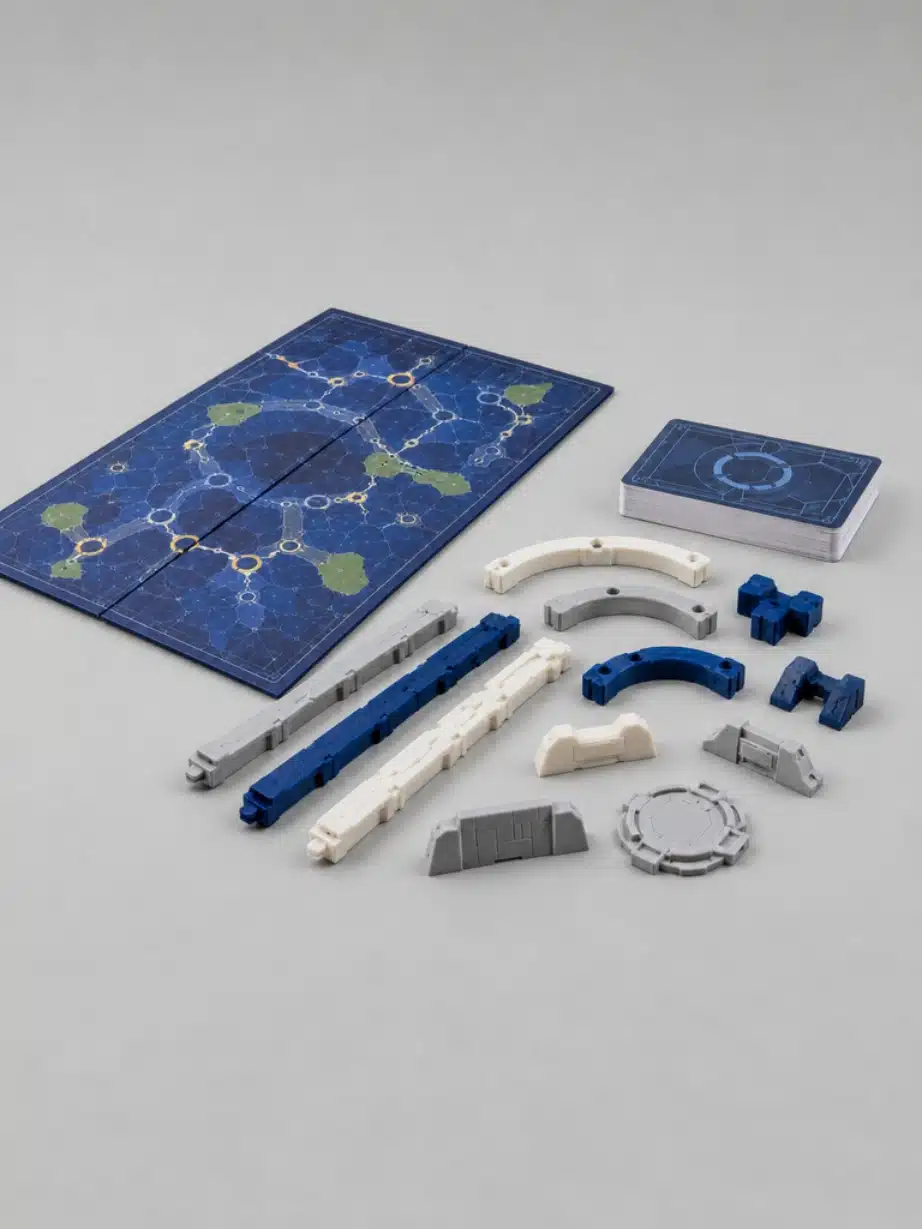
A French client came to us with a board game project based on modular plastic components. The concept was defined, but the production files were not ready, so the first step was rebuilding the full set into manufacturable 3D models.
We recreated the plastic parts from the client’s reference material and produced a full prototype set using 3D printing. The system also included standard printed cards and a folded board layout, which were aligned with the plastic component spacing during sampling.
The sample stage was mainly used to verify dimensions, wall thickness consistency, connection fit between parts, and overall layout stability during gameplay.
During sampling several adjustments were made before freezing the structure for small-batch production preparation.
-
Board Game “Modular Card & Token System – Australia Project“
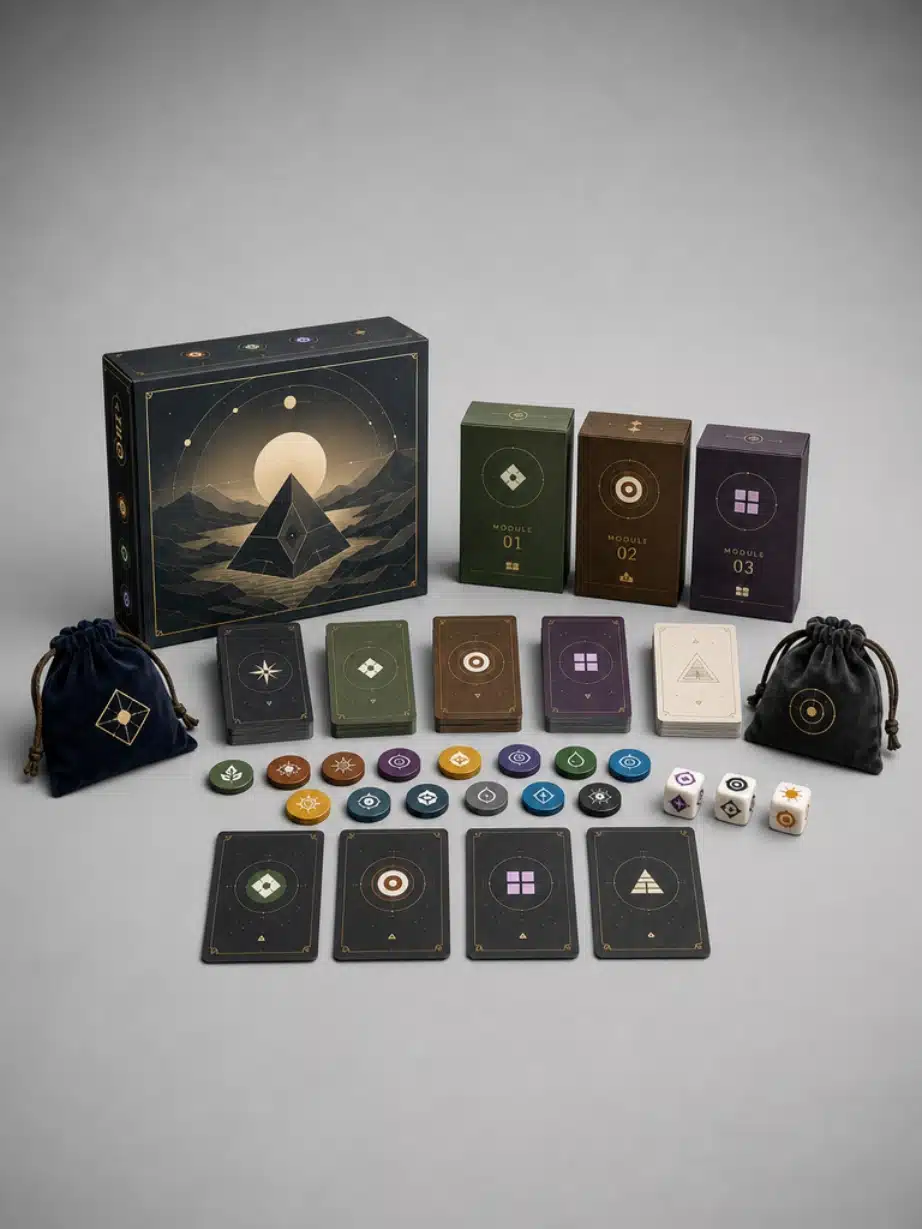
We were approached with a multi component tabletop game project with a fully custom tooling plan for most of the parts including tokens and dice.
To reduce tooling cost and improve the consistency of future modules, we simplified the structure by using standard ABS bases and UV printed artwork instead of fully molded tokens. Methods of dice production were also chosen based on durability of the icon and artwork requirements, balancing engraving and printing capabilities.
The project was meant to be multi-modular so that in the future the same components could be reused with only a change of the artwork.
-
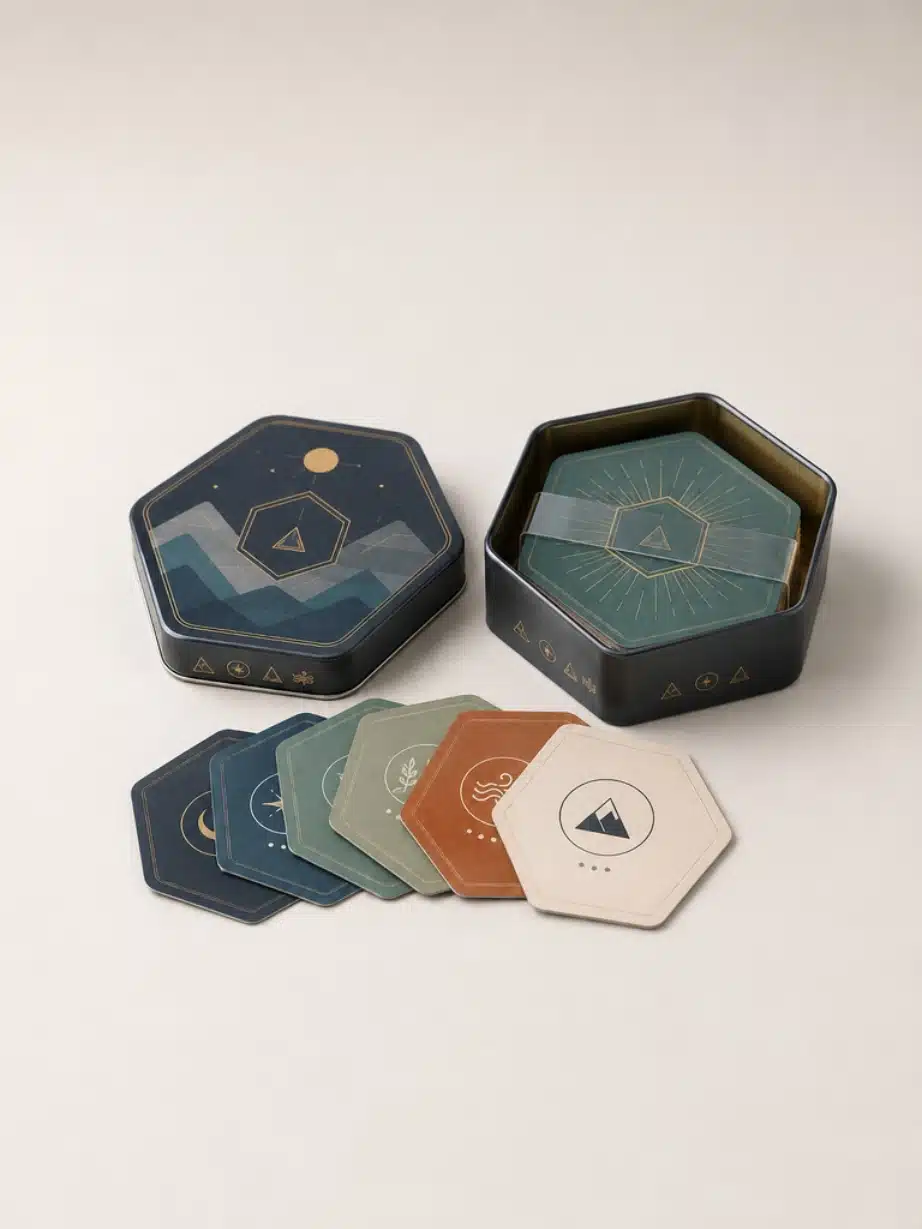
Card Game “Hex Card Set with Tin Box – US Project”
A US client approached us with a hexagon shaped card game in a tin box. The hardest thing was trying to find the right balance between die-cut accuracy for the hex cards and keeping the total packaging cost reasonable for a medium size production run.
The original request considered fully custom steel tooling for all card shapes. We reviewed the structure and suggested using a common die-cut system for reduction of tooling cost and maintaining the edge quality consistent for the hex geometry.
For the tin box we checked existing mold sizes to see if a close fit standard tin could be used instead of opening a new metal tooling. This reduced the initial cost and the sampling lead time.
We also clarified printing requirements on metal tin surfaces and matched production method according to artwork coverage and durability requirements.
What we did: Hex card die cut optimization, shared tooling review, tin box size matching, metal printing process guidance, sample coordination, production cost control.
-
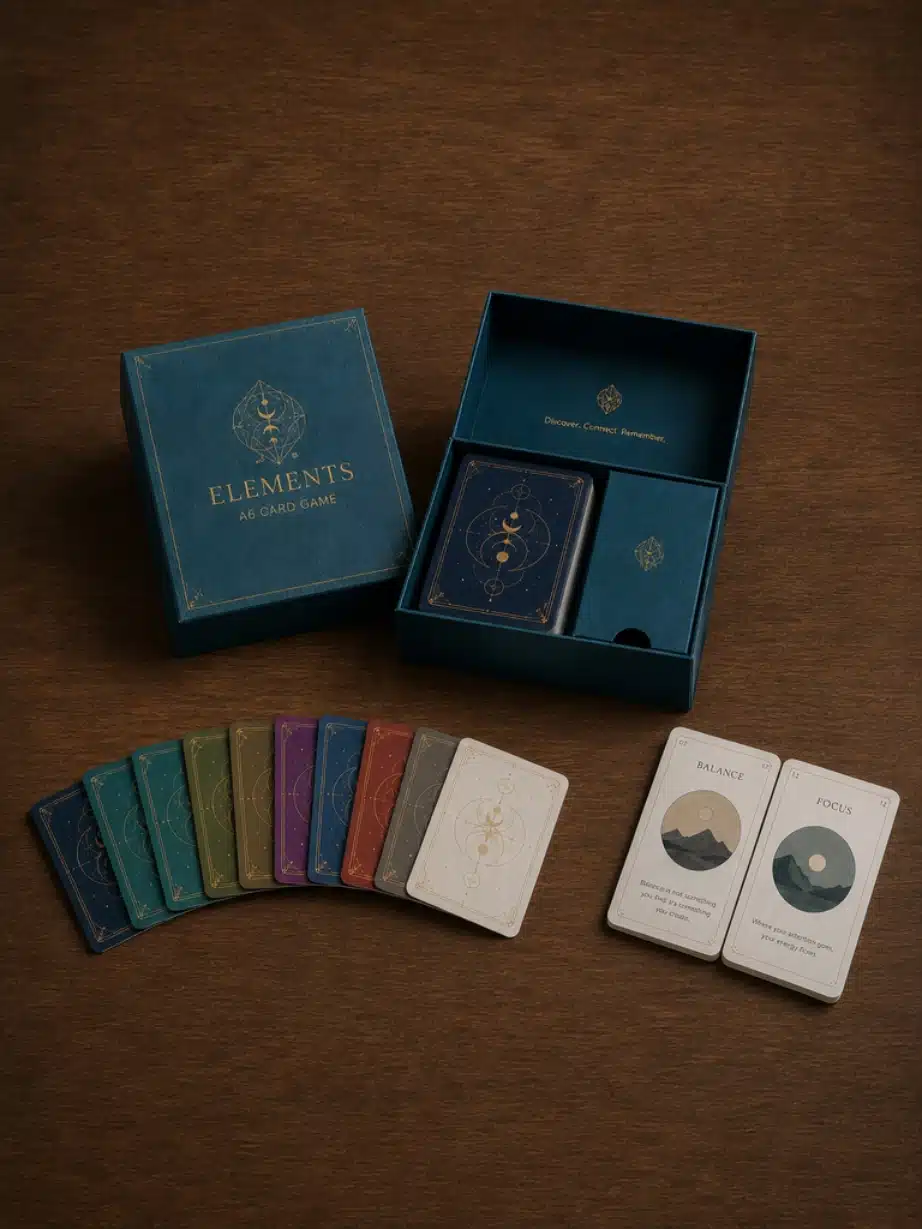
Card Game “A6 Art Card Set – Lithuanian Project”
A Lithuanian client came to us with a small-format card game project. The set used 30 A6-size cards, with 10 different card-back designs across the deck. It was not only a box order. The card size, back-side artwork, box space and paper feel all had to be checked together before sampling.
The client sent reference materials, logo files and product text, but the box artwork was not ready for production. We rebuilt the artwork on our box dieline and adjusted the layout for special paper. The box used special paper wrap on both the outside and inside. Some thin lines and small details were reduced, because textured paper does not show fine artwork like coated art paper.
After the sample was approved, the same A6 card size, card-back setup and special-paper box structure were used for production.
-
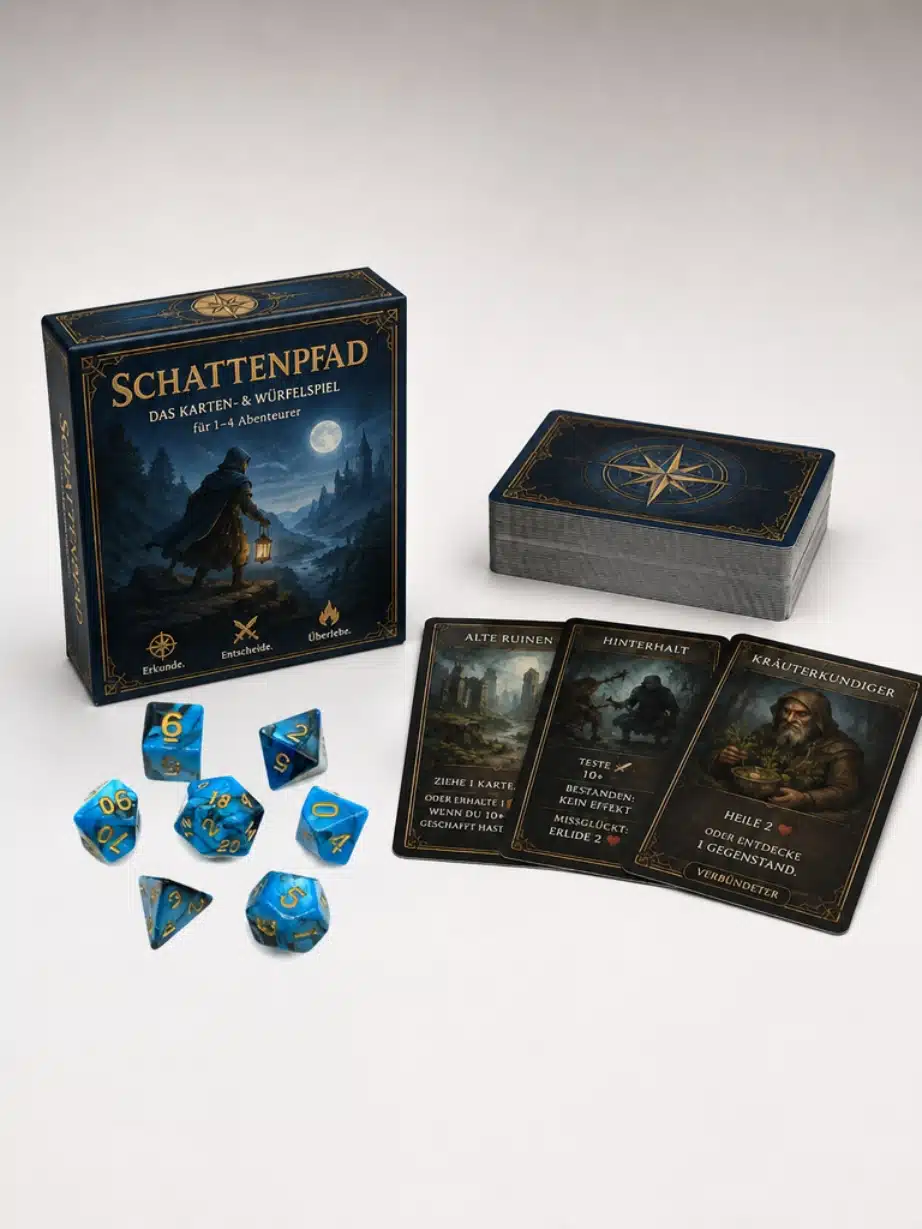
Card Game “Card & RPG Dice System – Germany Project”
A German client requested a compact RPG card game with a polyhedral dice set to control gameplay mechanics and randomness. We assisted the entire component optimization from the structure to the production feasibility.
We considered dice options from common acrylic RPG sets to premium resin styles, and landed on a durable solution that would be appropriate for repeated tabletop use. Card materials have been optimized for shuffle performance and consistent print quality.
The final design was cards and 7-piece RPG dice in a cost effective boxed layout for Kickstarter production.
-
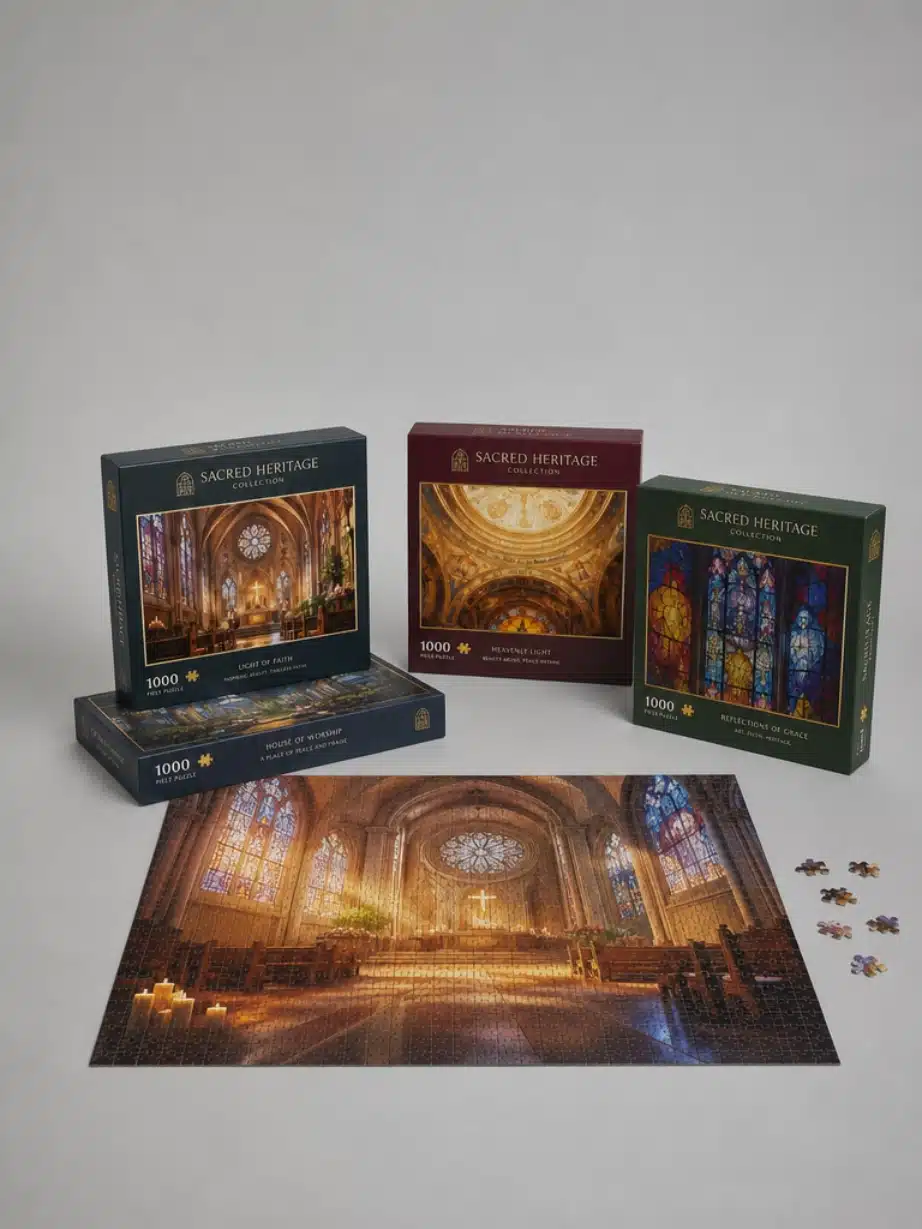
Jigsaw Puzzle “Church Heritage Puzzle Project – Indonesia
An Indonesian church organization came to us with a large-format puzzle project for gallery-style religious display. The idea was to assemble several large puzzle artworks and display them as finished wall pieces.
The original work was divided into sets of 1,000 pieces of puzzles each per theme. We supported the production set-up including offset printing, puzzle die-cutting and packaging structure based on a small batch production requirement.
In development we also thought about the overall image layout so that the artwork can be divided into multiple panels without cutting off important visual elements at joining lines. This avoided misalignment issues when the puzzles are put together and displayed side-by-side.
The last production was planned as a small pilot batch for scaling up.
What we did: puzzle production setup, multi-panel image splitting consultation, 1000 piece puzzle die cutting, packaging coordination, small batch production (200 sets), gallery display layout consultation.
-
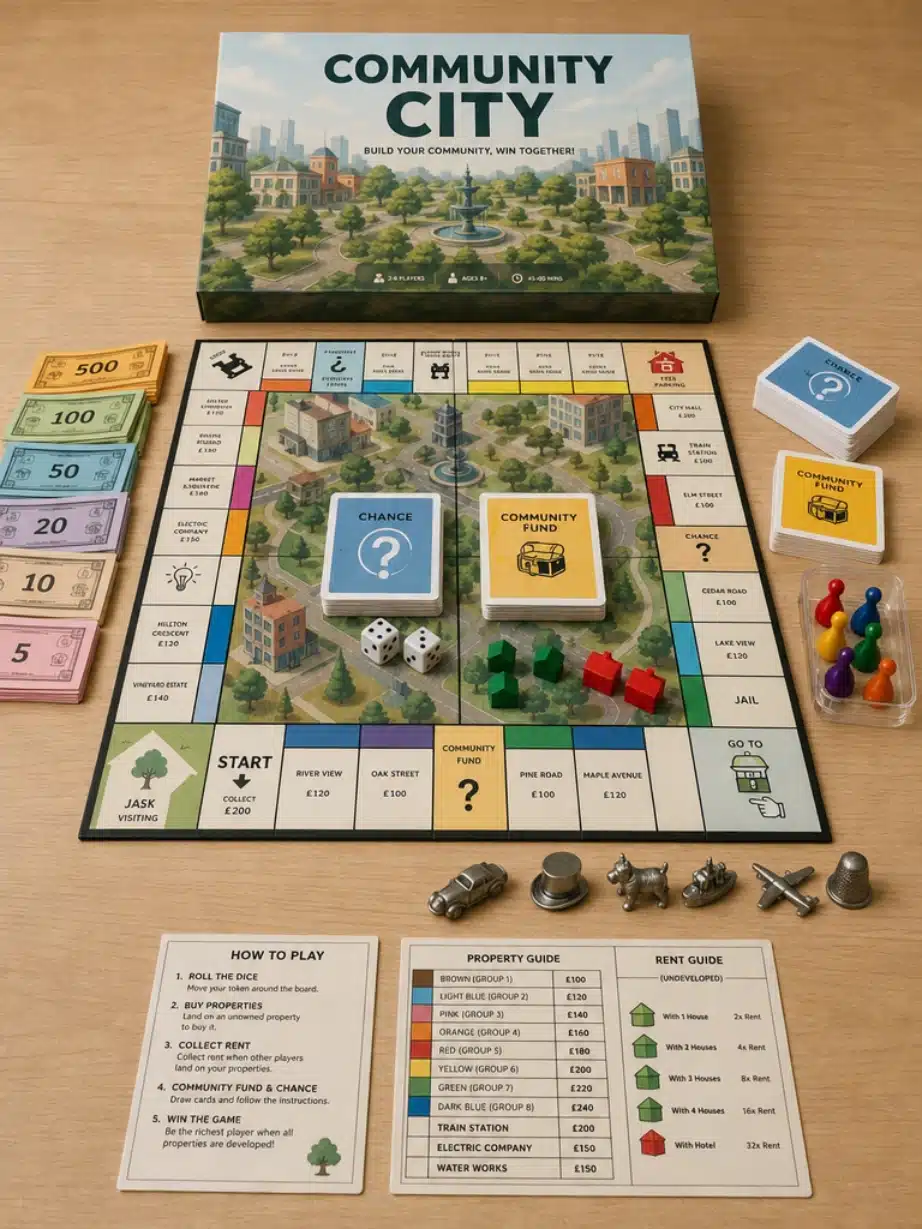
Board Game “Monopoly-Style Trading Game – U.S. Project”
A U.S. client brought this project to us in February. The game idea was already close to a Monopoly-style property trading game, but the physical parts were not ready for production yet. We made the first sample with a quad-fold board, paper money, pawns, dice and house tokens. The packing was adjusted once before the bulk order.
At the beginning we used standard game pieces first. No new mold at this stage. The client wanted to test the rules and artwork before putting more budget into custom parts. After sample approval, the same build went into a 3,000-set run. Before shipment, we also helped arrange SGS China testing for ASTM F963 / CPSC requirements for U.S. sales.
What we did: Quad-fold board, poker-size cards, paper money, pawns, house tokens, 16mm dice, SGS China test, 3,000 sets shipped.

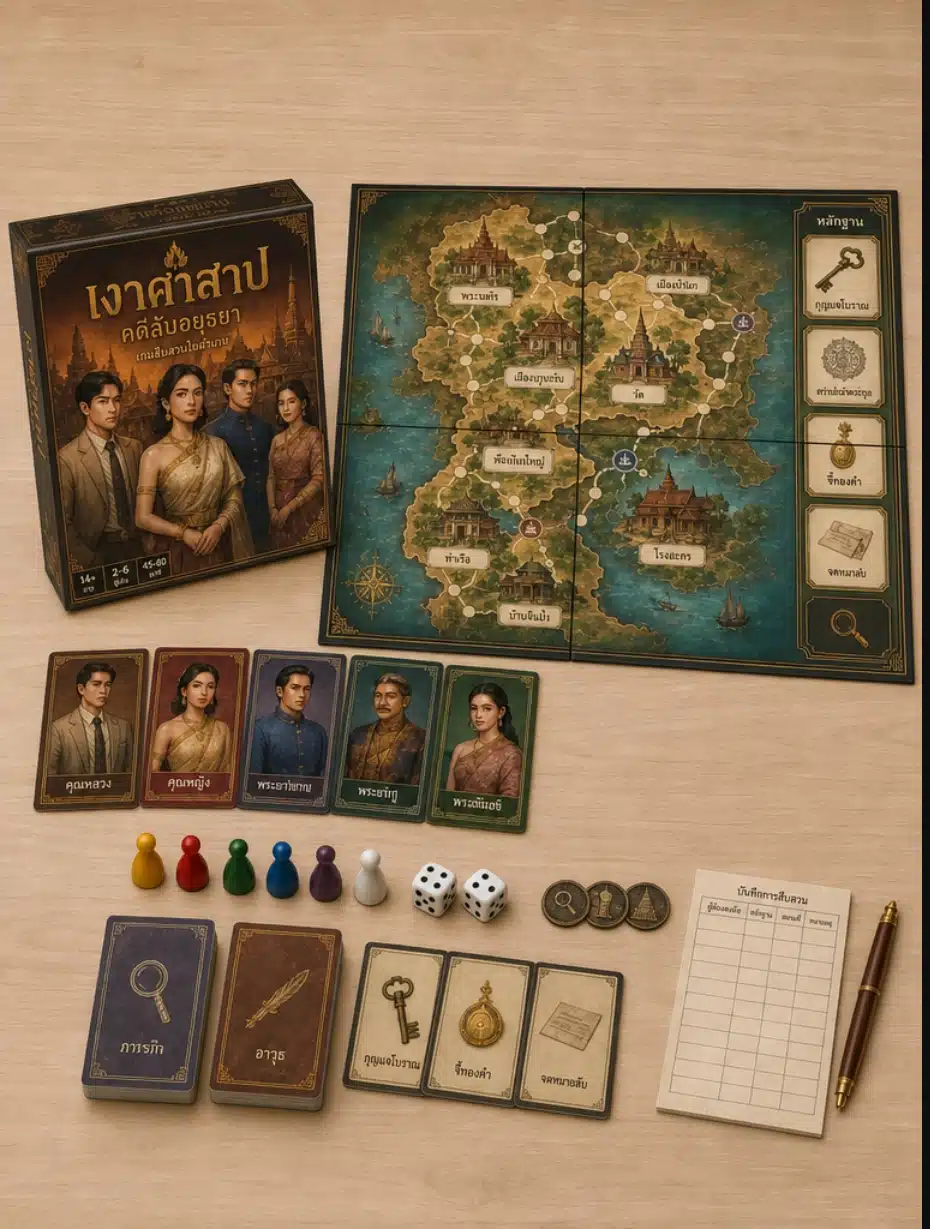
Board Game “Clue-Style Mystery Game – Thai Project”
A Thai client came to us with a mystery deduction board game idea. The rough direction was already close to a Clue-style game, but the physical parts were not ready for production. We helped fix the card groups and card quantity first, then prepared dieline templates for the cards, board and box.
The first images were made with AI, but some faces, rooms and board details were not suitable for direct printing. We helped the client find a designer in China to rebuild the artwork into printable files. Once the sample was approved, the same card count, board layout and packing structure was adopted for the bulk production.
What we did: Card groups, board dieline, box dieline, AI art redraw, sample set, bulk game packing.