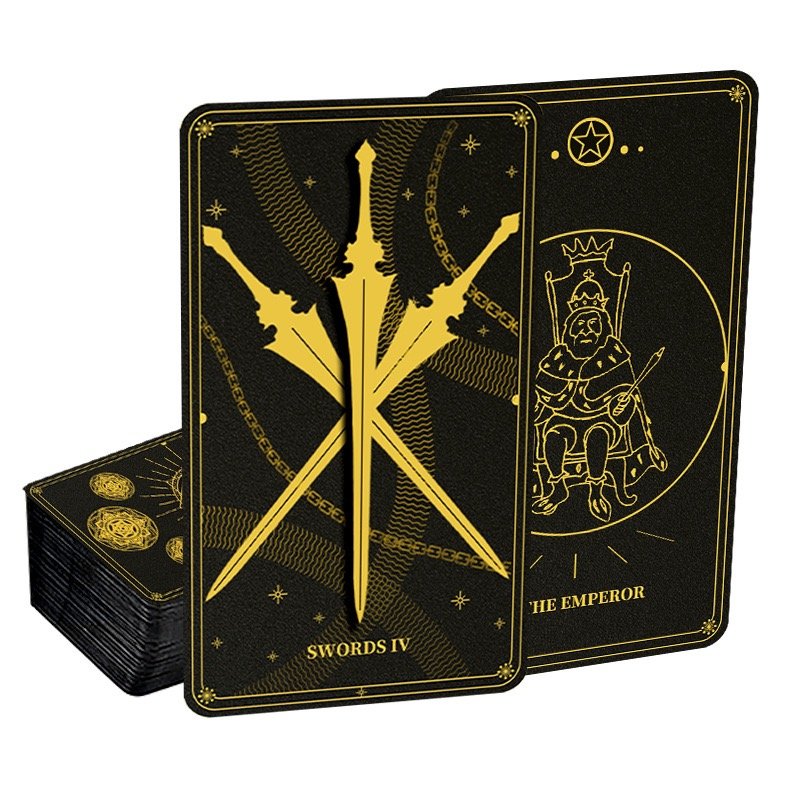

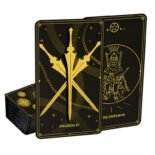
Round Corner Tarot Cards
For tarot cards, round corners are usually the practical choice, not just a visual one. The format is larger than poker size, so the corners take more abuse once the deck starts going through repeated handling, table layout, and re-stacking. If the sharp point stays there, it is usually the first place where the deck starts to look used.
Tarot decks are not normally shuffled as hard as poker cards, but they are handled again and again during actual reading use. That is enough for corner wear, light whitening, and small chips to start showing, especially on dark or artwork-heavy designs. Round corners do not change the stock itself. What they do is make the deck hold up better visually once it goes into regular use. For most custom tarot decks, that is still the safer place to start unless the project is being driven mainly by edge styling.
Price Range: $0.80 – $2.5 /per deck
Type | Round Corner Tarot Cards |
Number of cards per deck | from 18 up to 110 |
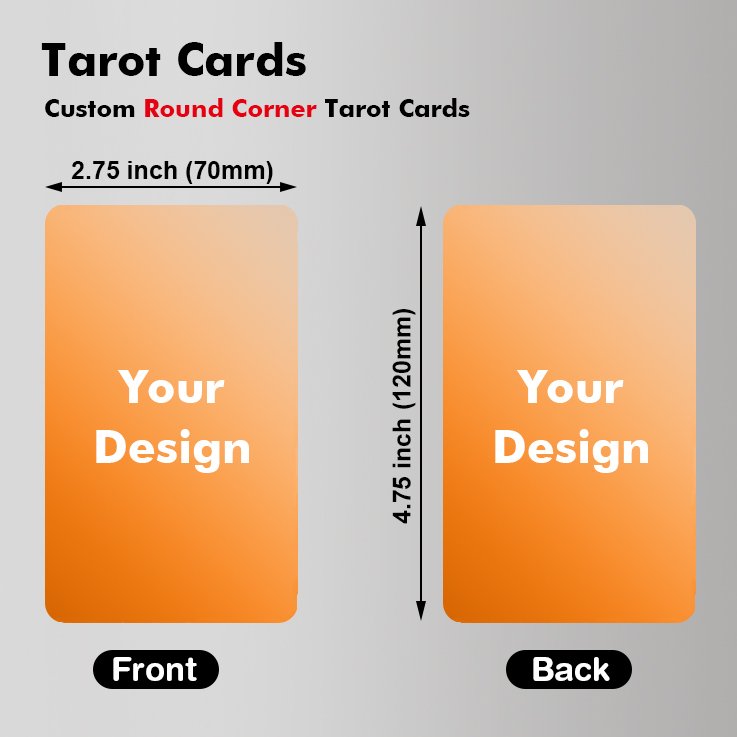
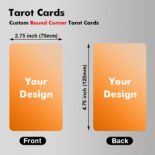
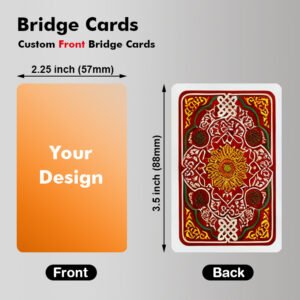
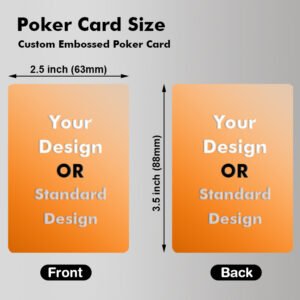
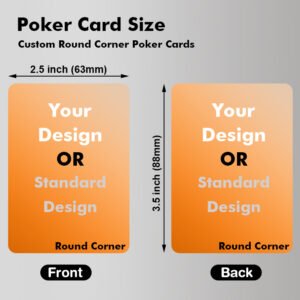
Playing card standard Dimensions | 2.75×4.75 inch / 70x120mm |
Customization | Each card can be customized individually both front and back as required |
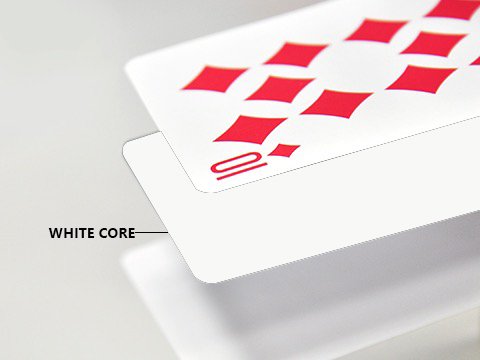
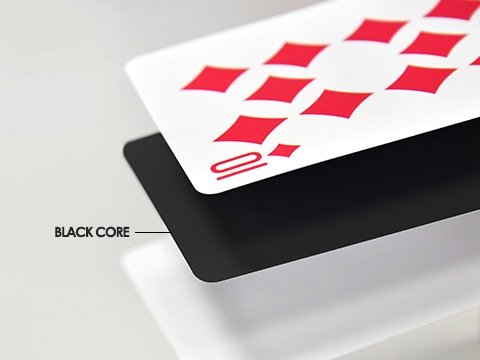
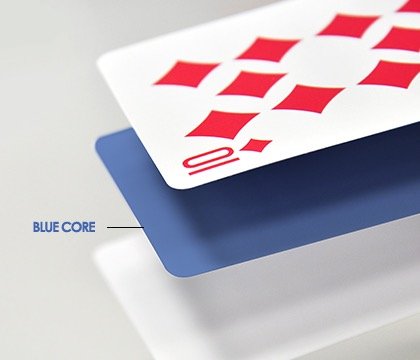
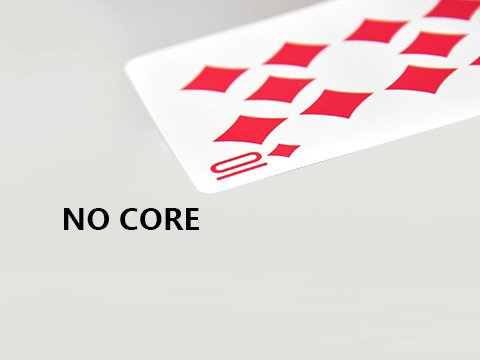
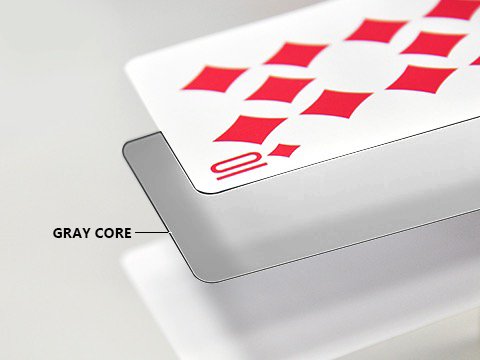
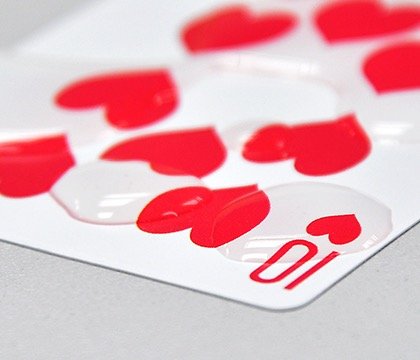
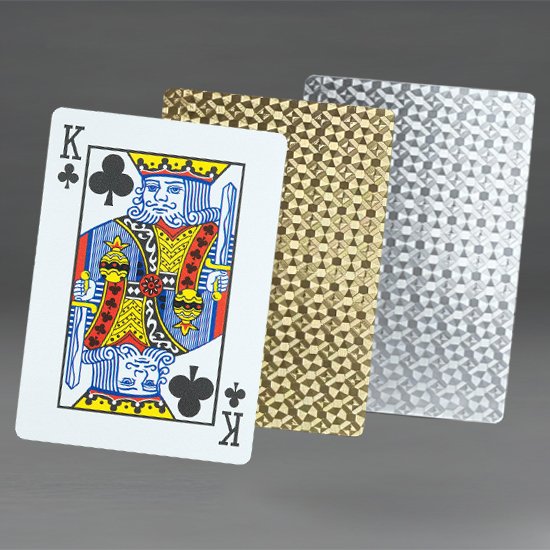
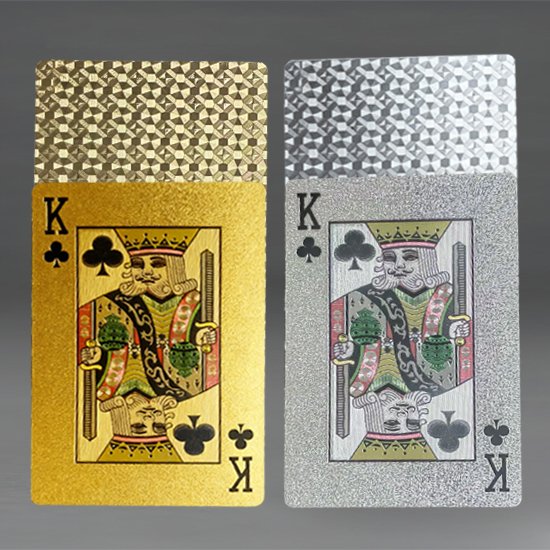
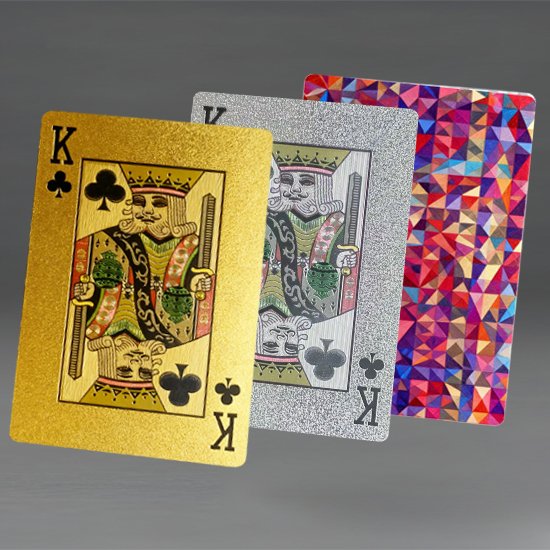
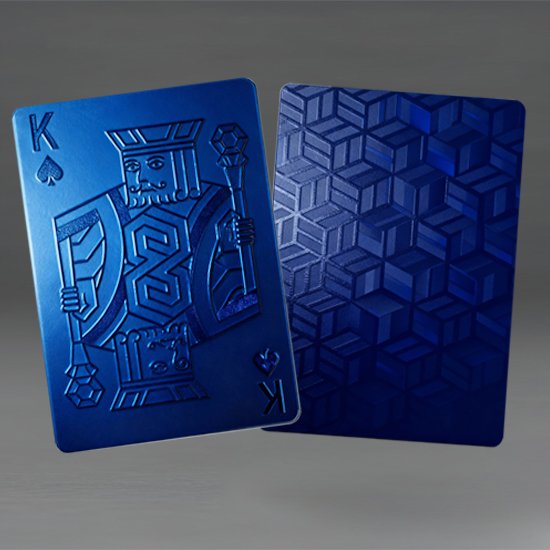
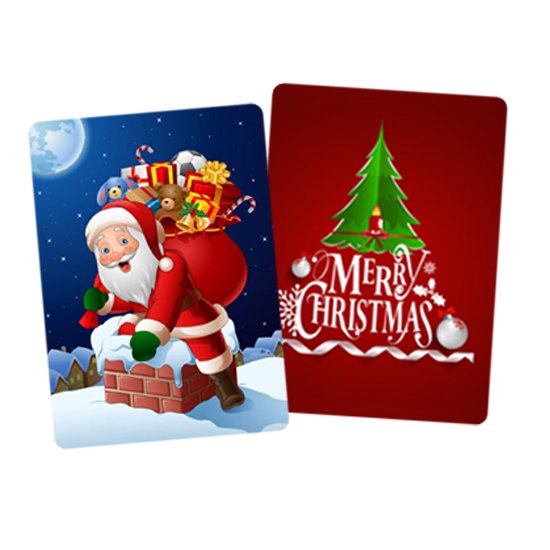



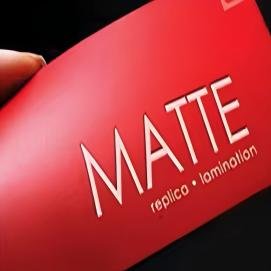
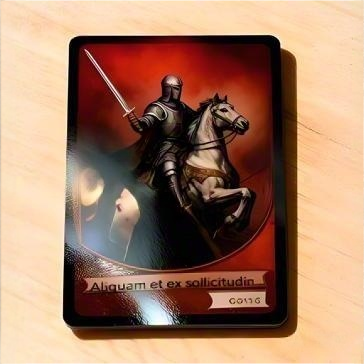
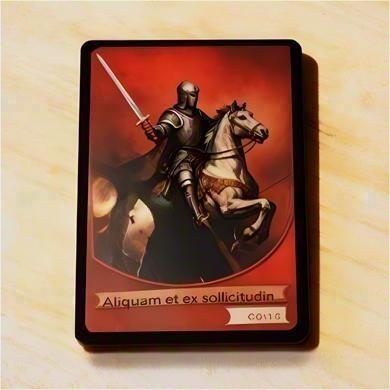
Card Layout & Artwork Setup
Artwork setup is not a visual step — it defines how tolerant the deck is in production.
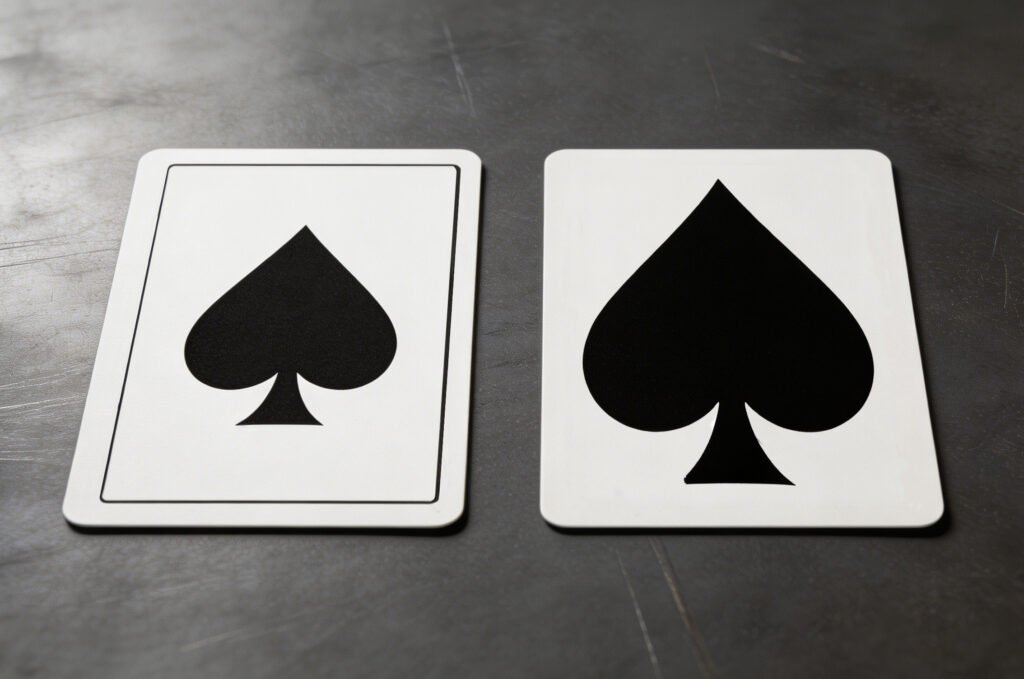
Most alignment issues are not printing defects. They come from layout decisions made too early, before production limits are considered.
Thin borders, centered frames, or front-to-back positional matching all reduce tolerance. Even normal cutting variation becomes visible under these conditions.
These problems rarely show in the first sample. They appear later — during full production or repeat runs.

Layout determines tolerance.
Full bleed hides variation. Centered layouts reveal it.
Most “misaligned cards” complaints come from border design, not printing accuracy.
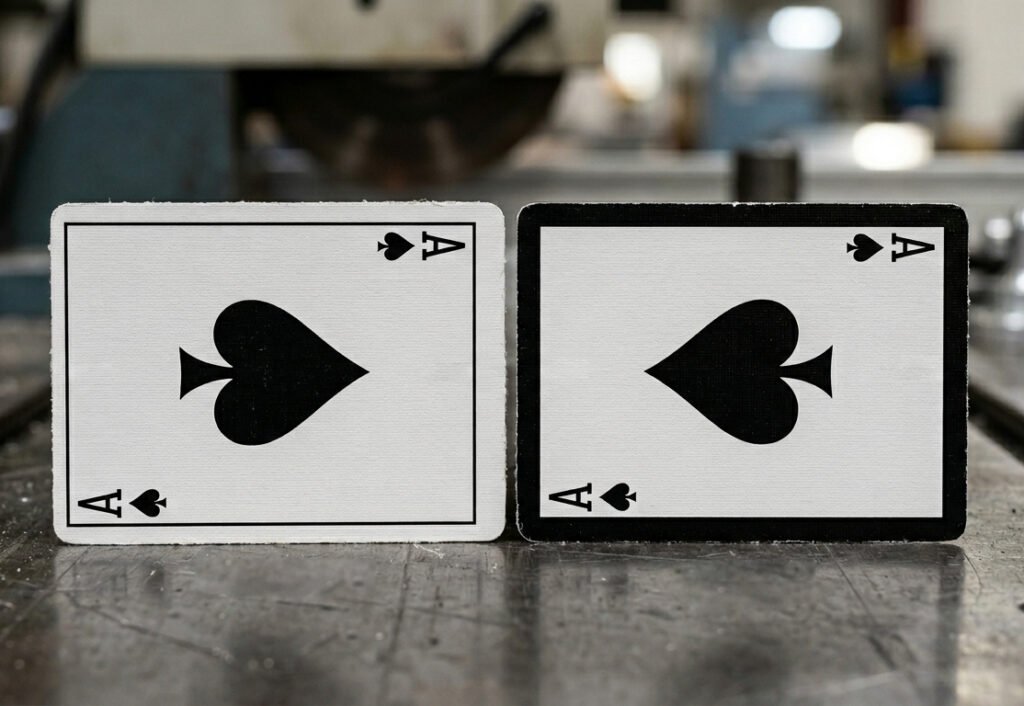
Custom Round Corner Tarot Cards — Smooth Handling, Timeless Feel
The benefit of round-corner tarot cards does not show at the first sample. It shows after the deck has been handled for a while.
Tarot cards are larger than poker cards, so the corners take more abuse once the deck starts going through repeated readings, table layout, gathering, and re-stacking. If the sharp point stays there, that is usually where the deck starts to look used first. Round corners help take that pressure off the tip, so edge wear, light whitening, and small chips build up more slowly.
This also matters more on tarot than many clients expect. The format is larger, the artwork often runs darker or more detailed, and once the corner starts to wear, the used look becomes visible quickly. Round corners do not change the stock itself. What they do is make the deck hold up better visually once it goes into regular use.
From the production side, round corners are also the easier default. The tooling is standard, the cut is more predictable, and the finished deck is less likely to start showing corner-related wear too early. That matters even more when the project may come back for repeat production, because the structure is already working with a format the factory handles every day.
Another place where problems start is the artwork setup. Designers sometimes build borders, icons, or text too tightly into the corner and assume a smaller radius than the production die will actually use. When that happens, the corner can feel visually tight or slightly pushed in after cutting, even though the cut itself is correct. The problem is usually not at the finishing stage. It starts in the layout file.
For tarot decks that are meant for regular readings, retail sale, educational use, or spiritual products that will be handled again and again, round corner is still the safer place to start. Where it becomes less necessary is in collector or art-led projects that are being driven mainly by edge style. In those cases, a sharper corner may support the look better, but that is a visual decision, not a durability one.
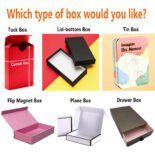
Delivery packaging
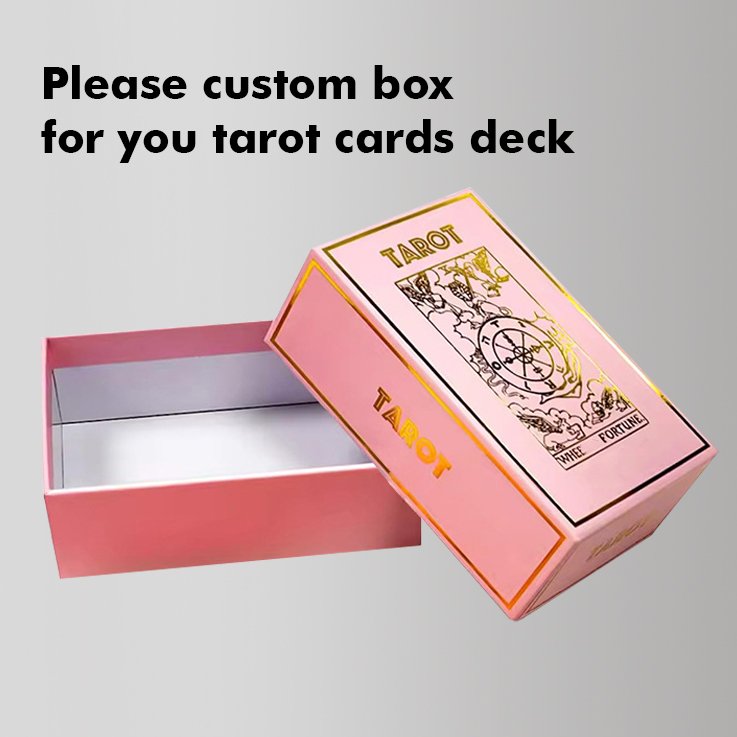
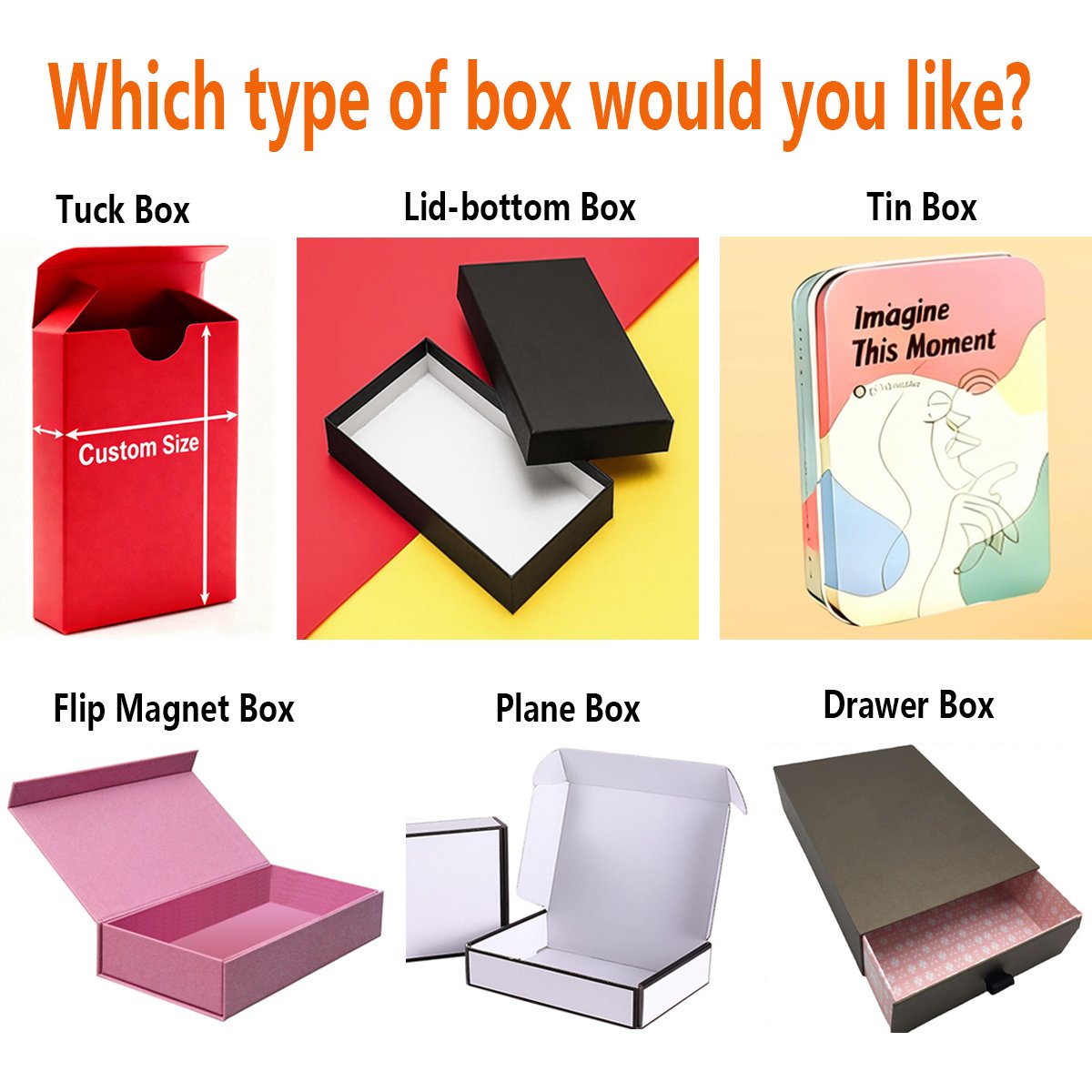
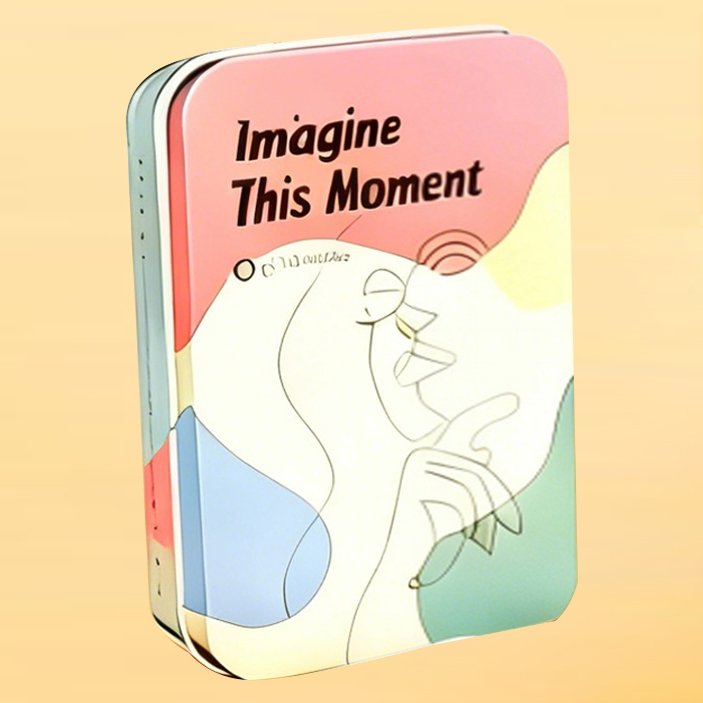
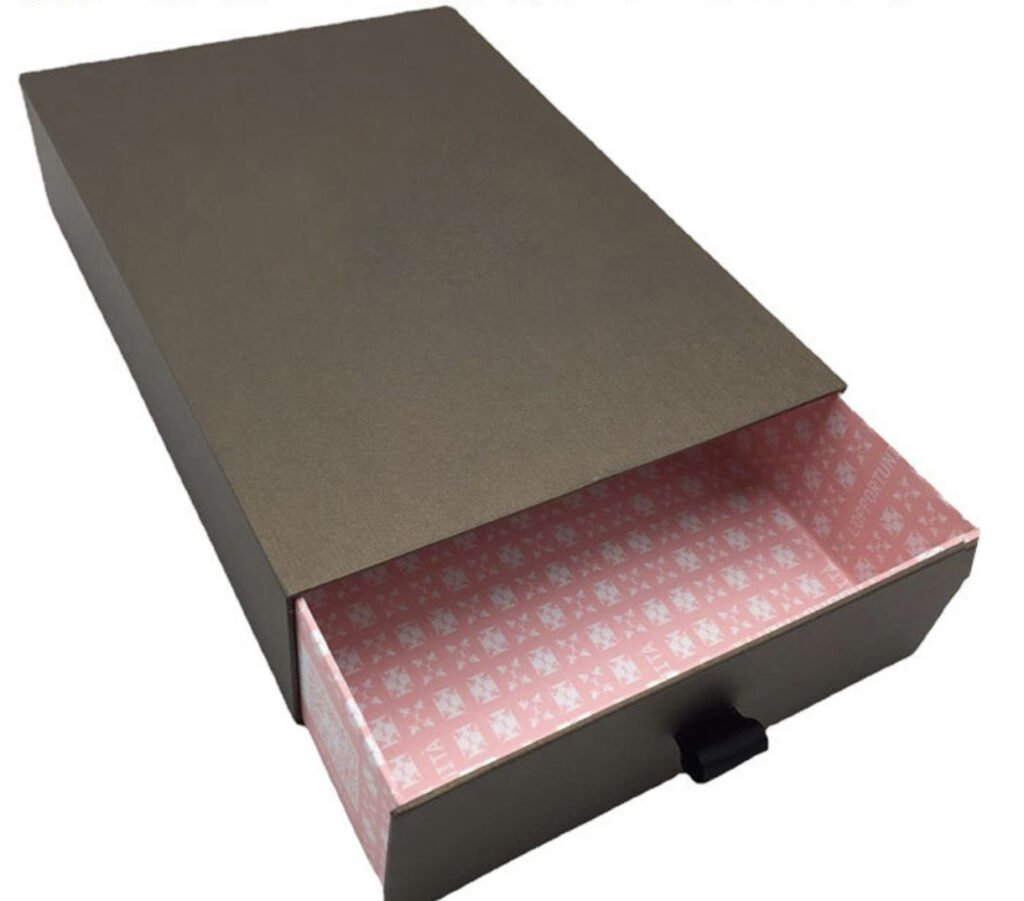
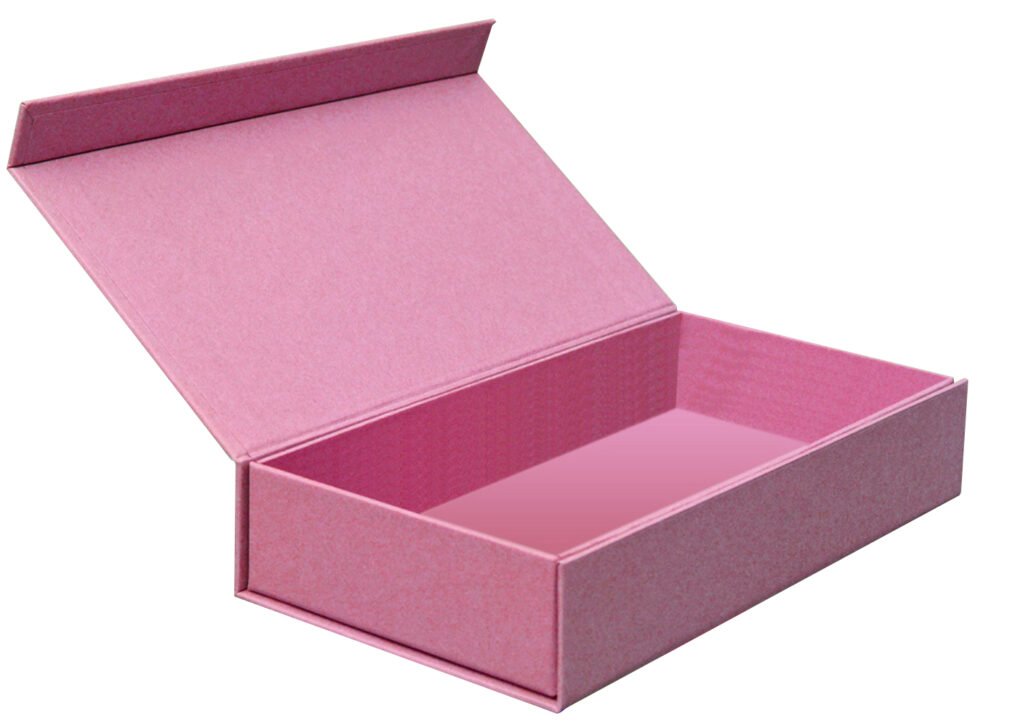
card deck individually shrink-wrapped if no packaging is chosen. Paper card band used for cards if a cardboard box is chosen apart from tuck box and plastic card band used for cards if plastic box is chosen. Uncut sheets are rolled up and put into a hardened tube.

Tin Box 
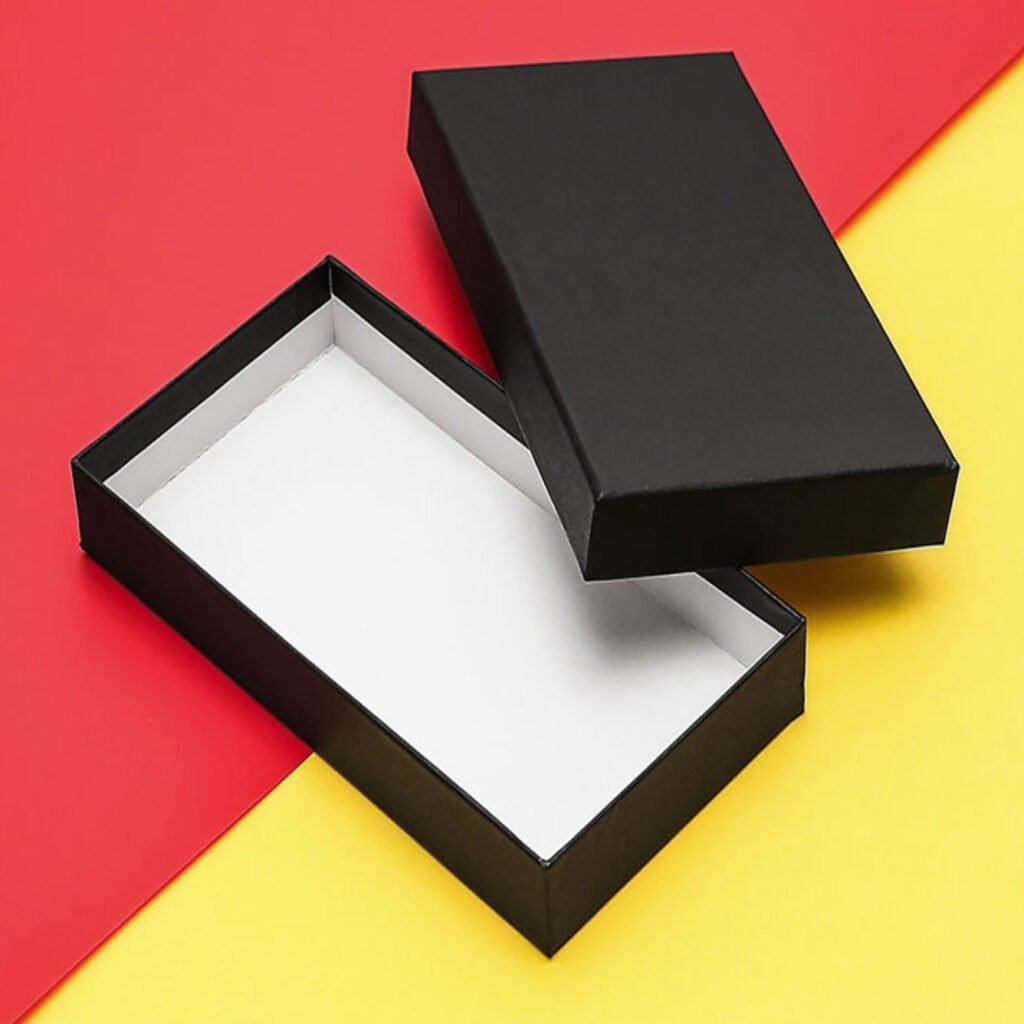
Drawer Box 
Flip Magnet Box 
Lid-bottom Box 
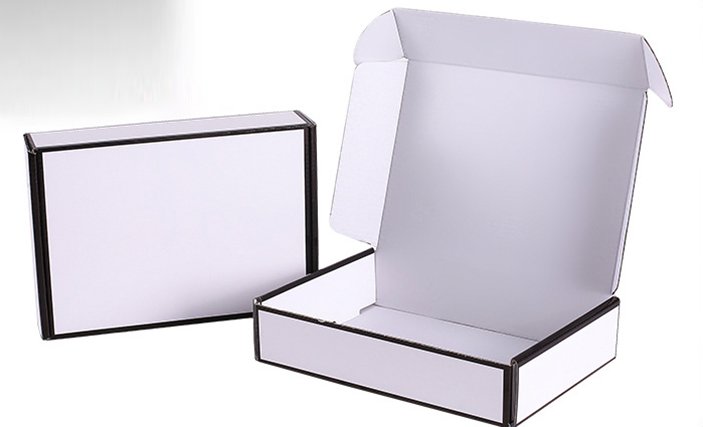
Mailer Box
Customization details
About us
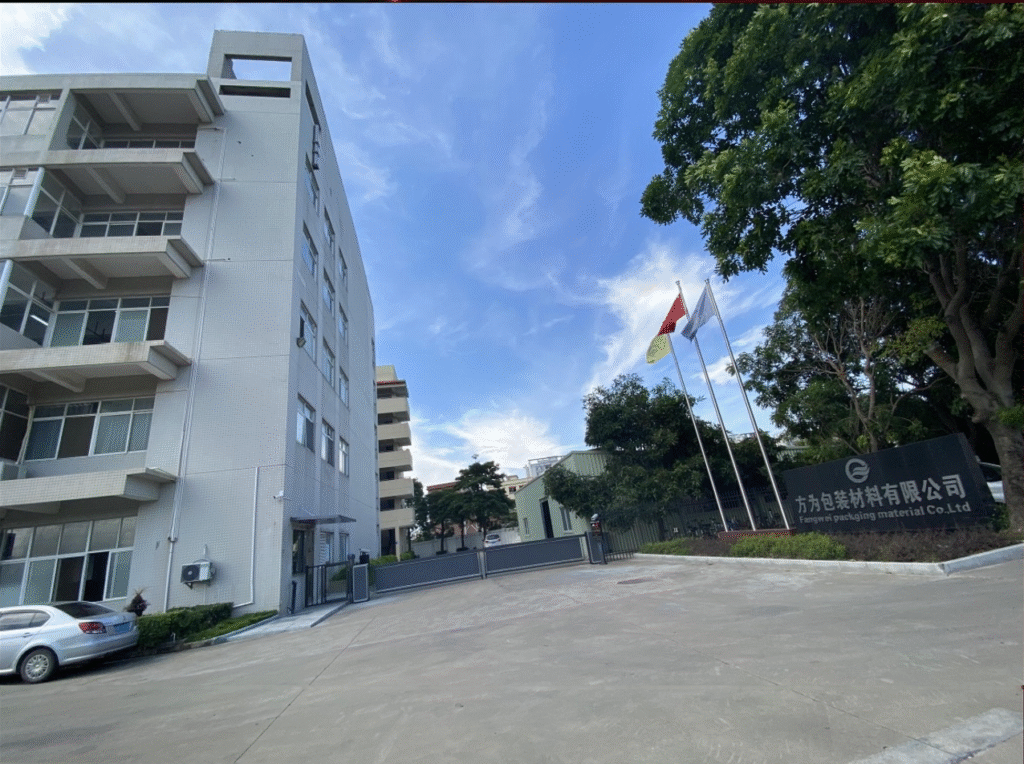
Since 1999, Dongguan Funway has been the trusted ODM/OEM expert for brands seeking top-quality custom board games, card games, puzzles, and packaging solutions. We bring creativity to life through integrated one-stop services—including design, prototyping, manufacturing, and after-sales support—ensuring a seamless, end-to-end experience.
Our major clients include Mason Technologies, Carrier, and Kidde. Our products are featured on the shelves of major retailers such as Walmart, Amazon, Home Depot, Menards, and Costco.







1,638+
Commercial Projects
who we are
Your ultimate board game manufacturer
Dongguan Funway has been the trusted ODM/OEM expert for brands seeking top-quality custom board games, card games, puzzles, and packaging solutions. We bring creativity to life through integrated one-stop services
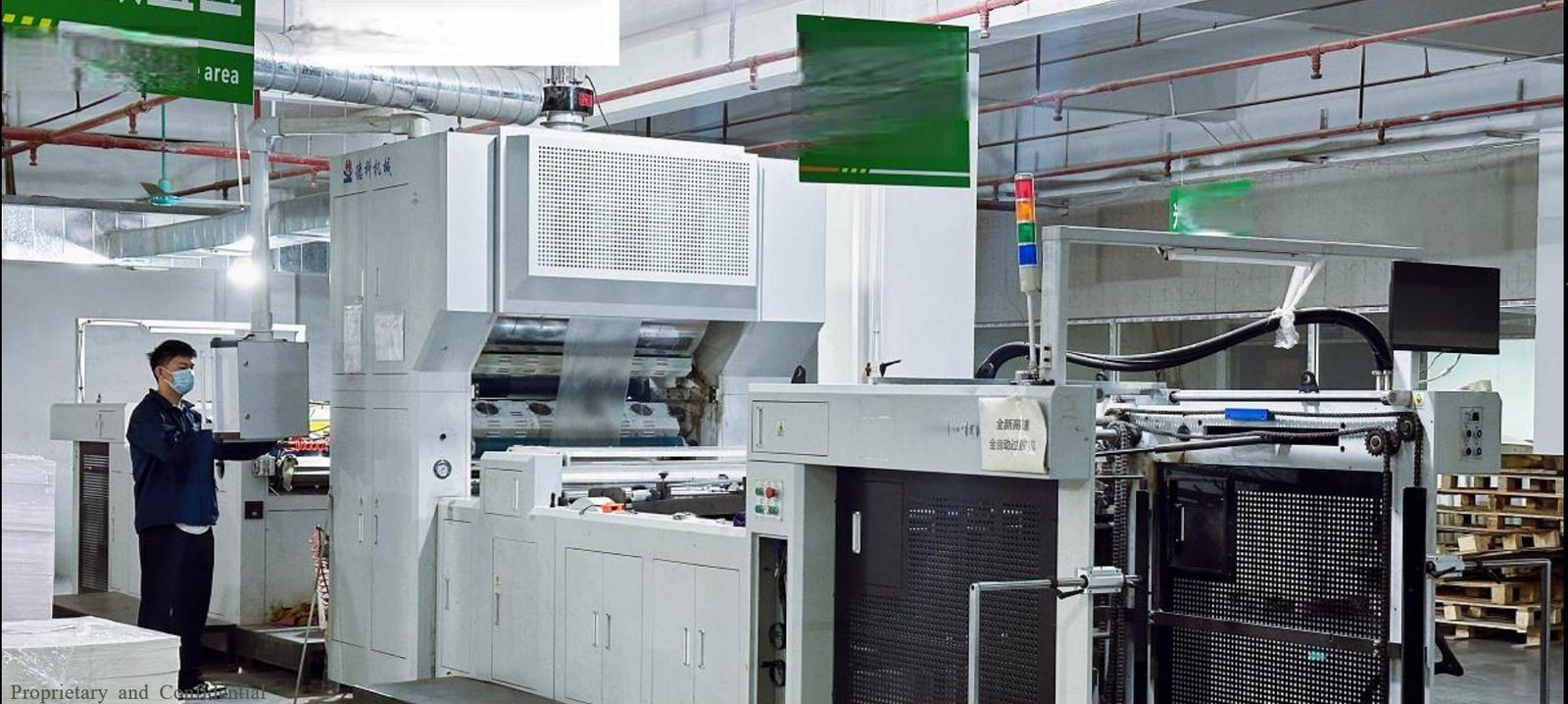
Our factory is equipped with over 16,000+ sqm dedicated facility and 200+ skilled team members. We have a ready mold here to meet your specific needs.
Call US
+86 135 7085 3827