
How to Lower Board Game Manufacturing Price Without Cutting the Wrong Things
A lot of teams ask the wrong question first. They ask how to get a cheaper quote. What they usually need is a cleaner cost structure.
That is the difference between chasing a lower number and actually reducing board game production cost. The first usually happens after the product is already overbuilt. The second starts earlier, while the structure is still flexible.
Most games do not become expensive because one material choice was terrible. They become expensive because the project moves through the wrong order. The card format becomes custom too early. Decorative components outstay their welcome and turn into expensive bloat. The quantity stays in a weak pricing band. The box gets larger than the packed product really needs. Then the quote comes back high, and the team starts cutting the wrong things.
That is usually where quality gets damaged for no useful reason.
This is not another general pricing article. It is a factory-side correction article.
The question here is simple:
When you need to lower board game manufacturing price, what should you change first, and what should you stop cutting first?
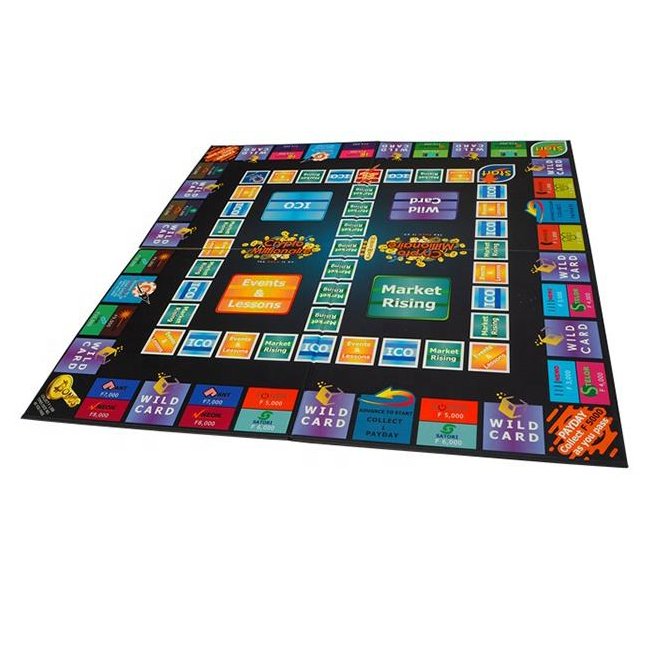
Custom Game Boards
Most Cost Reduction Fails at Step 2, Not Step 5
Most projects do not become expensive because one visible choice went wrong. They become expensive because the sequence went wrong.
A typical bad sequence looks like this:
custom shape first, custom plastic next, generous box later, low quantity after that, then panic when the quote lands.
That order usually pushes the project toward weak savings. Teams start thinning the box, softening the board spec, or downgrading card feel while leaving the earlier cost mistakes untouched.
The stronger sequence is less exciting, but more useful:
- First, standardize the format.
- Then remove low-value custom parts.
- Then move the project into a healthier MOQ band.
- Then reduce dead air inside the box.
- Only after that should you touch visible quality.
That is the sequence that usually answers how to lower board game manufacturing price without making the product feel cheap in hand.
Start with Standardization, Not Material Downgrades
If the gameplay does not depend on a special format, standard sizes usually win.
That’s not a design opinion—it’s just how the math works on the factory floor.
Look at cards. A standard 63 × 88 mm poker-size card behaves like a known manufacturing object. It imposes cleanly, rounds cleanly, packs predictably, and creates fewer finishing problems. Standard means predictable, and on the shop floor, predictable keeps the line moving.
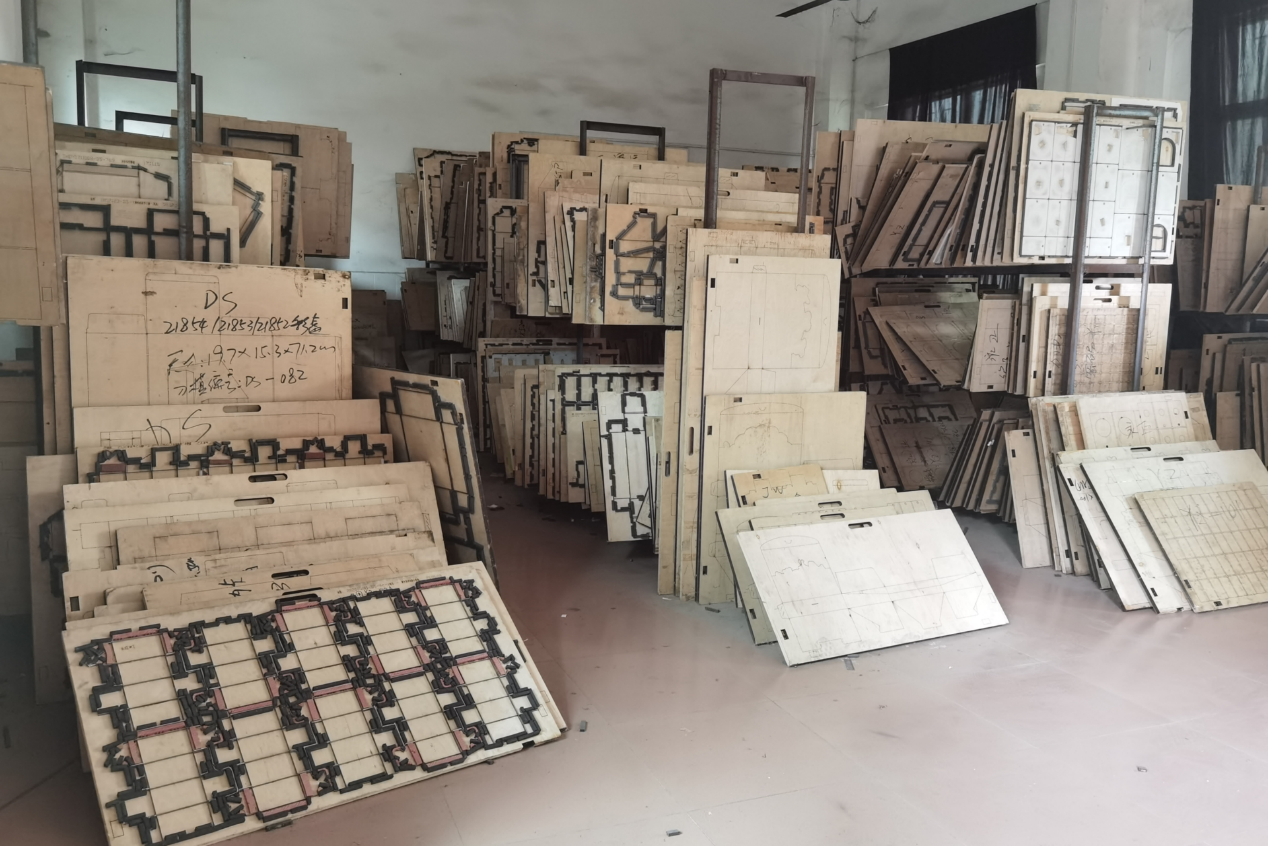
When you go custom, the die fee is actually the least of your worries. The real penalty is usually worse sheet utilization, more finishing sensitivity, and more handling friction during sorting and packing.
That is the part many teams miss. They see one tooling line and think that is the whole premium. It rarely is.
So the first question should not be: “Do we like the custom shape?”
The first question should be: “Does the game actually lose function without it?”
If the answer is no, stay standard.
That is one reason cheap board game printing is often the wrong target. The print line is not always where the money is leaking. In many projects, the money is lost earlier through avoidable non-standard structure.
There is a boundary here. If the product identity really depends on a special silhouette, or the special shape helps the gameplay work, then keep it. Just treat it honestly. It is not a small visual upgrade. It is a structural cost decision.
Replace the Wrong Custom Parts Before You Touch Print Quality
This is where a lot of projects go sideways.
Teams protect every custom component, then try to recover cost by weakening printed parts. That usually creates the wrong result: the game feels cheaper, but the expensive decisions are still there.
The better move is to challenge the wrong custom parts first.
Custom plastic is often the easiest place to start. For small and mid-volume runs, a custom molded piece can add cost much faster than it adds gameplay value. Not always. But often enough that it should be challenged early.
If a piece mainly needs to be counted, claimed, moved, or identified, a custom plastic part is often doing too much work for the budget.
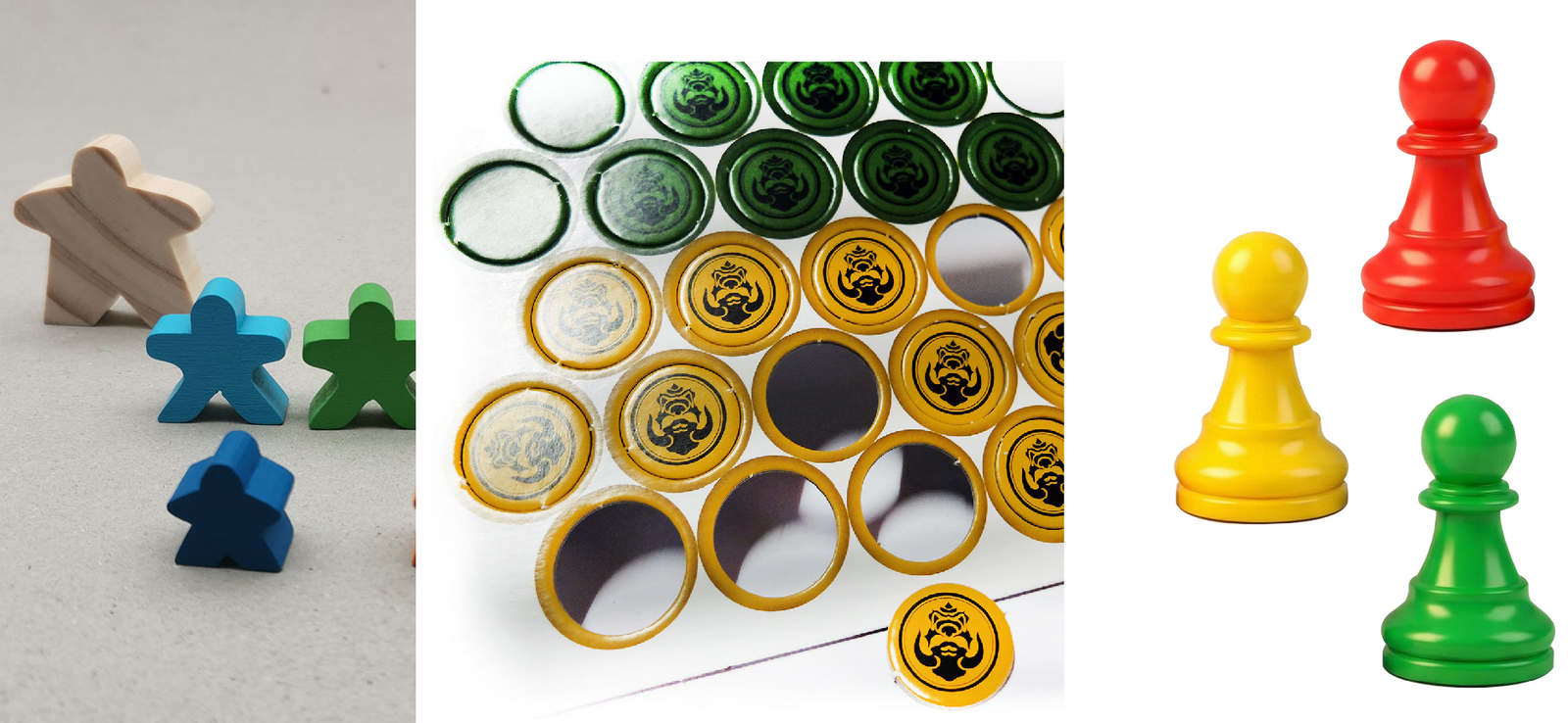
This is where wood meeples and thick greyboard become more useful than many first-time buyers expect.
A standard wood meeple is not automatically a downgrade. In many boxed games, it is the cleaner manufacturing decision. It packs well, reads clearly on the table, and avoids a lot of cost that has nothing to do with gameplay.
The same is true for thick greyboard tokens. A 1.5 mm or 2.0 mm greyboard token can replace more custom plastic than many teams assume, especially when the graphics are already doing most of the communication.
The right question is not: “Which part looks more premium by itself?”
The better one is: “Which part carries the game with less manufacturing drag?”
Use custom plastic when the part is central to sculpted identity, mechanical fit, collector value, or the commercial promise of the game.
Use wood or greyboard when the part mainly needs to function well and pack efficiently.
If your project does include molded pieces, keep that discussion in its own lane.

Custom Game Miniature
Why 1,000 Units Is Usually the First Real Price Break
People ask about MOQ for board games as if MOQ is mainly a supplier rule.
It is not. It is mostly a cost-behavior issue.
The real question is not “What quantity can be accepted?” The more useful question is: “At what quantity does the price start behaving like production instead of setup?”
For many standard boxed games, that point is around 1,000 units.
That does not mean every project should order 1,000. It means a lot of fixed preparation still sits too heavily on 300 or 500 units. Press setup still exists. Die-cut setup still exists. Packing-line organization still exists. The product still has to become manufacturable even when the run is small.
That is why 300 units often feels worse than people expect. The quote is not only carrying production. It is still carrying too much preparation weight.
So the factory-side judgment is usually straightforward:
- 500 units is often where feasibility begins.
- 1,000 units is often where the unit price starts making more sense.
- 3,000+ units may unlock another round of optimization.
There are exceptions. Heavily manual projects, mixed-material assemblies, or awkward packing structures can still behave badly at 1,000. But for a large share of card-and-board games, 1,000 is the first quantity where the price stops being overly distorted by setup.
That is why trying to save a 300-unit project by weakening the product is usually the wrong fix. A better fix is often to check whether the project should be evaluated in a stronger quantity band first.
Box Size Is a Freight Decision Disguised as Packaging
Box design gets discussed too late in too many projects.
Teams spend time on card count, accessories, and finish direction, then leave the box slightly oversized “just to be safe.” That sounds harmless. It usually is not.
A box that is too large is not only a packaging issue. It becomes a freight issue, a carton issue, and sometimes a warehouse issue.
The real cost is not just the box itself. The real cost is what the larger box does downstream: fewer units per carton, weaker pallet use, more empty volume, and worse container efficiency.
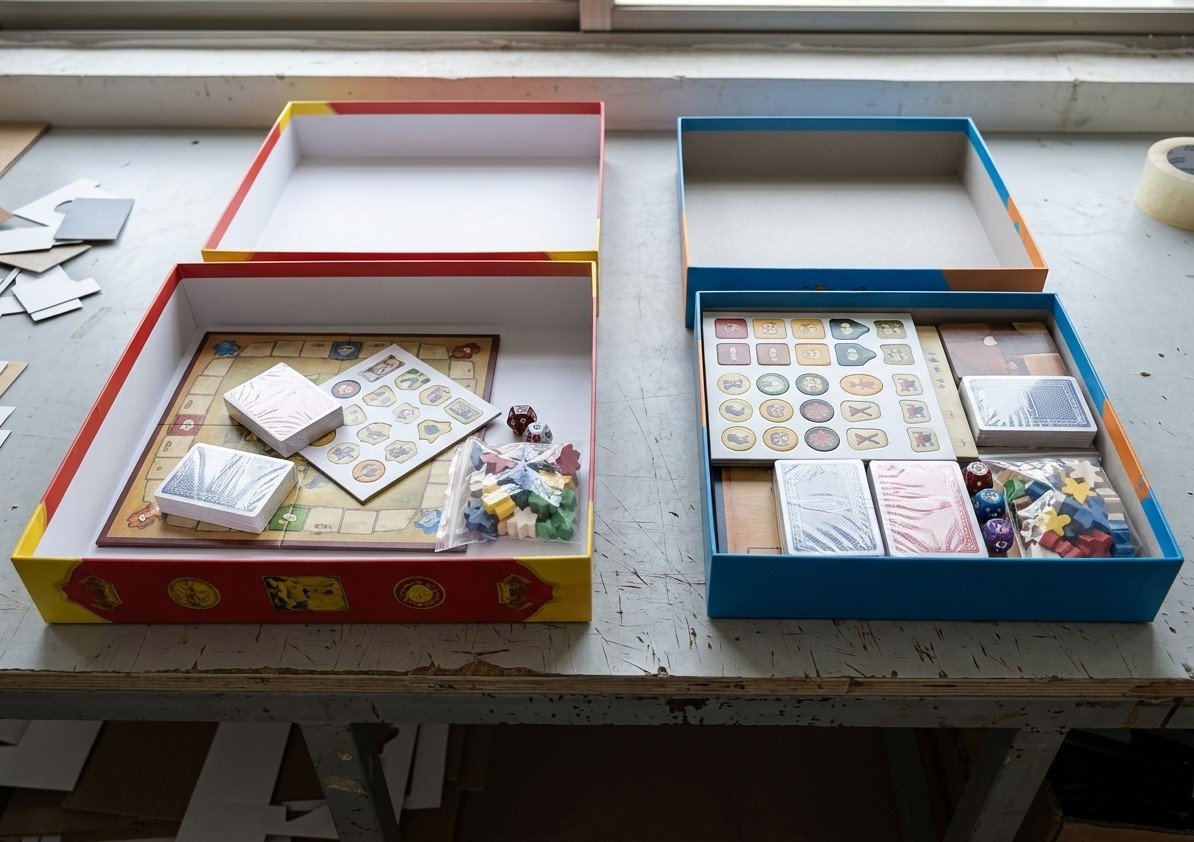
That is why dead air is expensive.
Trimming 40mm off a box might look like a minor tweak on your desk, but the math changes fast once you’re loading master cartons. Shifting from a 305mm rigid box down to a 265mm build is often the difference between shipping product and shipping air. On a full container, that ‘small’ adjustment is what saves your margin.
So the practical rule is simple:
Do not size the box around visual comfort.
Size it around the folded board, the real deck height, and the actual packed component volume.
The term that matters here is carton efficiency. It is not pretty wording, but it is the right one. Better carton efficiency usually saves more honest money than cutting visible print quality.
That is another reason cheap board game printing is often the wrong target. In many projects, the bigger waste is not in the print finish. It is inside the box.
What Not to Cut First
When cost pressure appears, some parts of the product should survive longer than others.
- Do not start by cutting the parts that make the product physically stable.
- Do not begin with weaker box walls.
- Do not begin with unstable board construction.
- Do not begin with card material that creates obvious opacity or handling issues.
- Do not begin with an insert that technically fits but behaves badly in repeated packing.
Those are weak savings.
A game rarely becomes commercially stronger because the board feels thinner or the box feels less solid. More often, those cuts create a product that packs worse, ships worse, or disappoints faster in hand.
The safer approach is less exciting, but more reliable:
- Keep the load-bearing quality.
- Cut unnecessary customization.
- Move the project into a healthier MOQ band.
- Compress the box before you weaken the structure.
That is not elegant marketing language. It is just what usually works.
Warning Before You Use This Logic Blindly
This cost logic works best for games that still have room to standardize.
It works well for card-driven games, board-and-token systems, and mainstream boxed products where the structure is still flexible enough to optimize.
It works less well when the product identity depends on sculpted hero pieces, deliberately oversized presentation, or packaging that is supposed to sell the object before the game is even opened.
There is also a practical limit here.
If your card counts are still moving, your component hierarchy is still changing, or the packed structure is still unstable, then this article is not the answer yet. At that stage, you are still discovering design-stage constraints. Cost optimization before structural stability usually creates noise instead of savings.
And one more warning matters here.
If the team is trying to lower cost mainly by cutting visible quality while leaving the earlier expensive decisions untouched, the model is already broken.
The better question is not:
“How do we make this cheaper?”
The better question is:
“Which part of this product is expensive without earning its place?”
That is usually where the real savings begin.