Trusted by 2,000+ clients worldwide since 1999
Custom Board Games, Cards & Puzzles — Manufactured to Your Design
One-stop OEM/ODM factory for poker cards, tarot decks, jigsaw puzzles, board game and components, and premium packaging. No MOQ for standard product. Free Sample Available. Quote in 24 hours.
25+
Years
5,000+
Projects
2.3M
Products Sold
25+
Years Manufacturing
2K+
Global Clients
16,000m²
Production Facility
Zero
MOQ (Standard Product)
Product Catalog
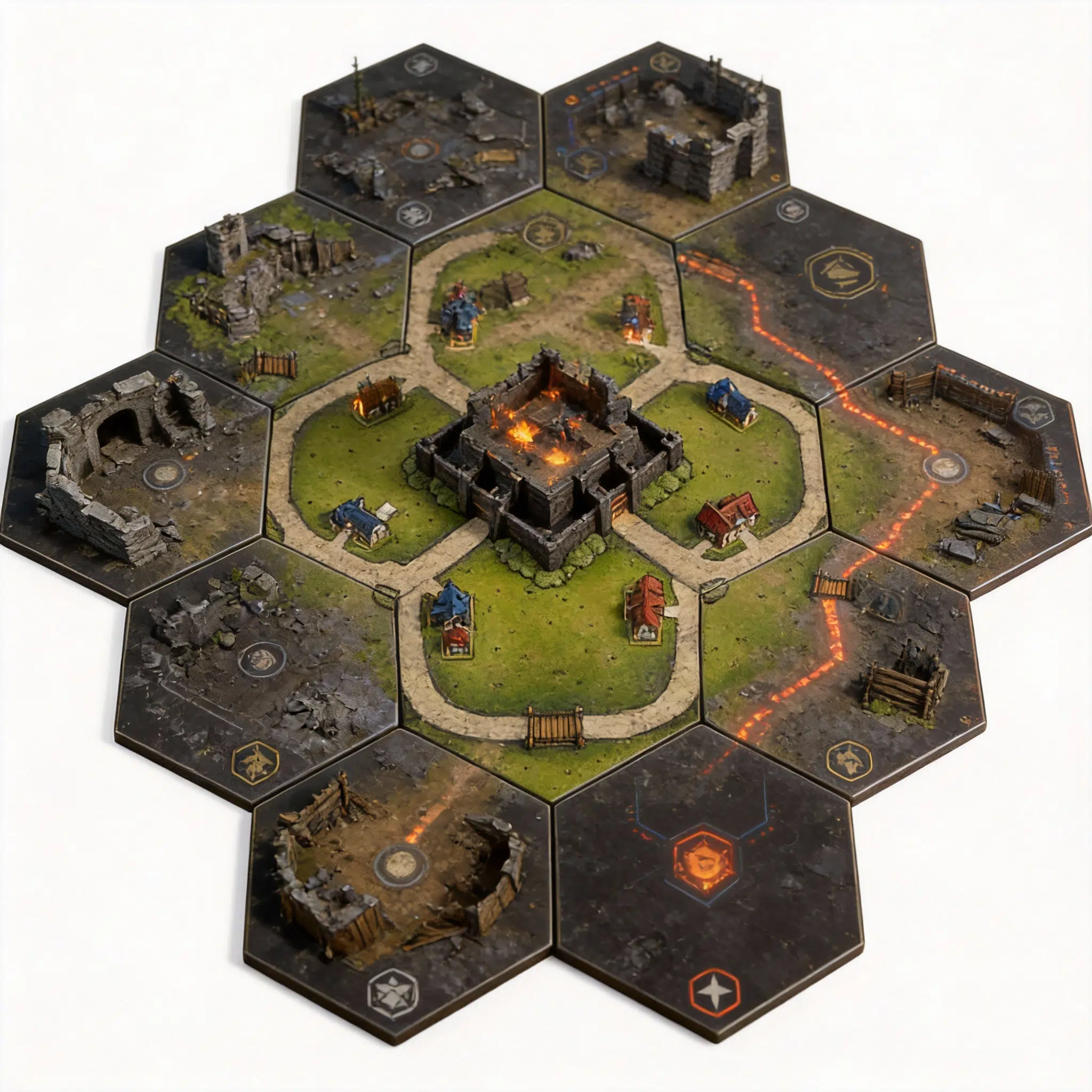
What We Can Customize for You
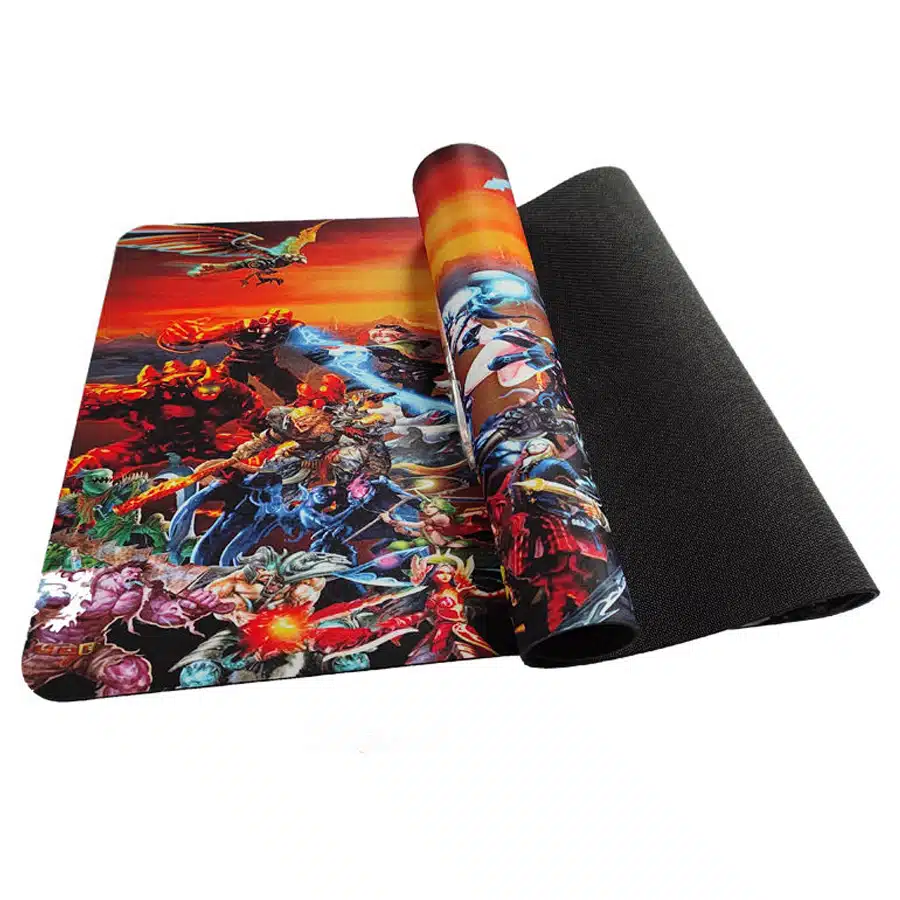
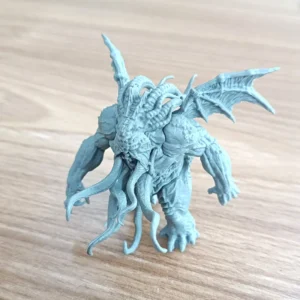
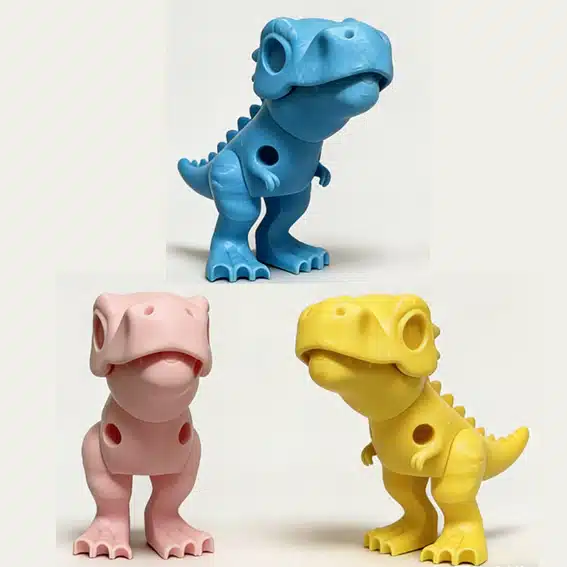
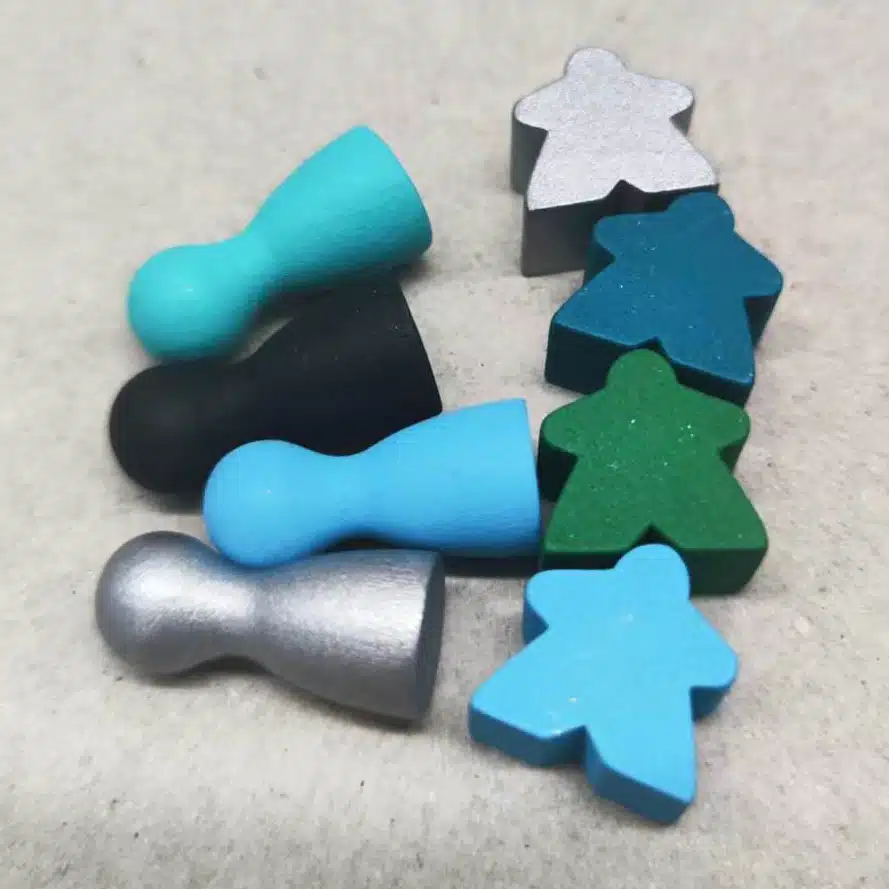
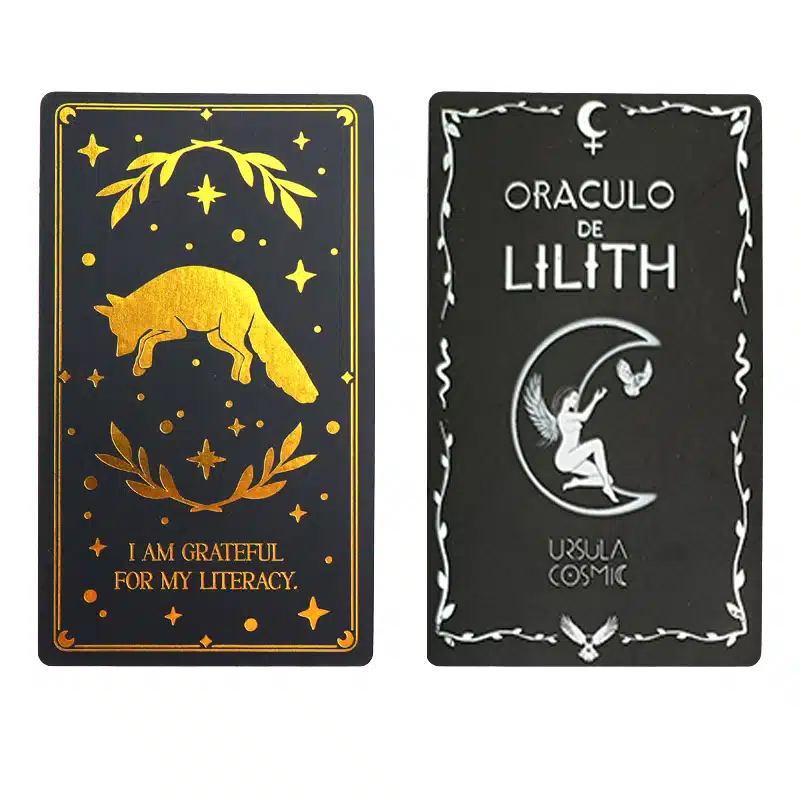
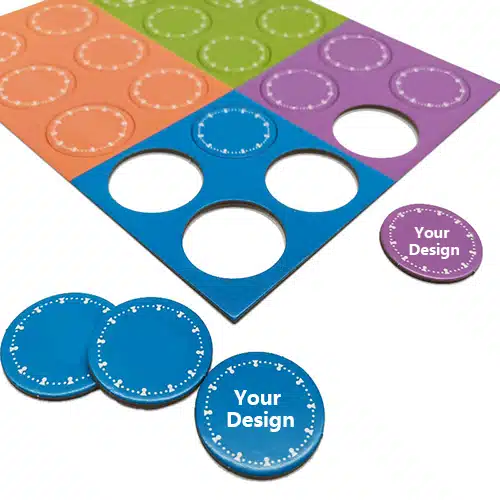
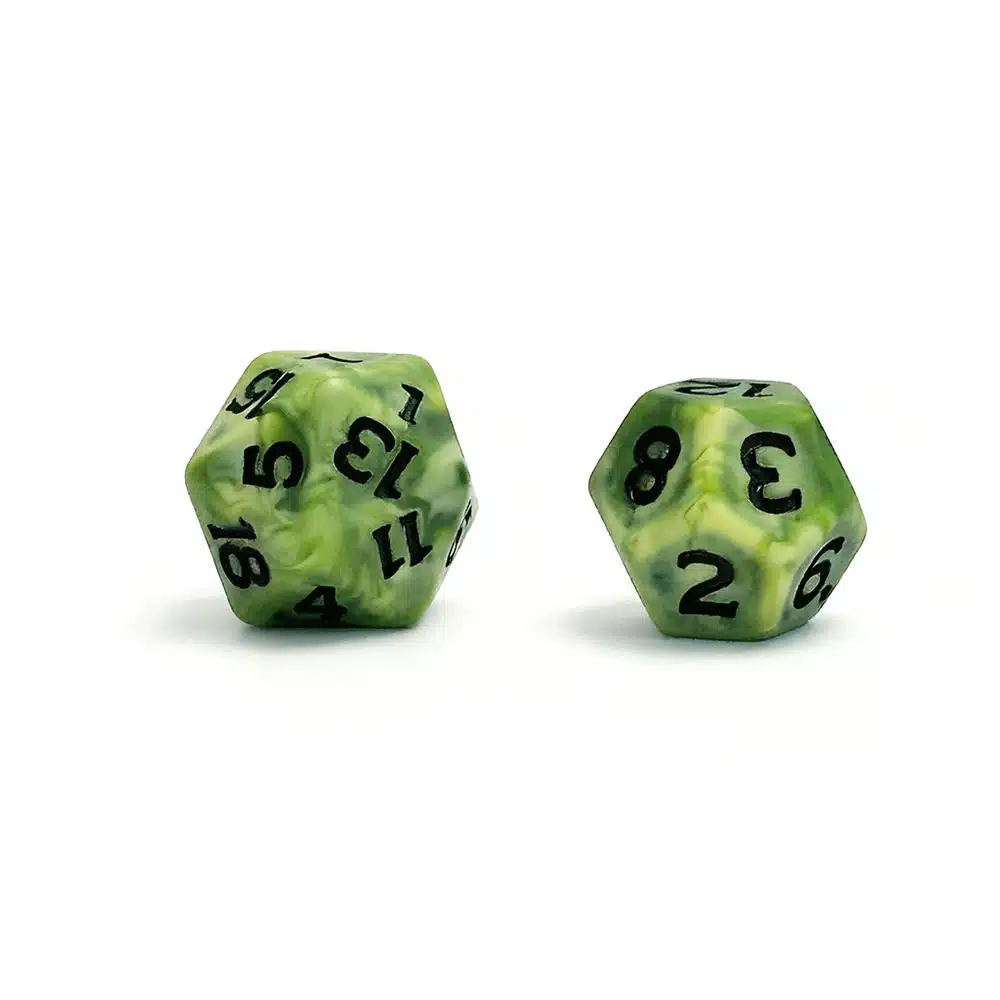
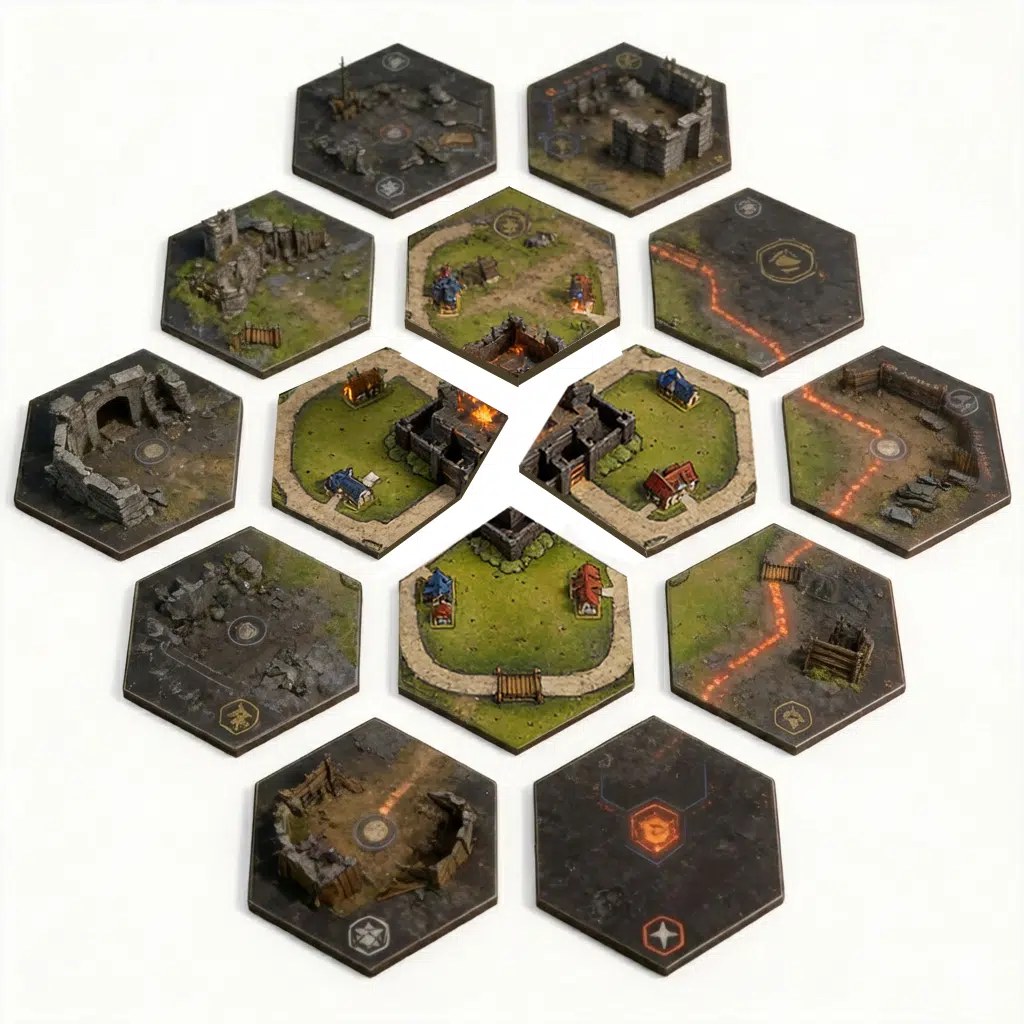
Click on any category below to explore all the customization options available. From cards to complete board game sets — we manufacture every component.














100-500 Pieces (Kids / Promotional)
Great for children, promotional giveaways, and entry-level products
500-1000 Pieces (Standard Adult)
The most popular range — ideal for retail and gifts
1000-2000+ Pieces (Expert / Premium)
Large-format expert puzzles with stunning detail reproduction
Custom Shaped Pieces (Unique cuts)
Whimsy pieces, themed shapes, and irregular cuts for added fun

Setup Box (Lid & Base) Most common
Classic two-piece rigid box — cost-effective and retail-ready
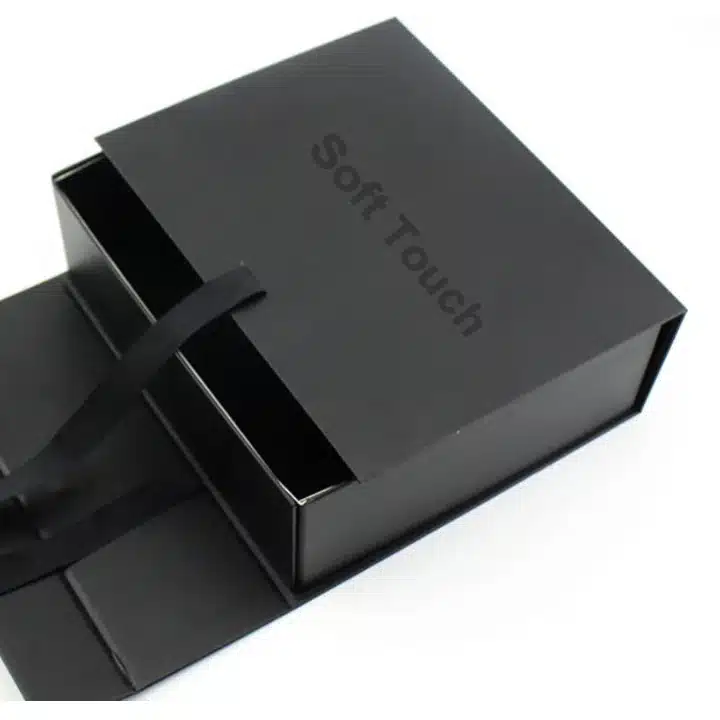
Magnetic Closure Box (Premium feel)
Magnetic flap closure for a deluxe unboxing experience
Book-style Box (Unique design)
Hinged book-style opening for story-driven and legacy games
Tuck Box (Cards / Small games)
Lightweight tuck-end box ideal for card games and expansions
Custom EVA Foam Insert (Component organizer)
Precision-cut foam trays to hold every piece securely in place
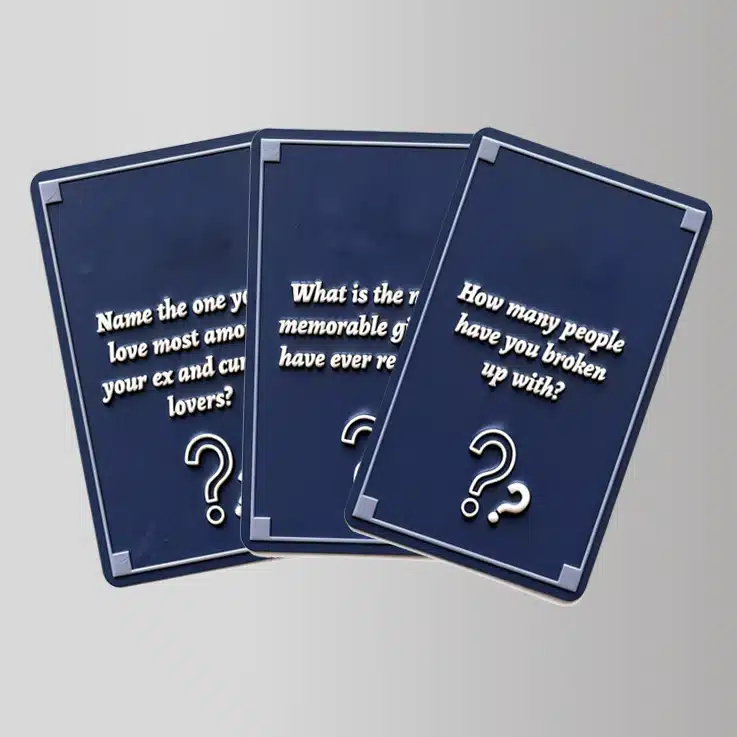
Personize Your Own Game
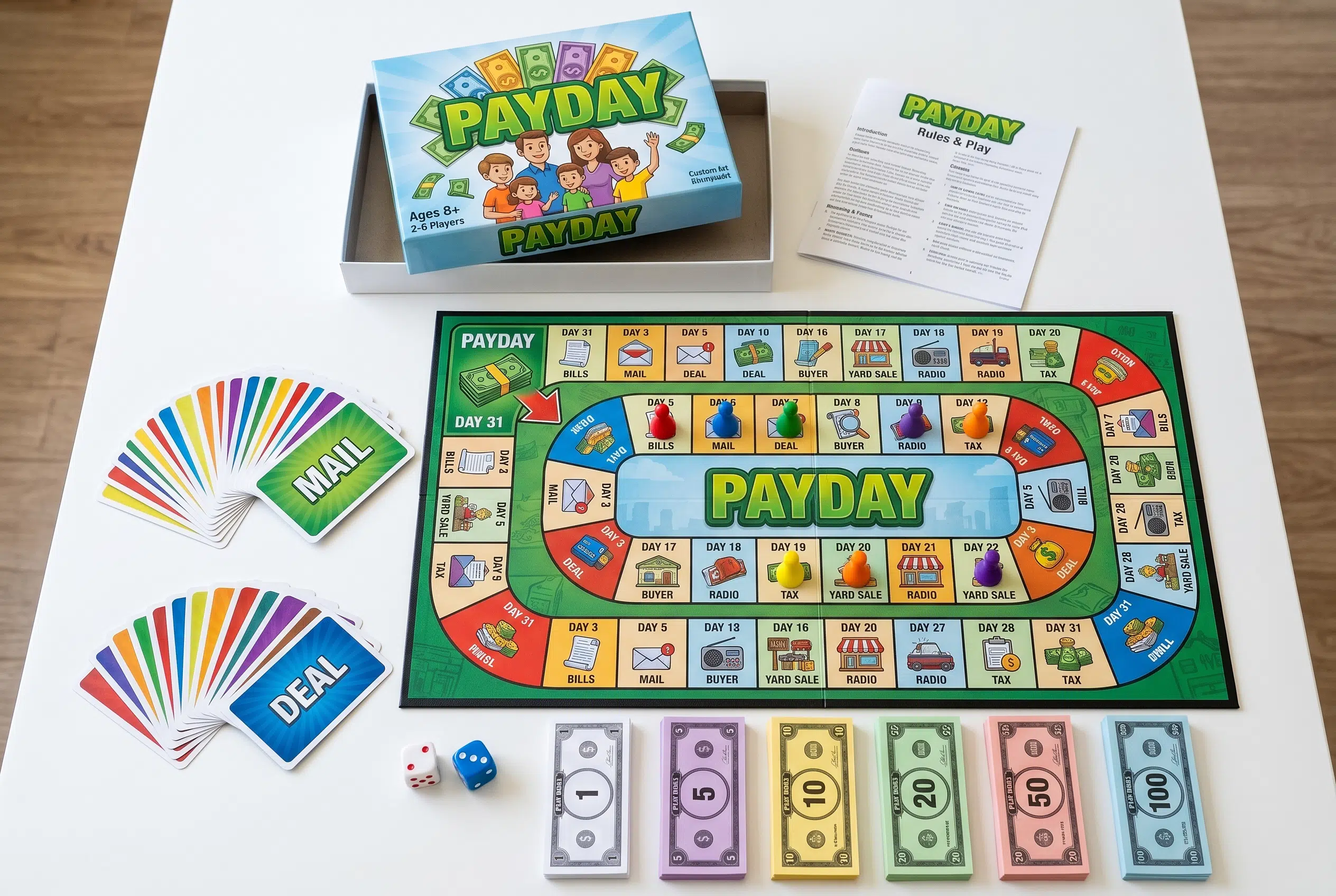
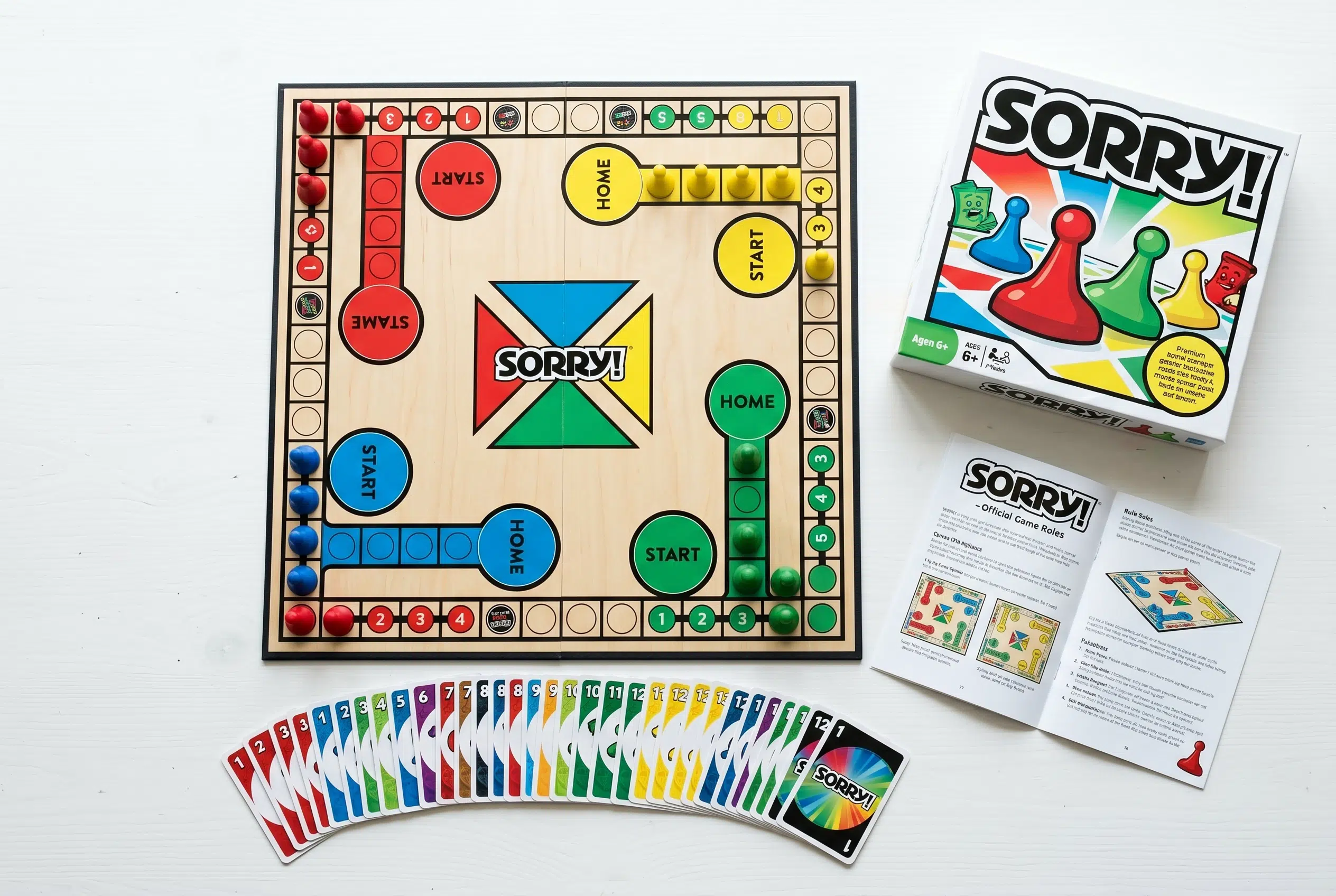
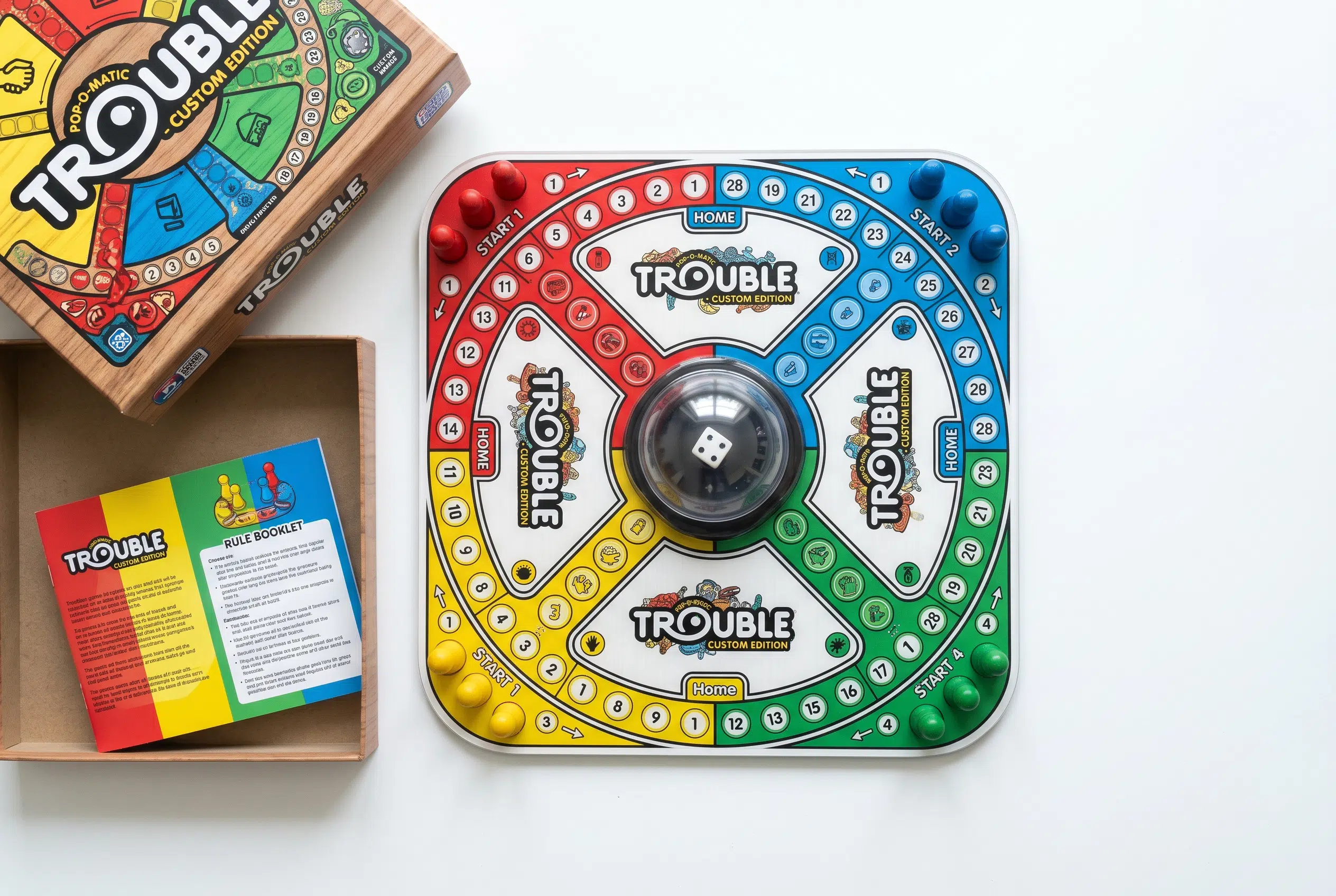
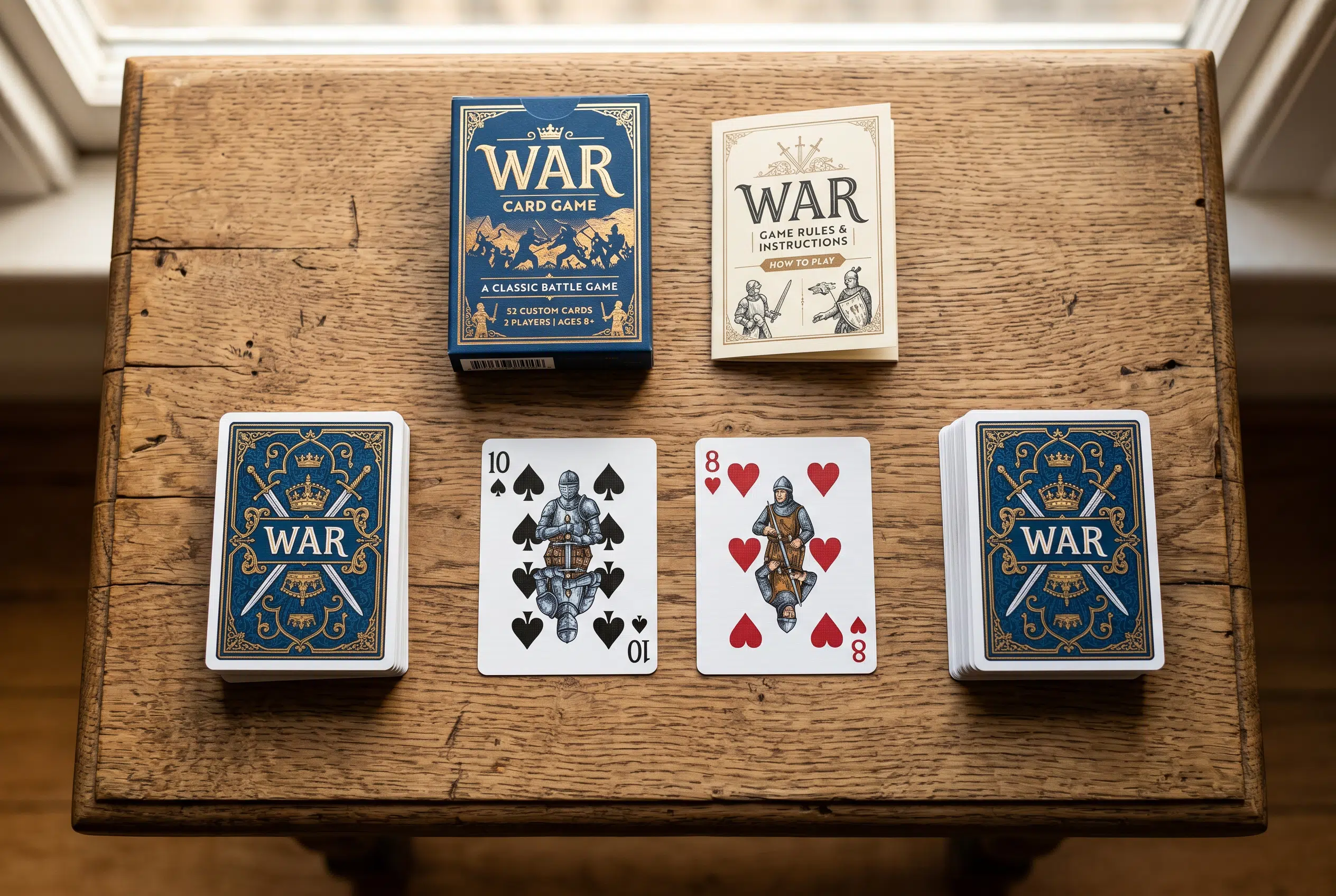
Choose By Game Types
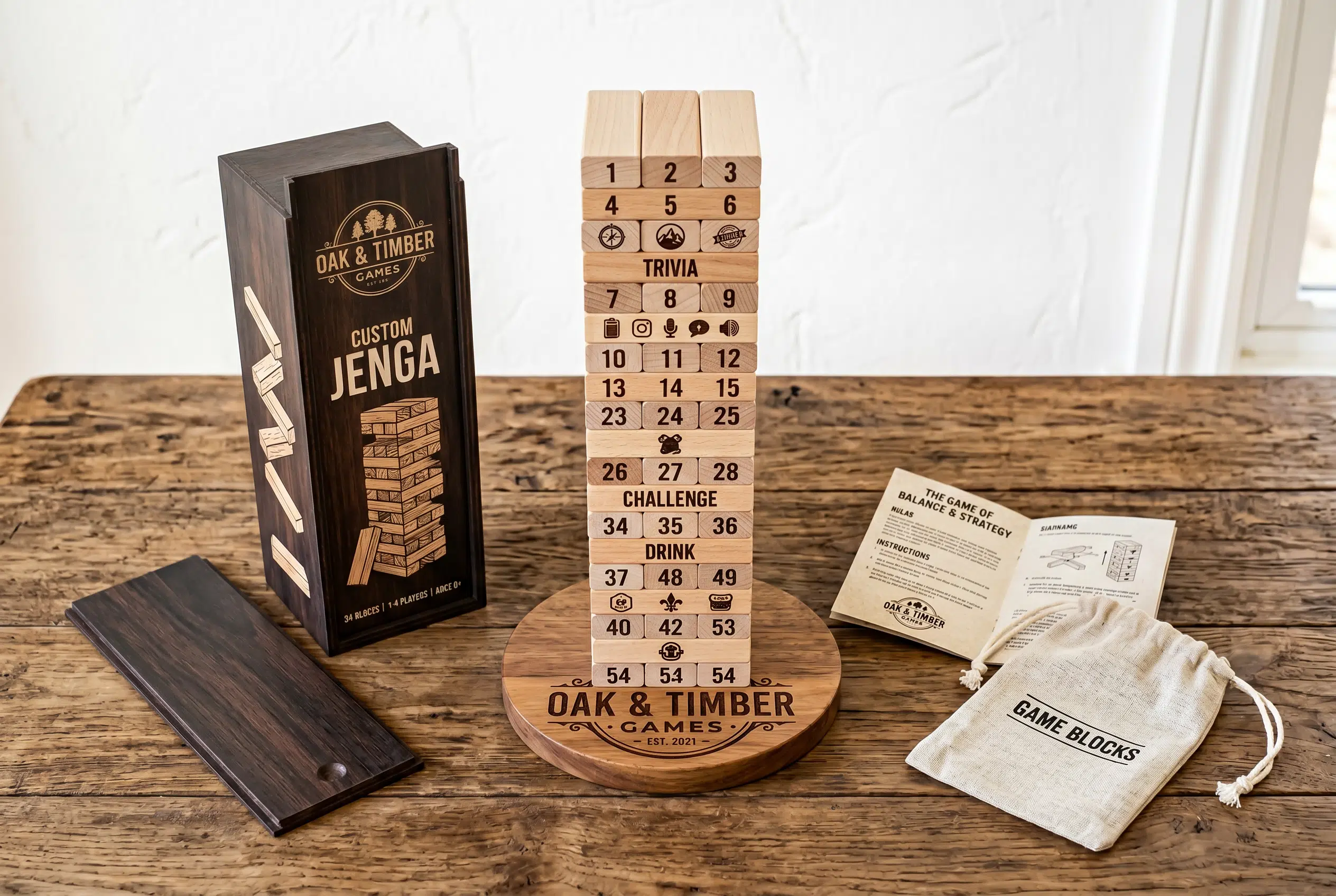
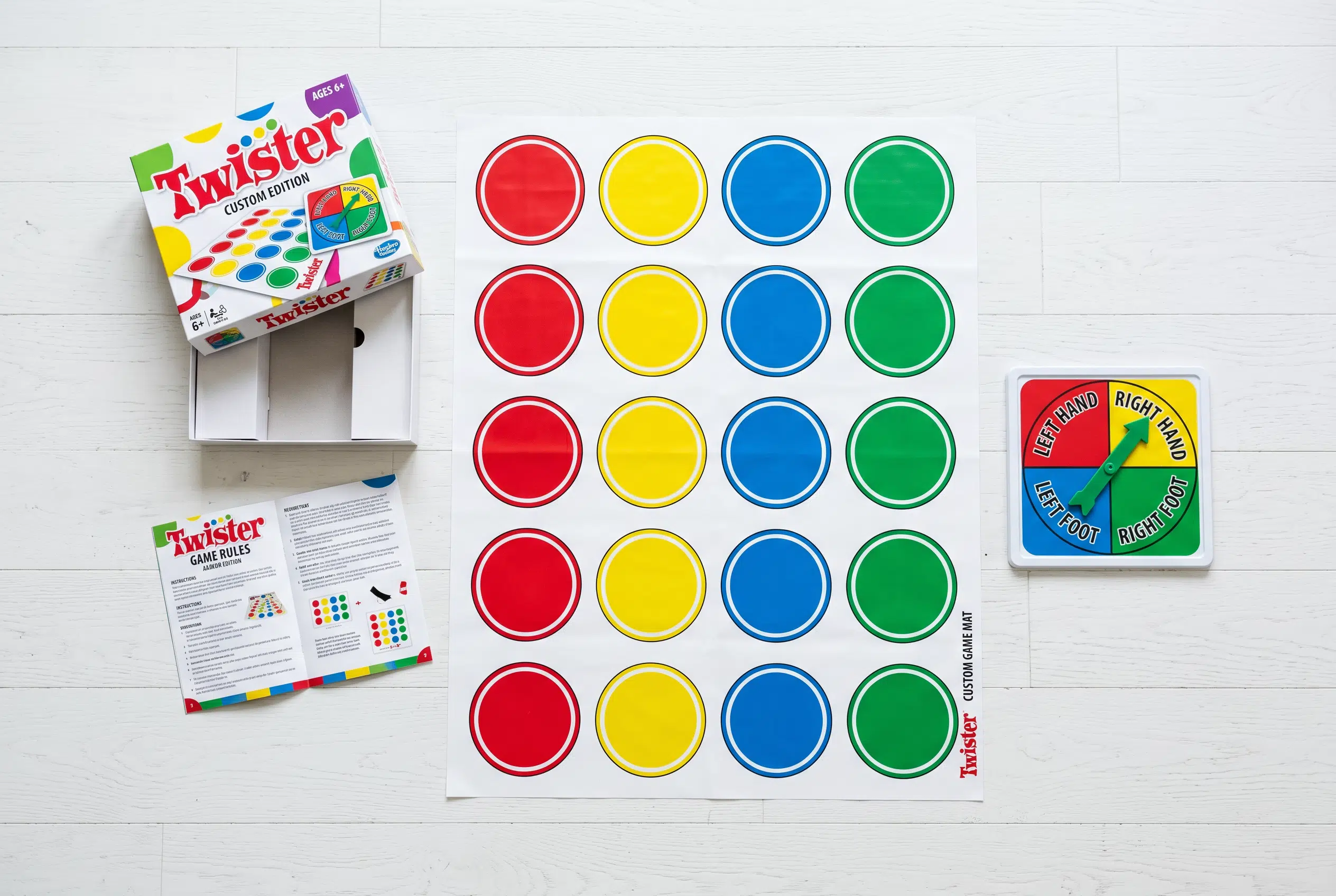
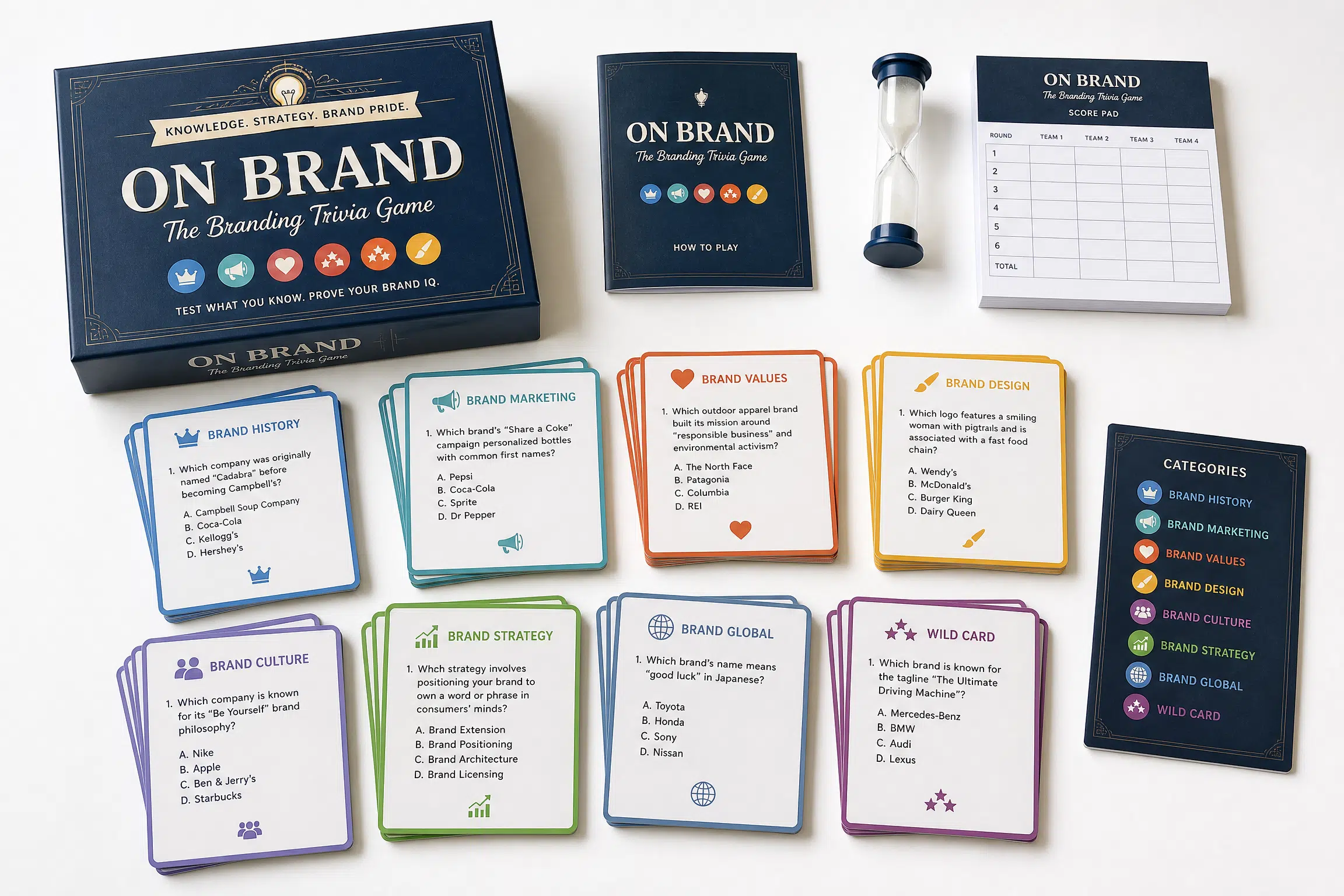
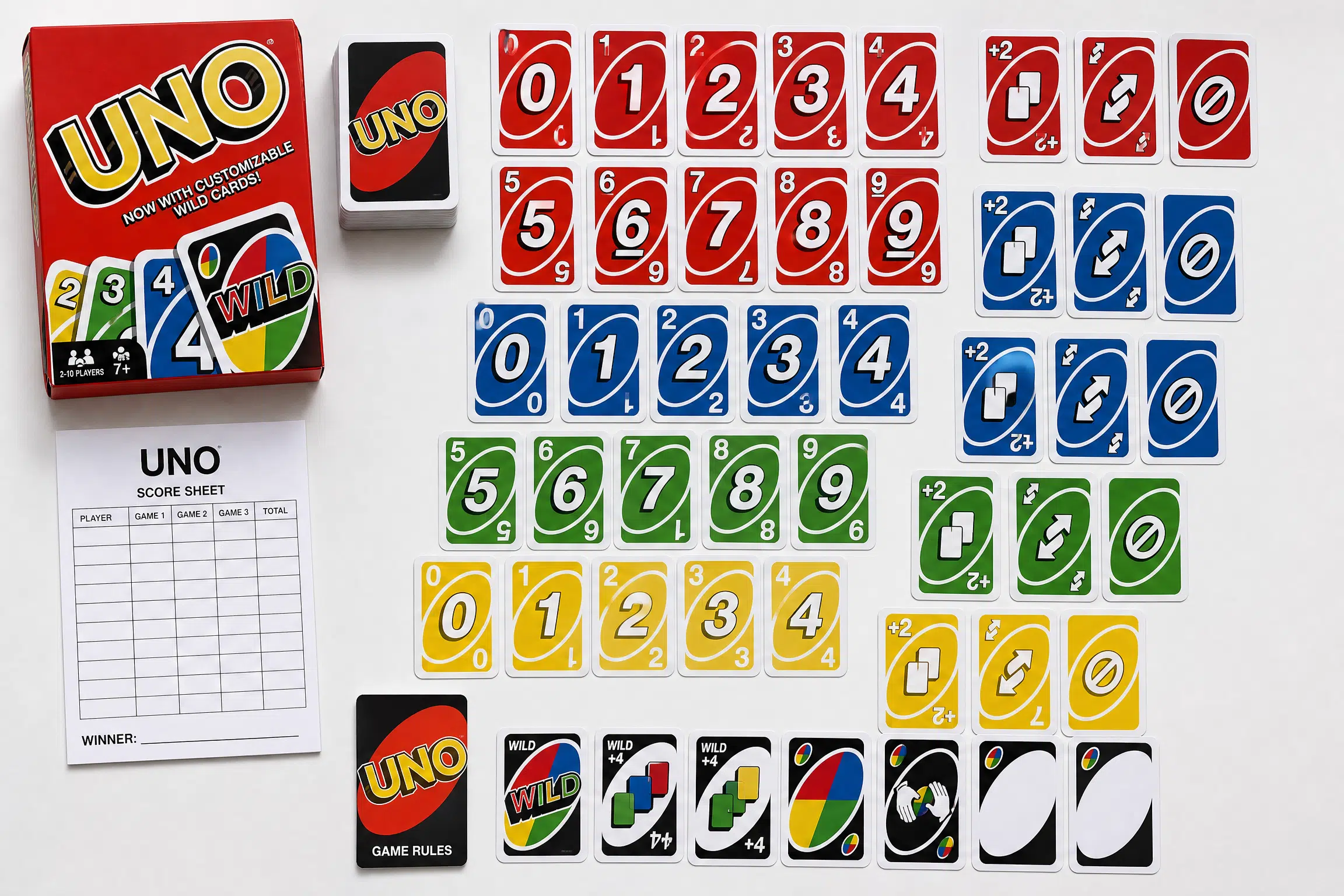
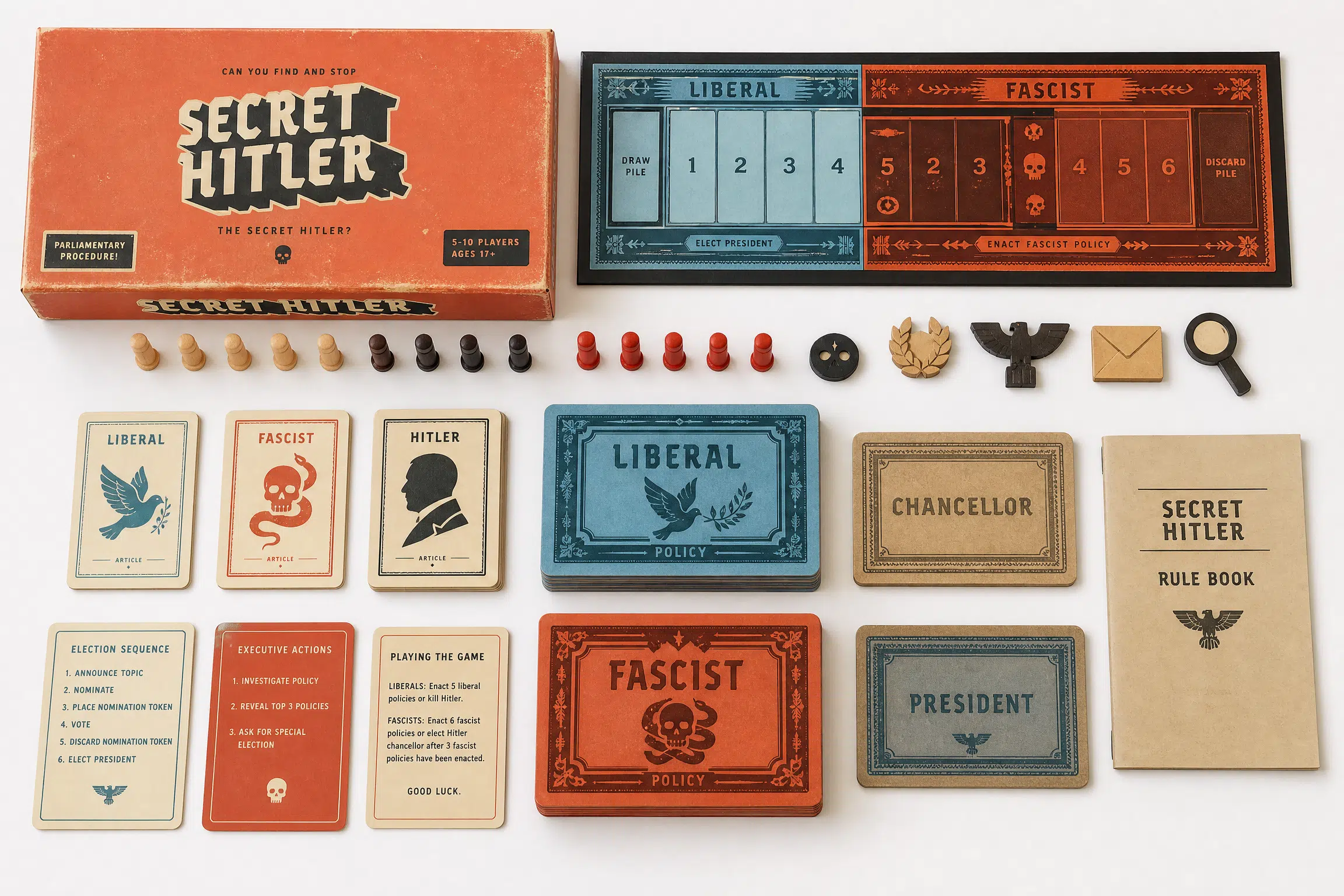
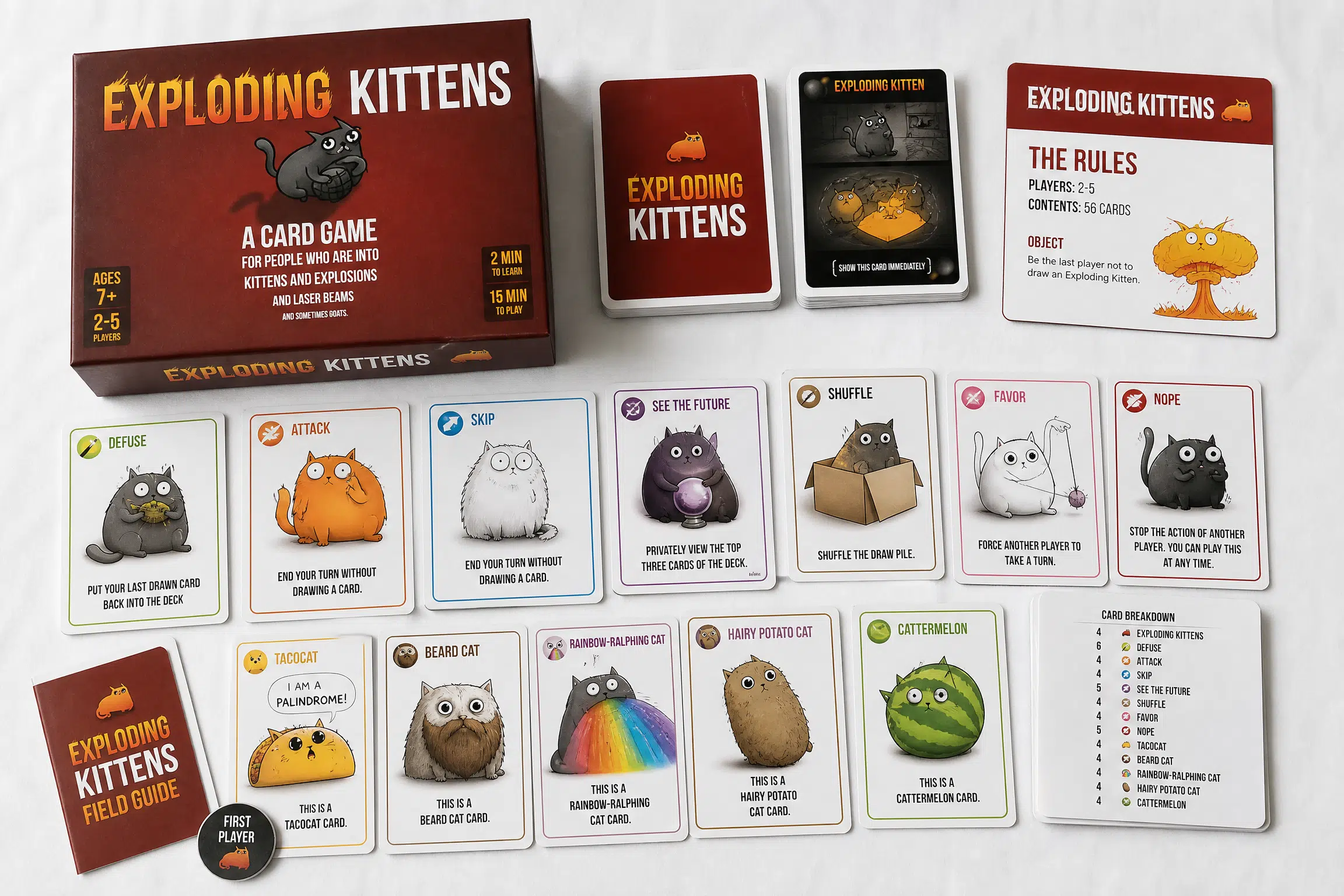
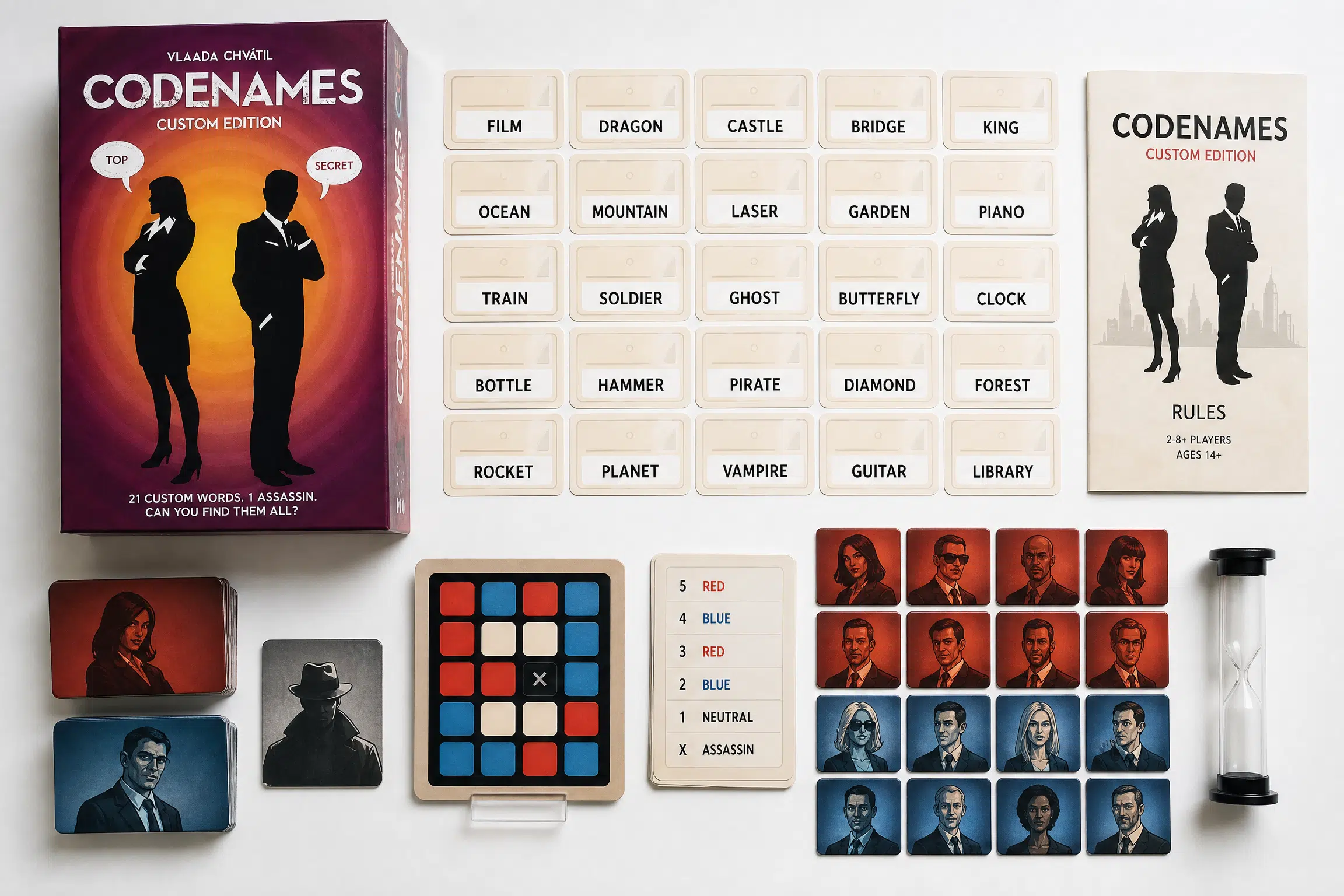
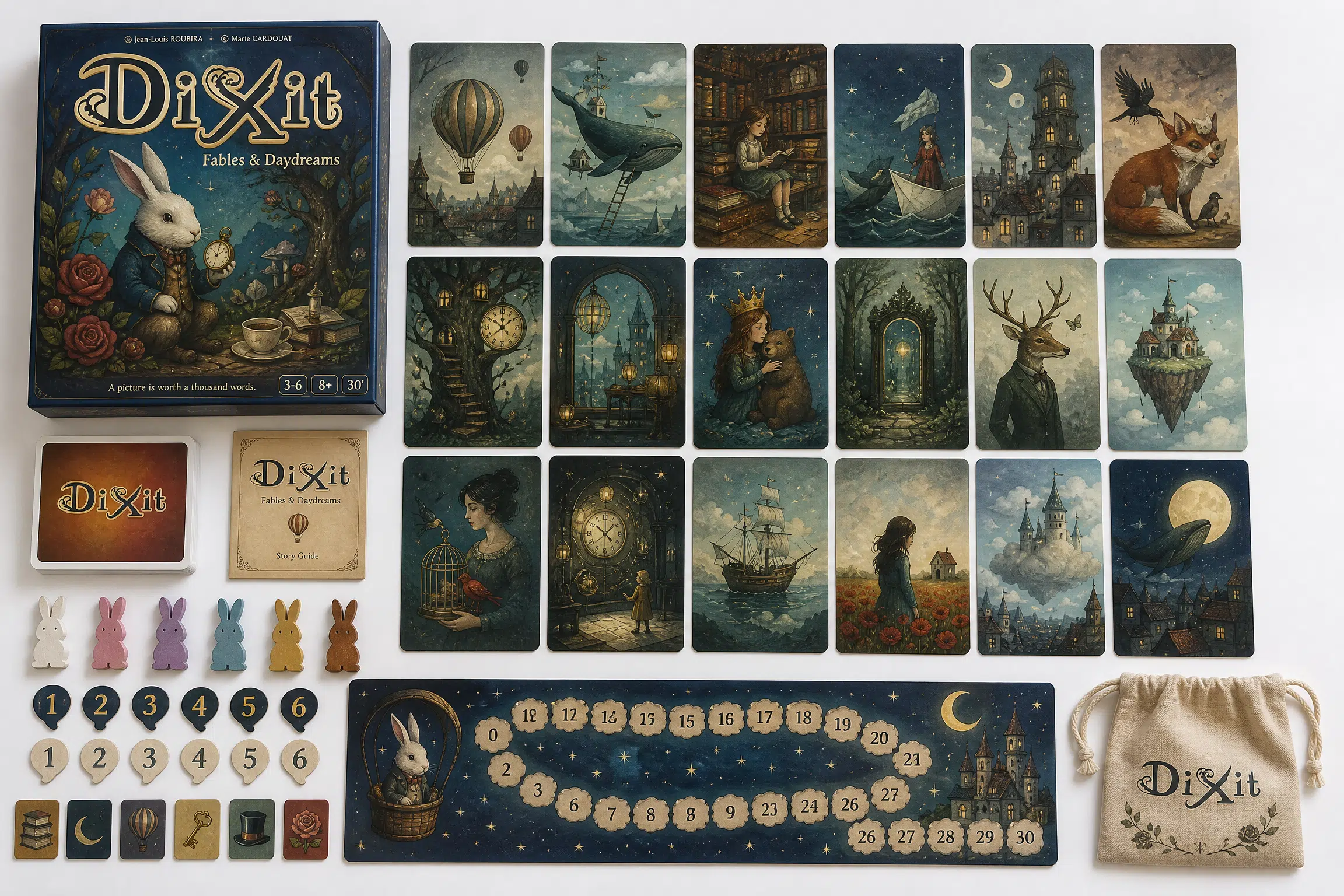
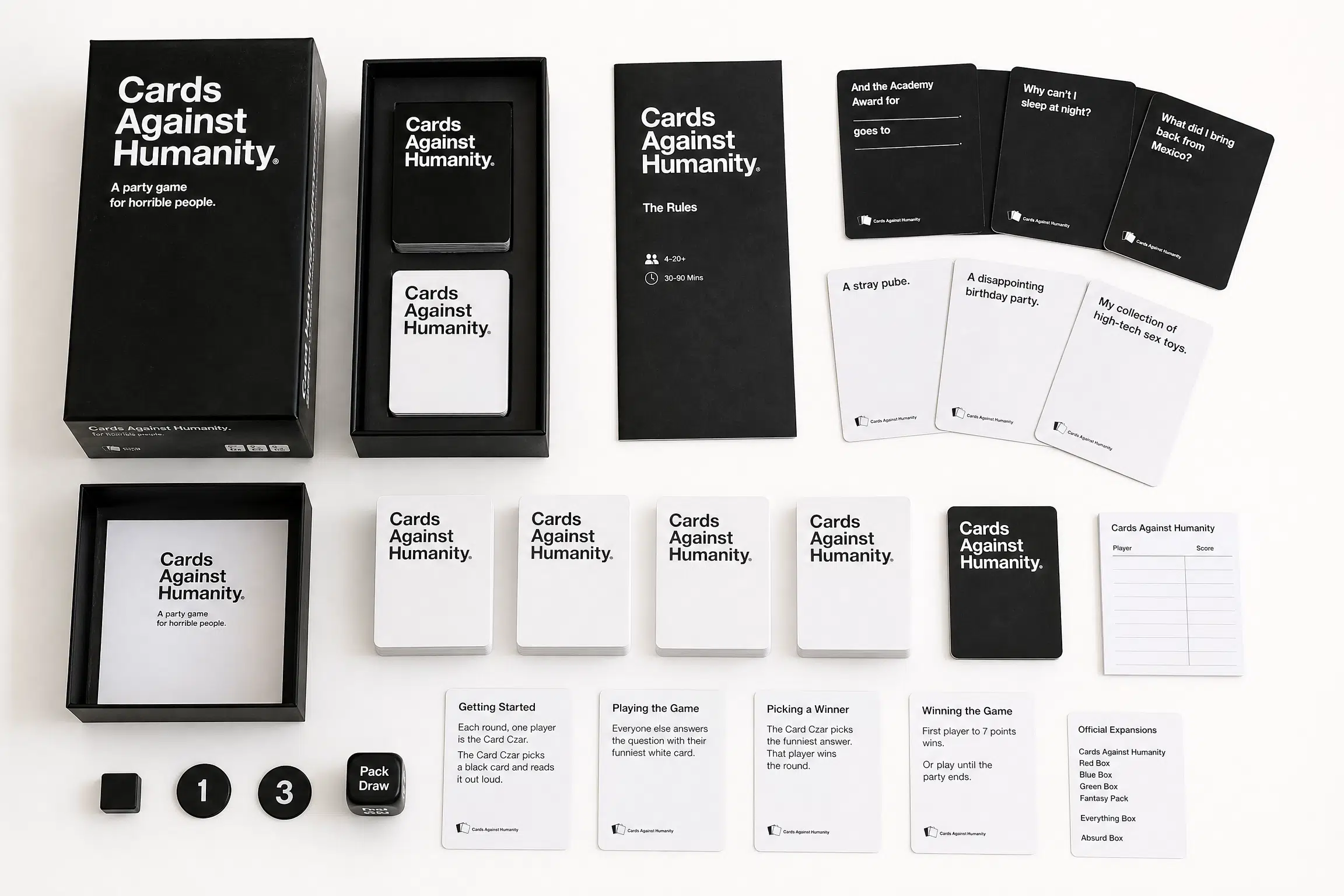
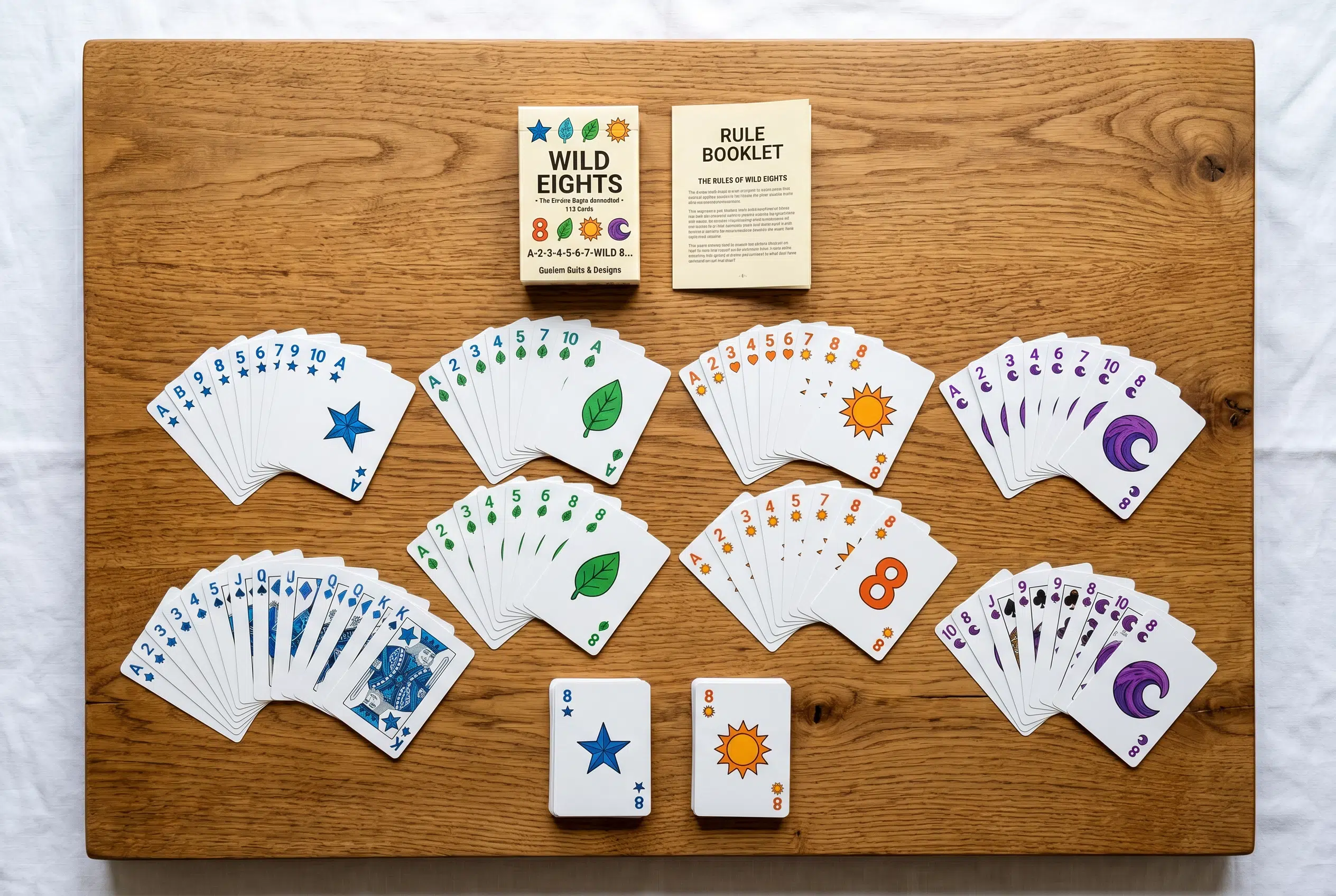
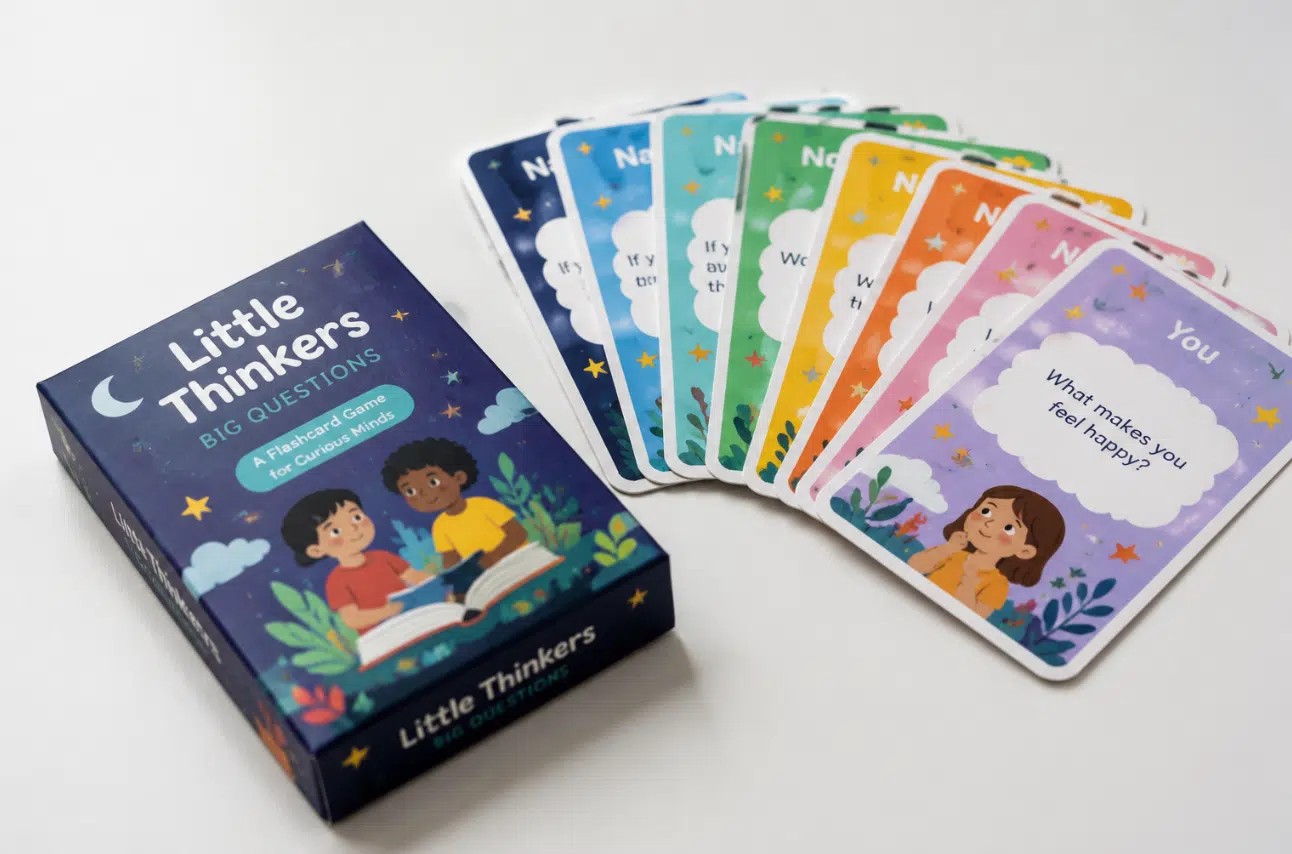
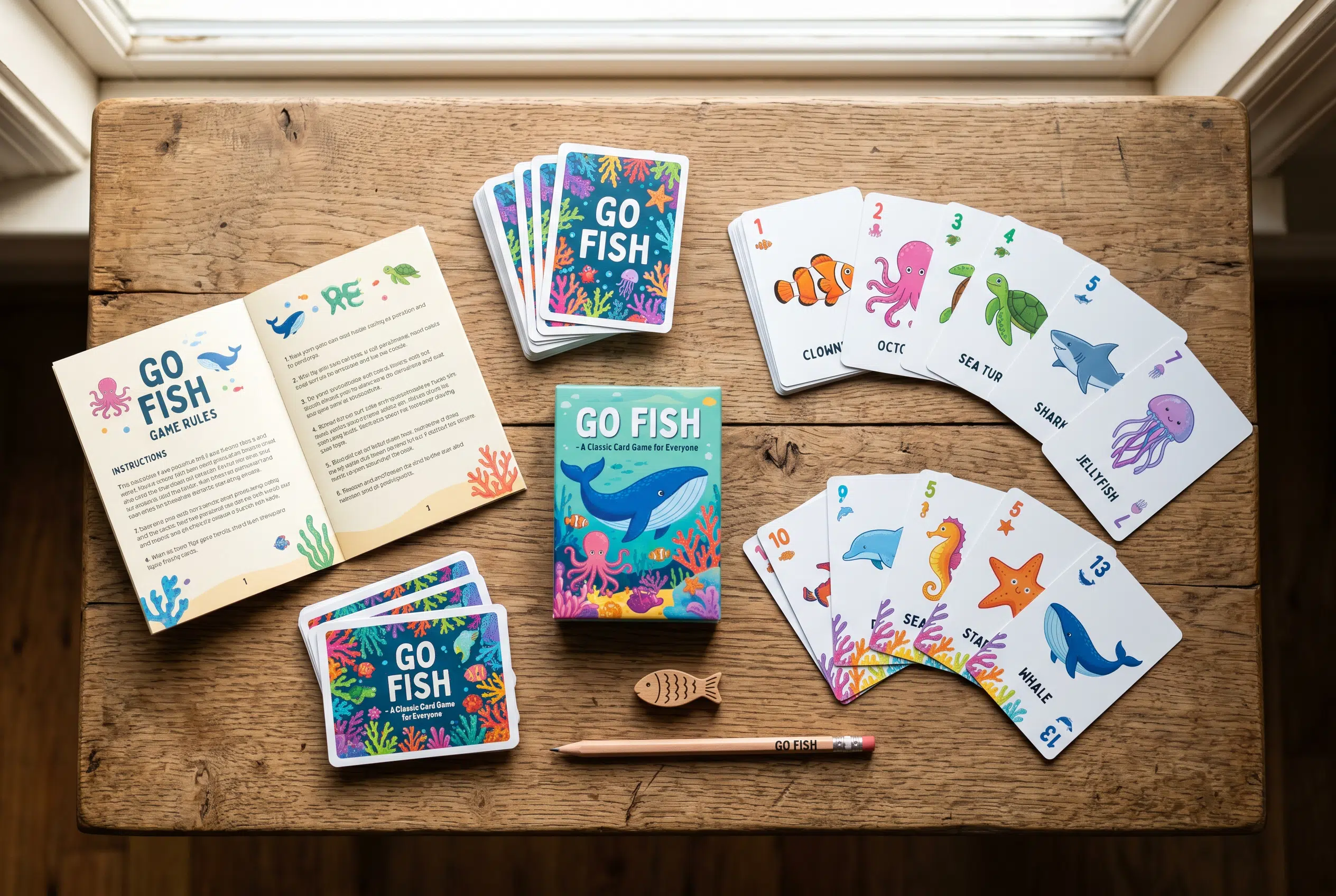
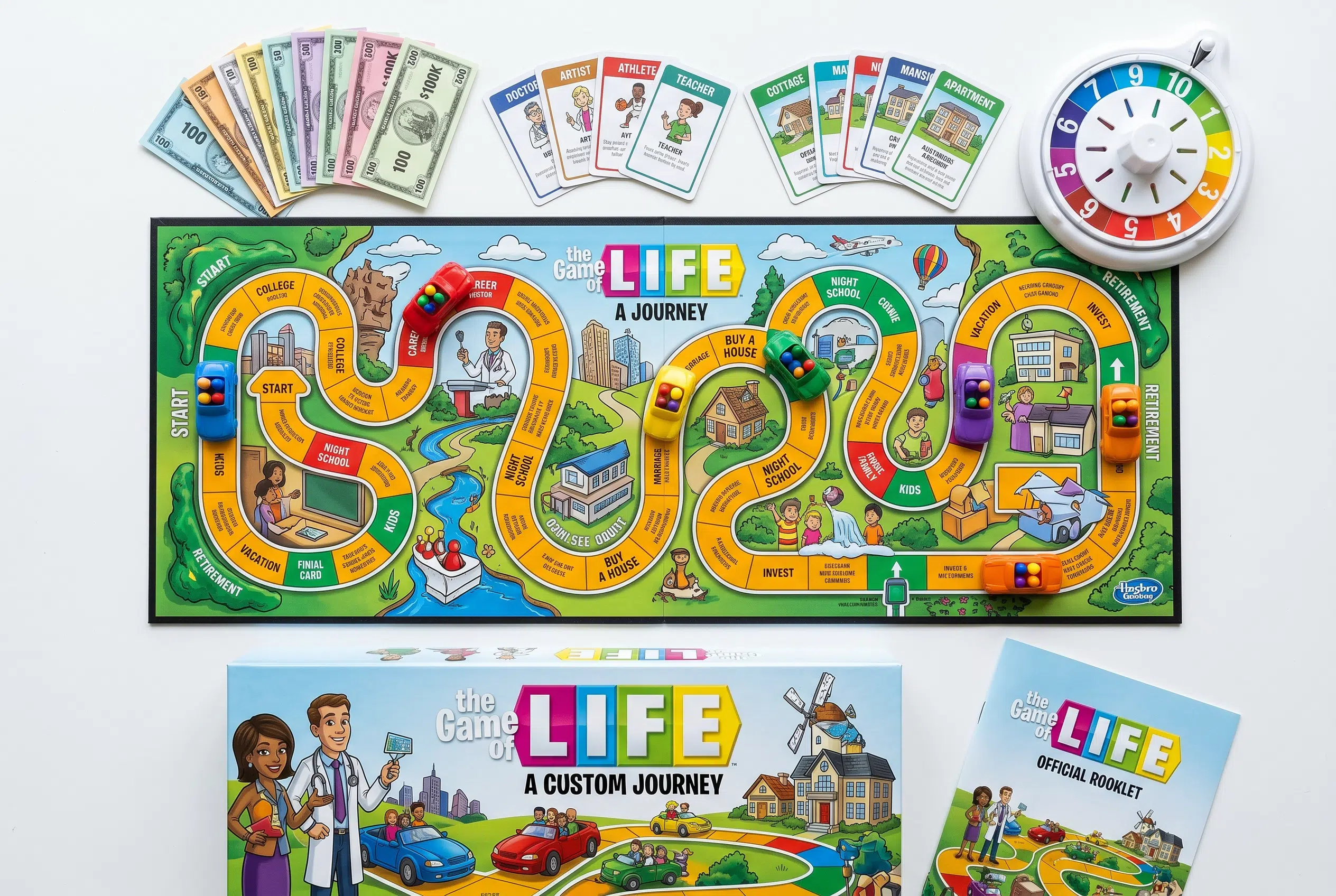
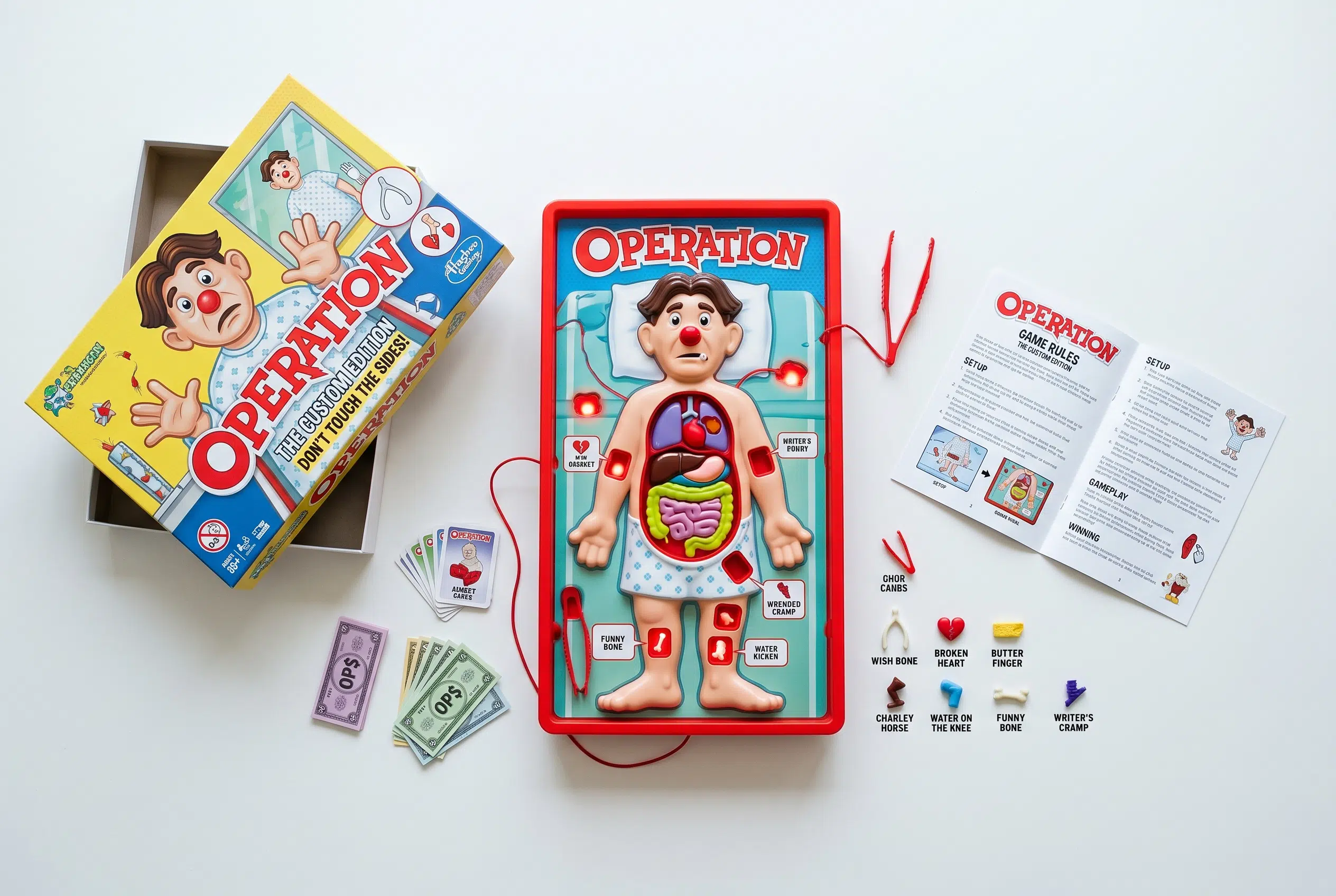
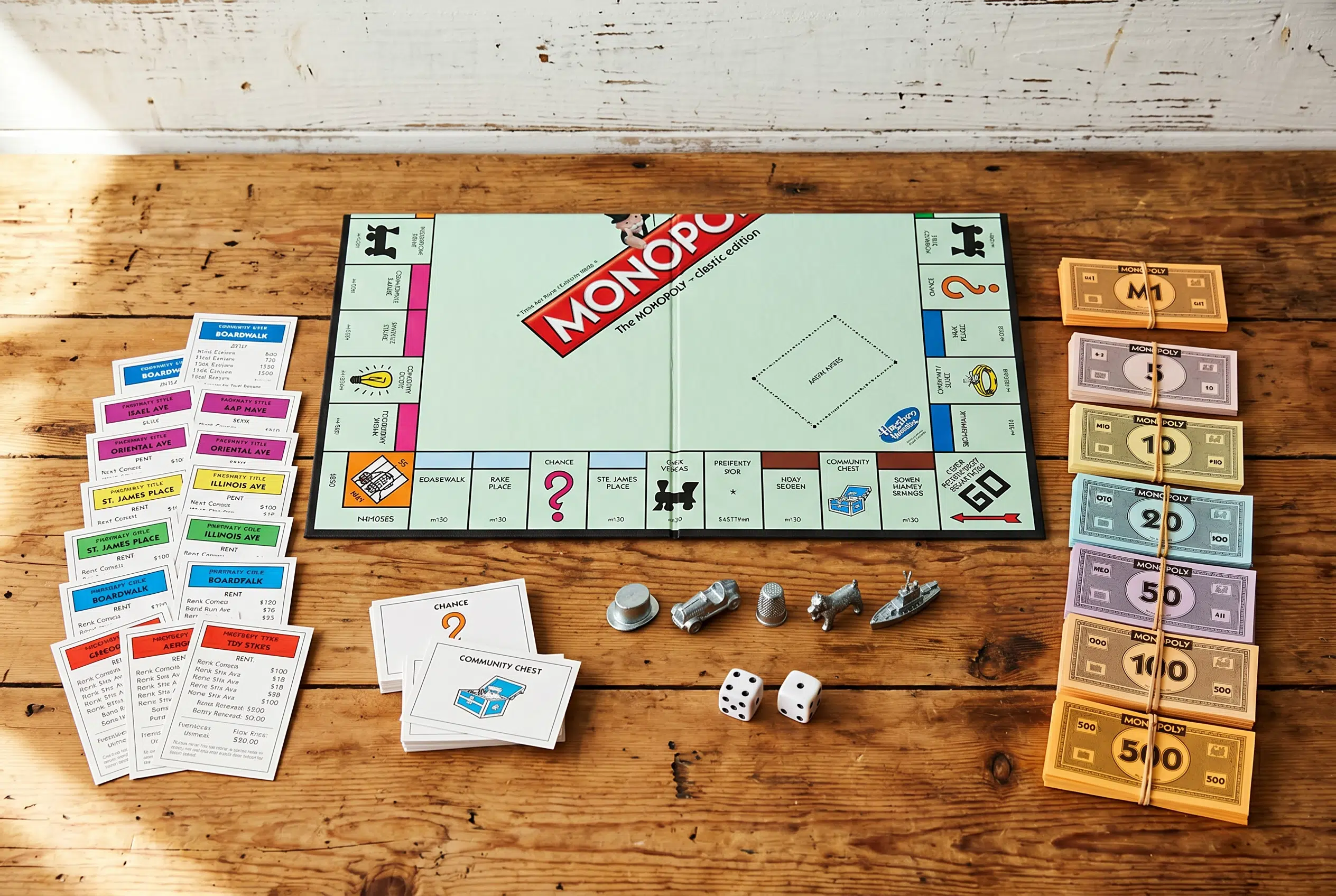
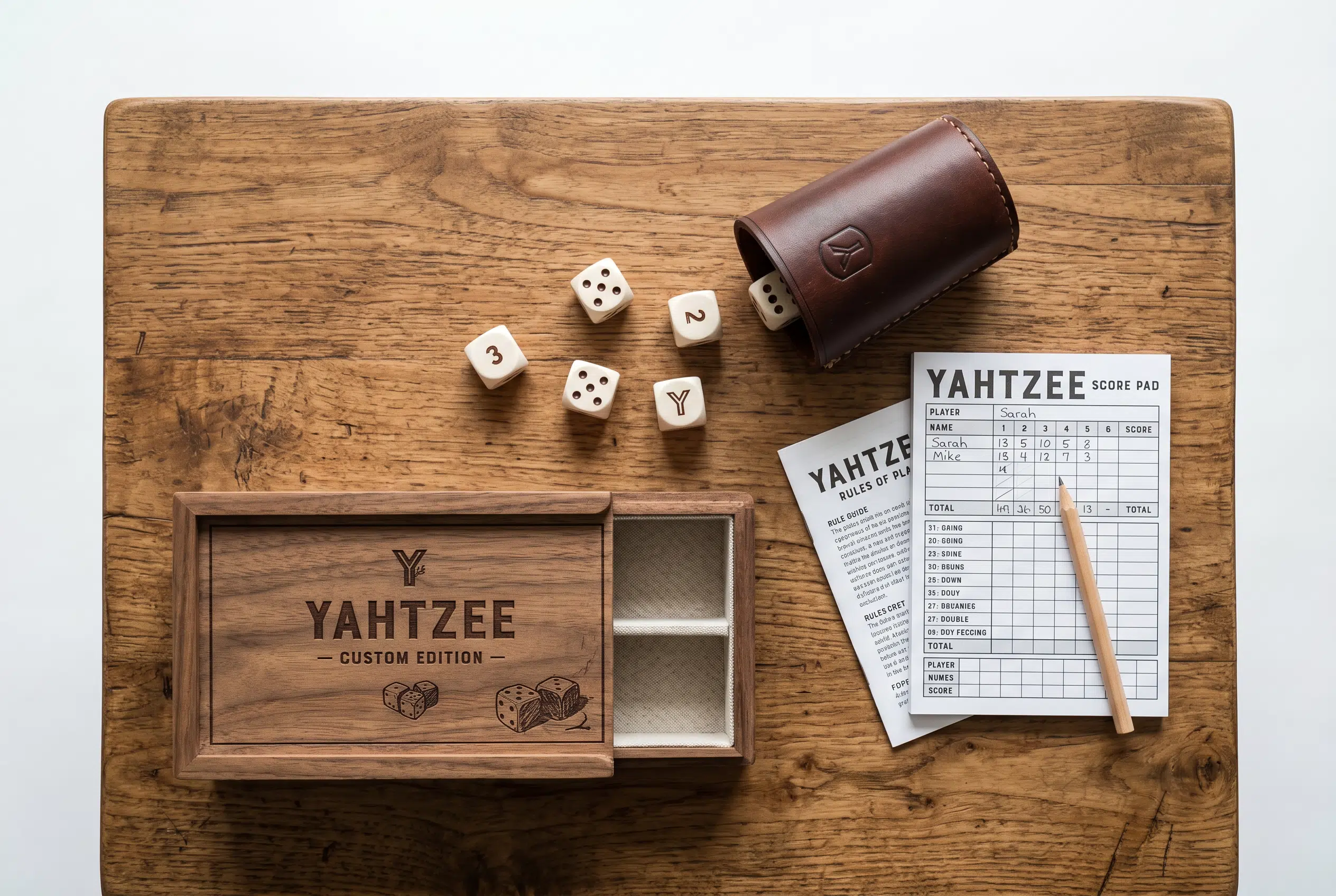
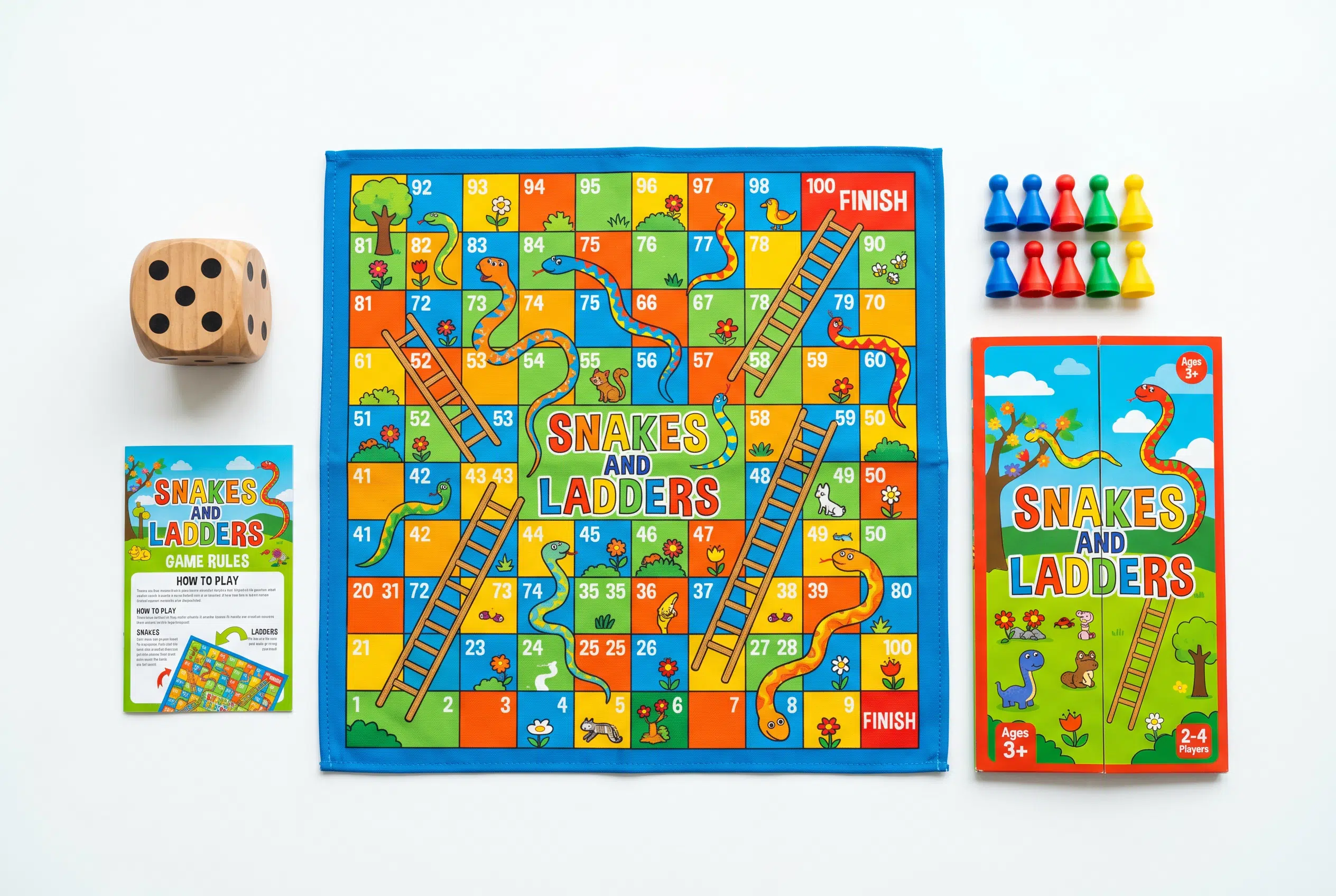
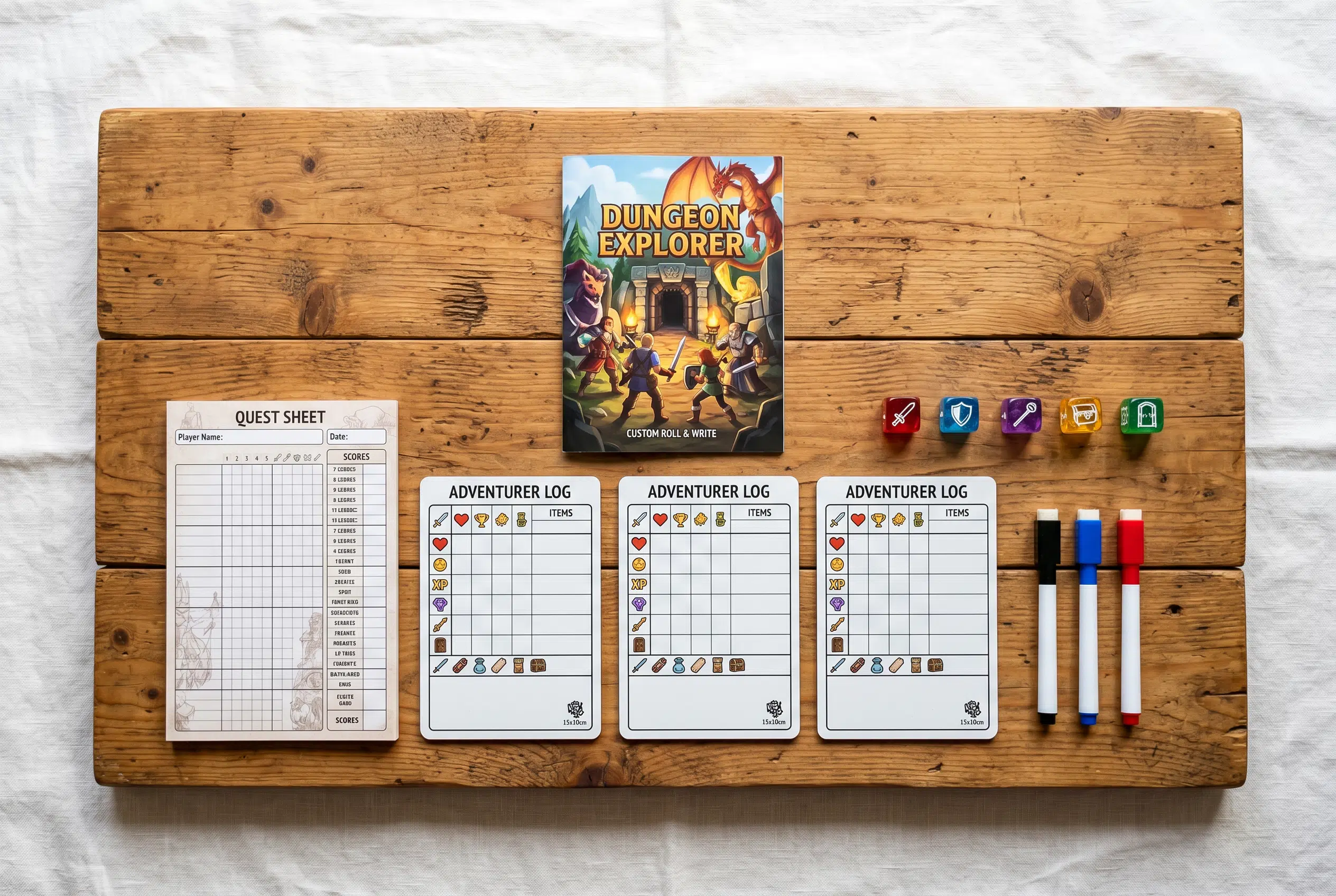
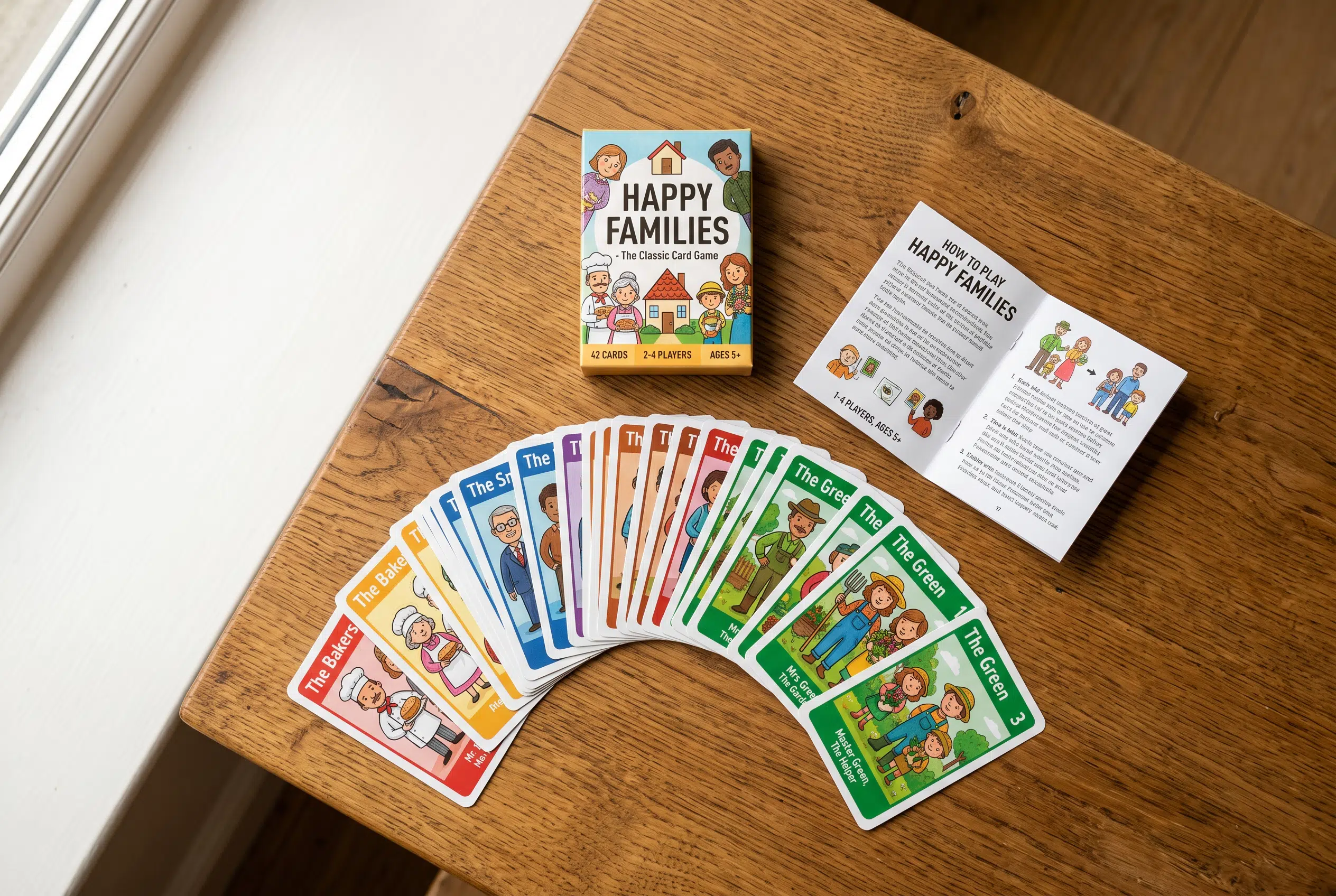
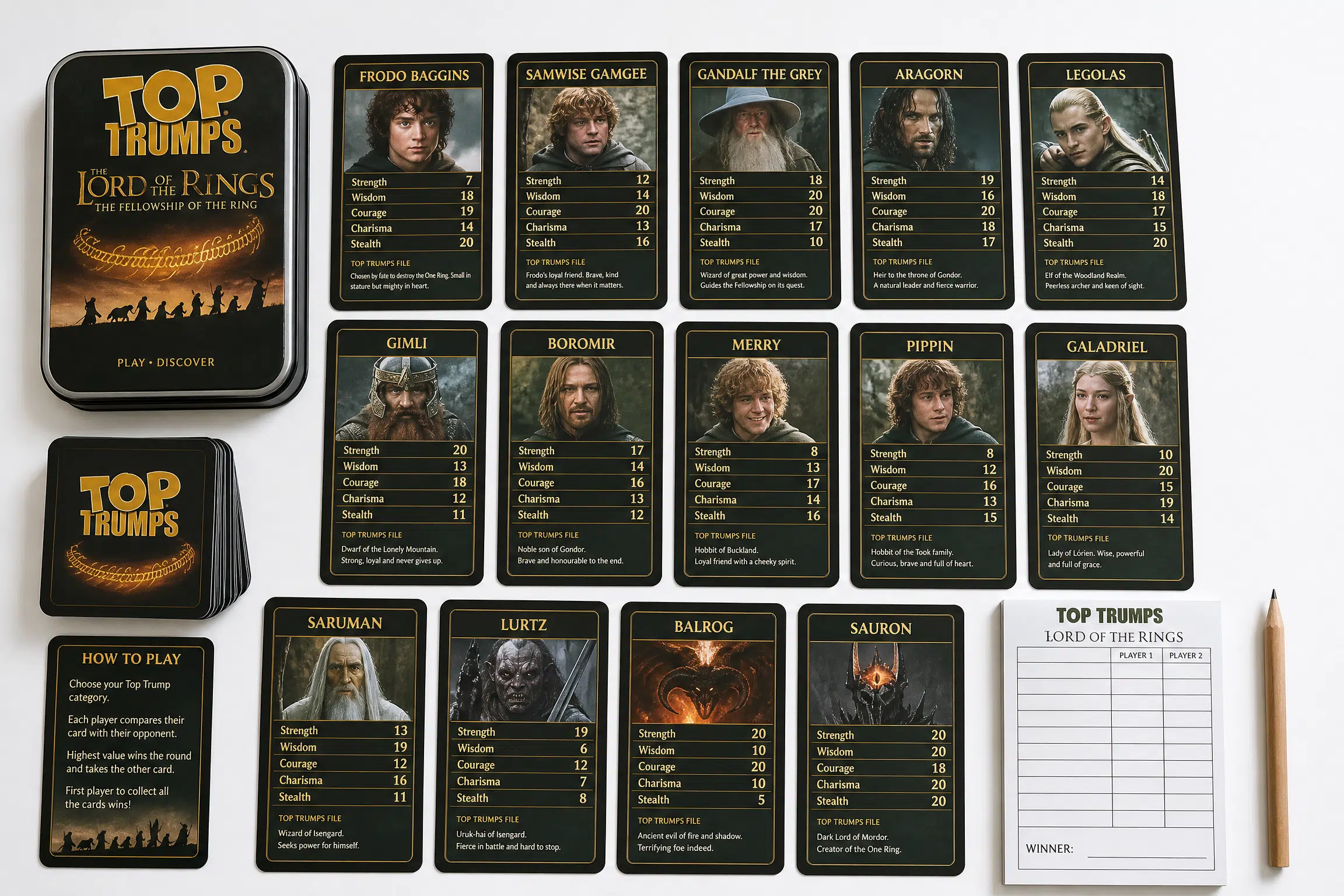
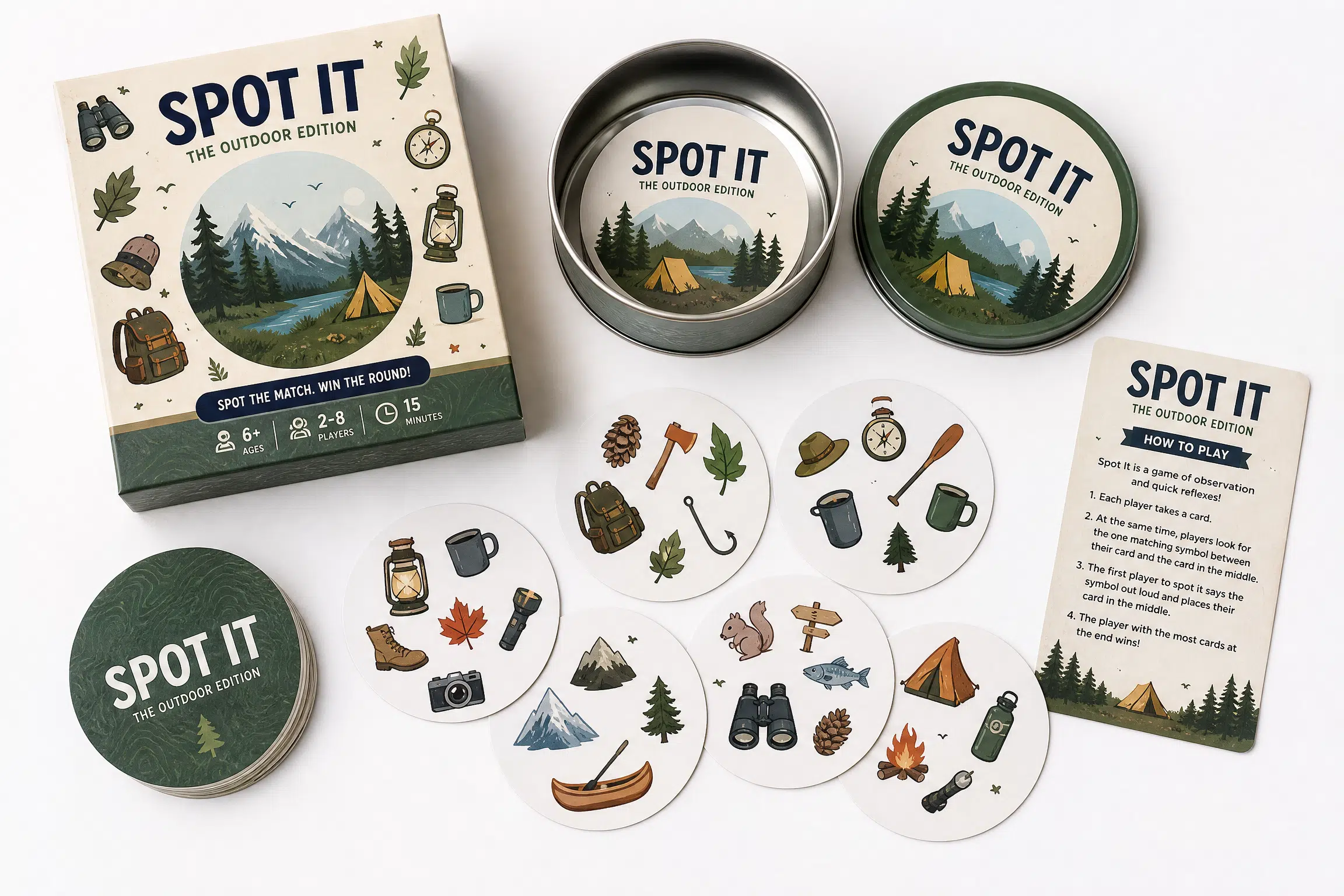
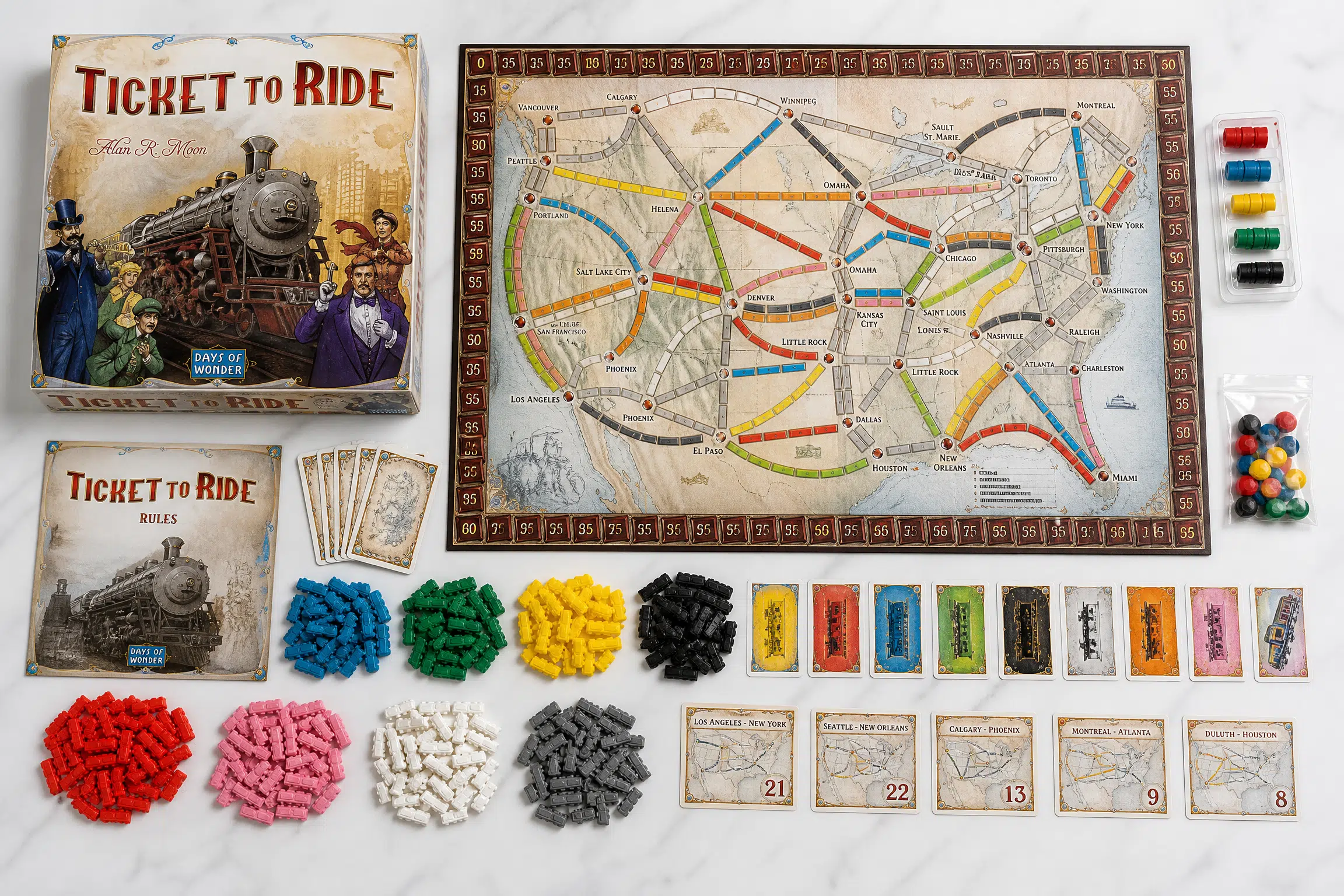
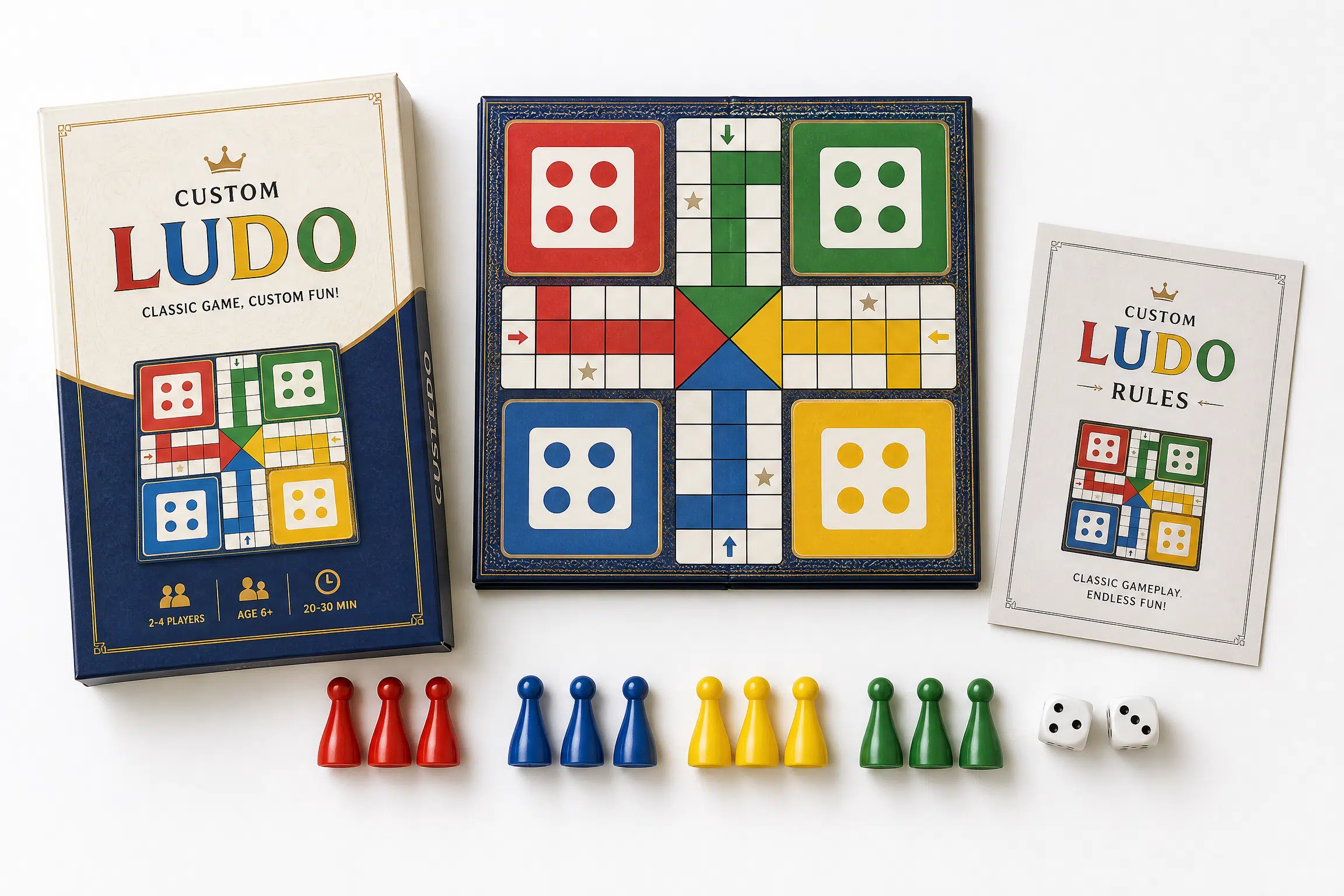
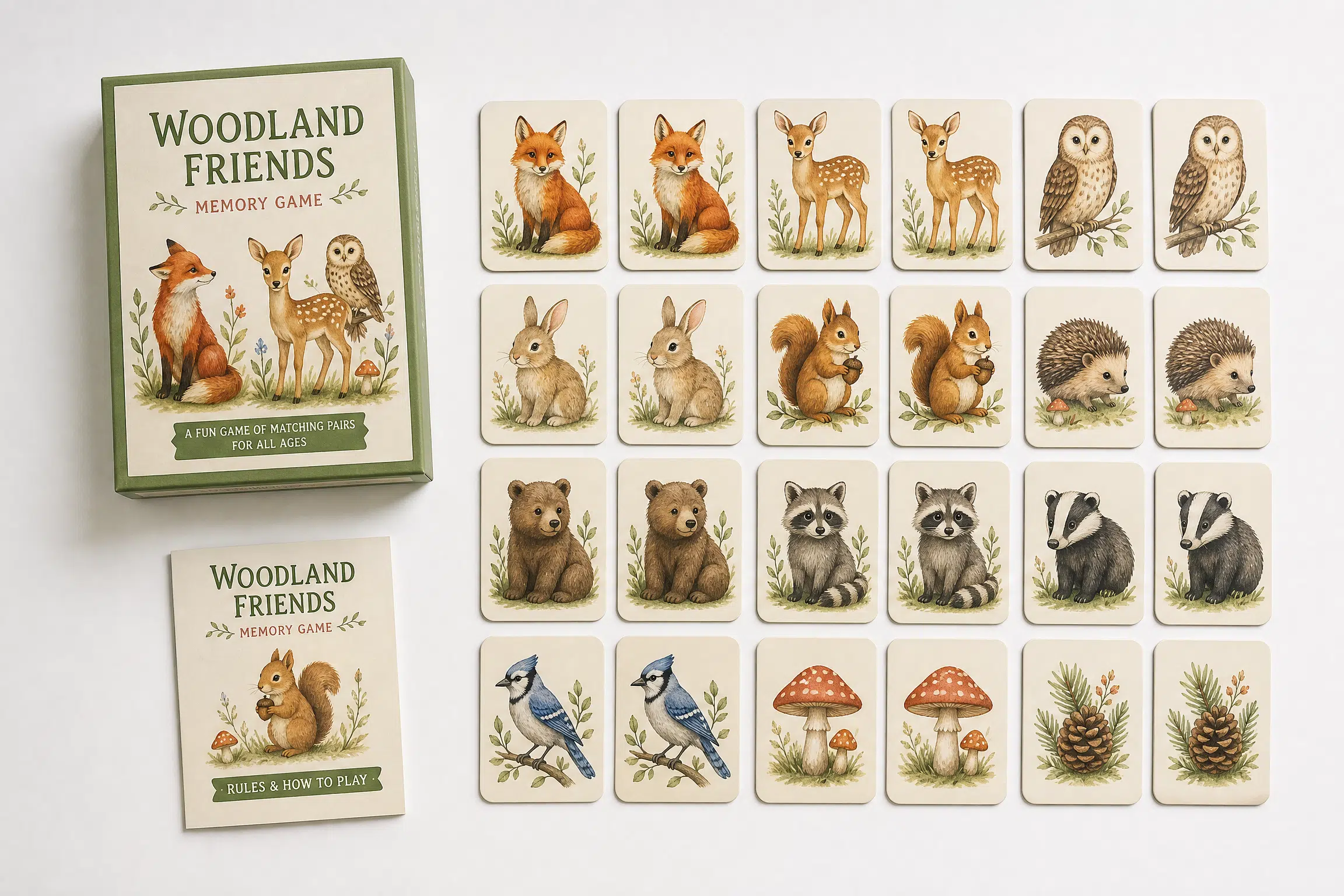
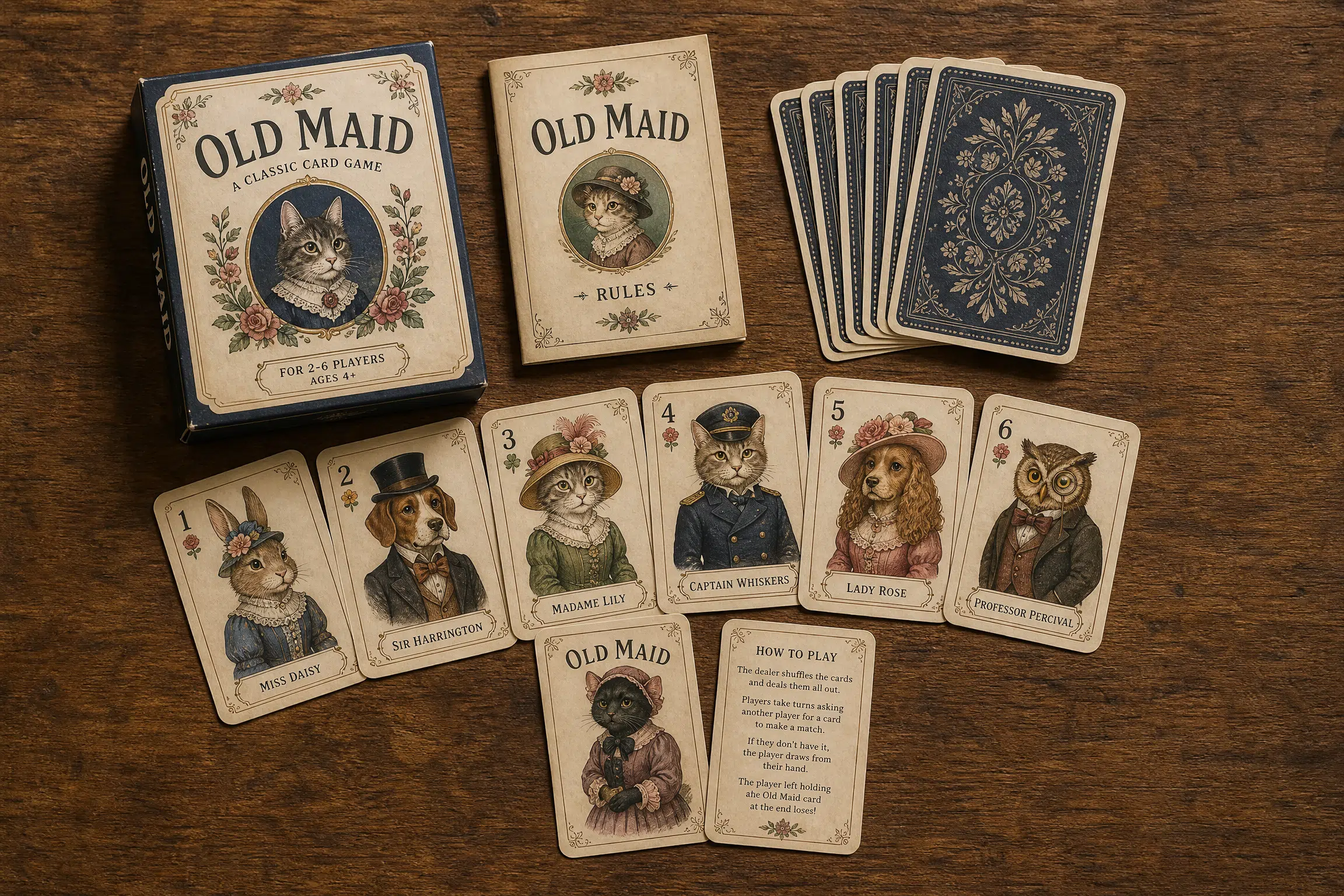
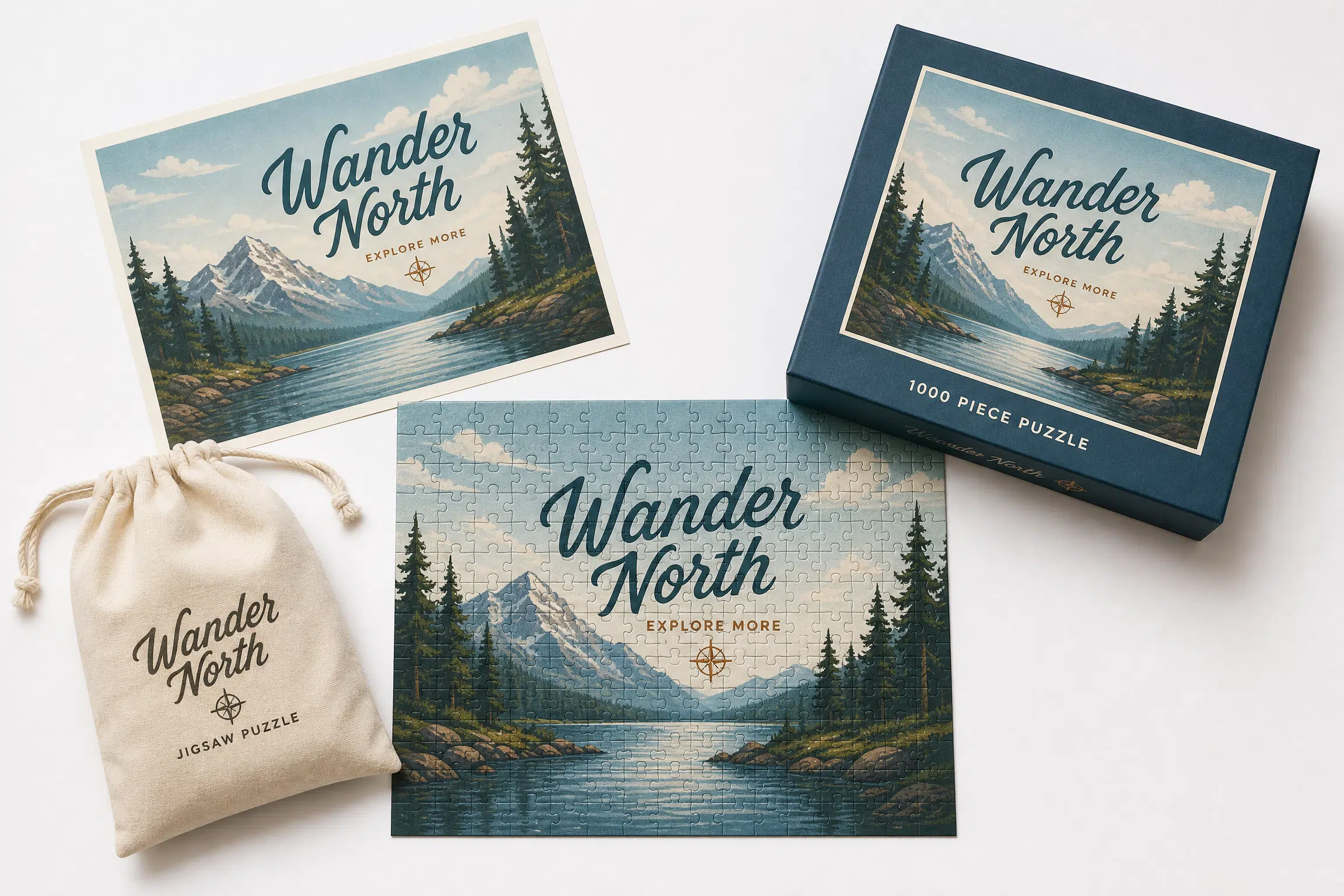
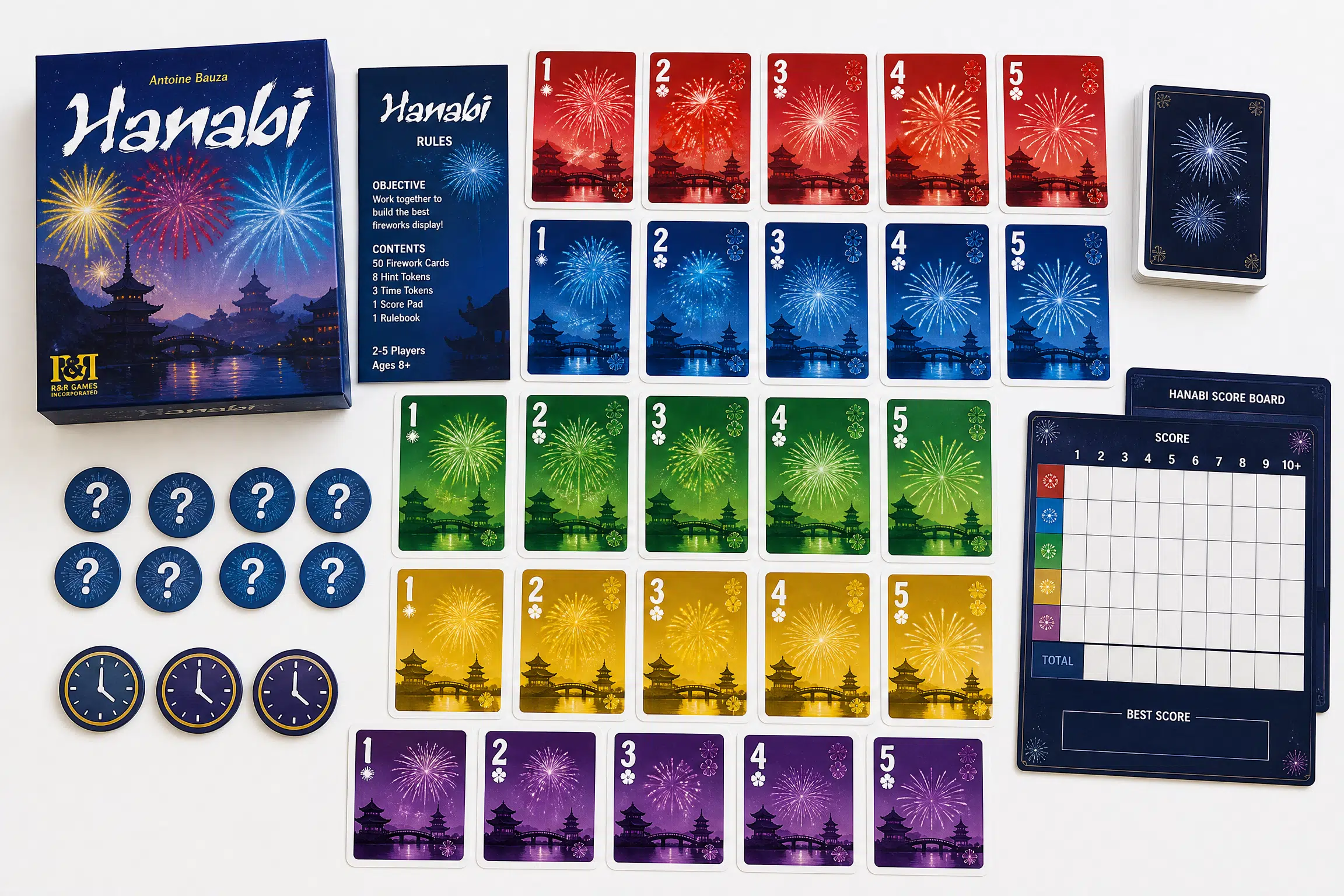
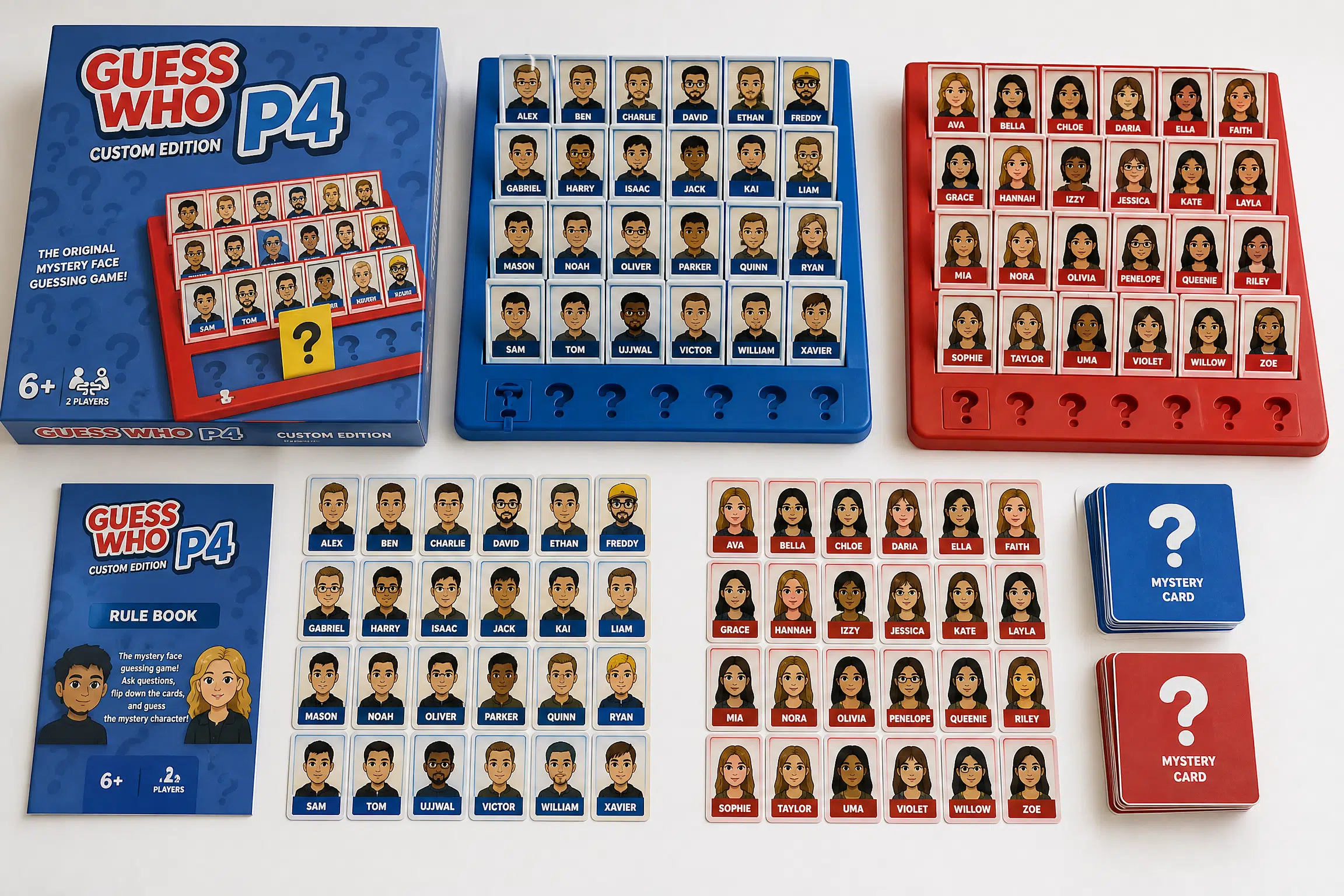
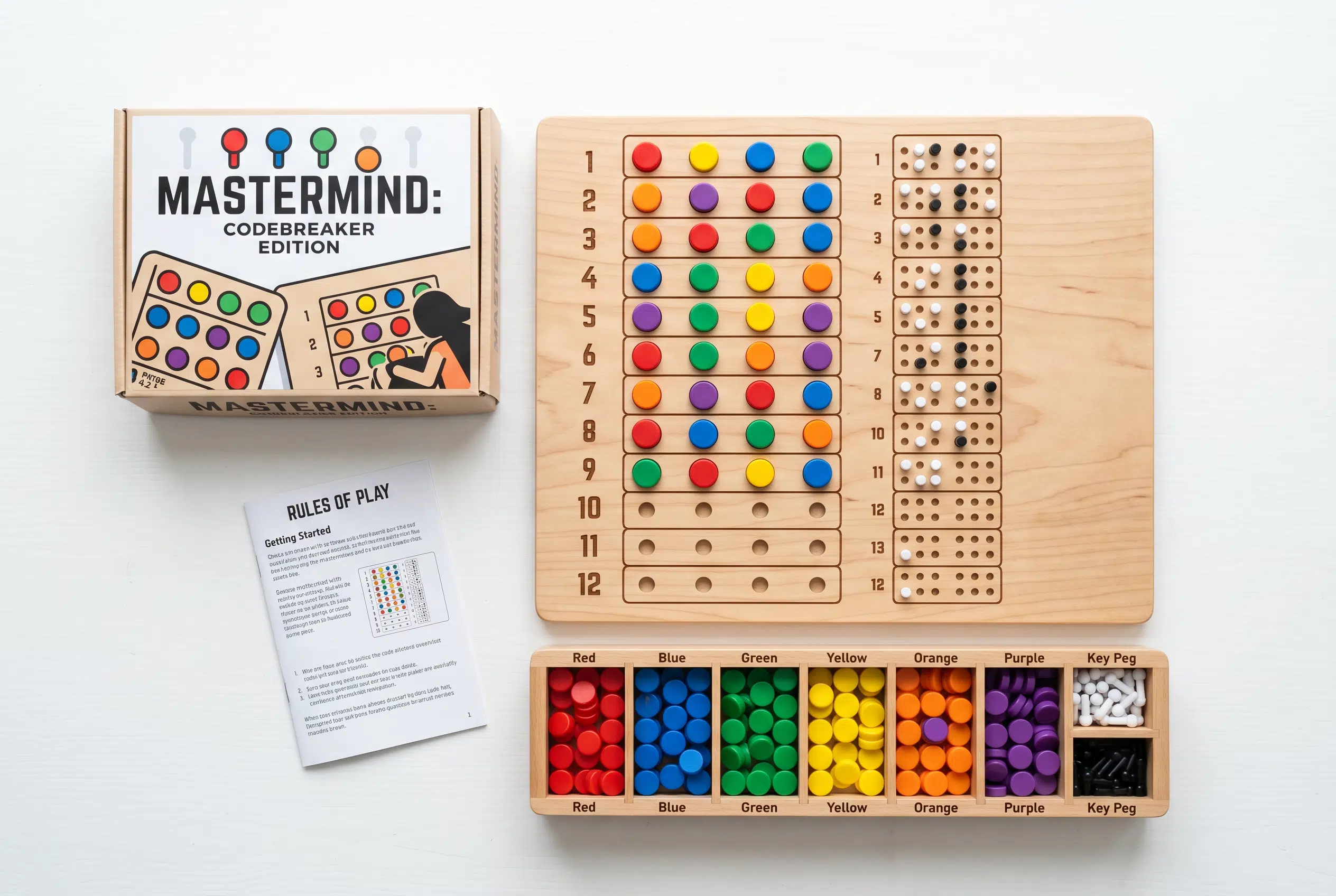
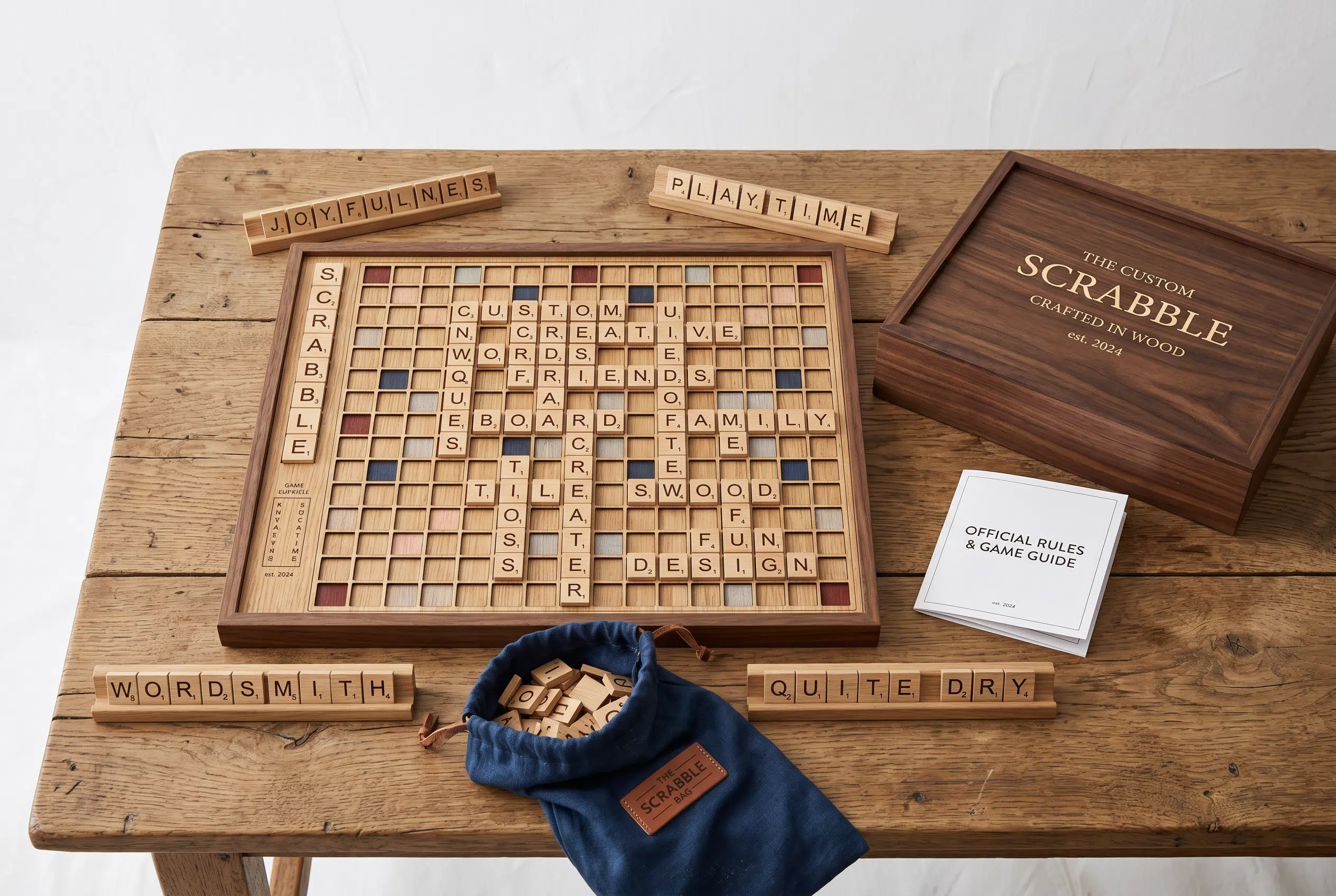
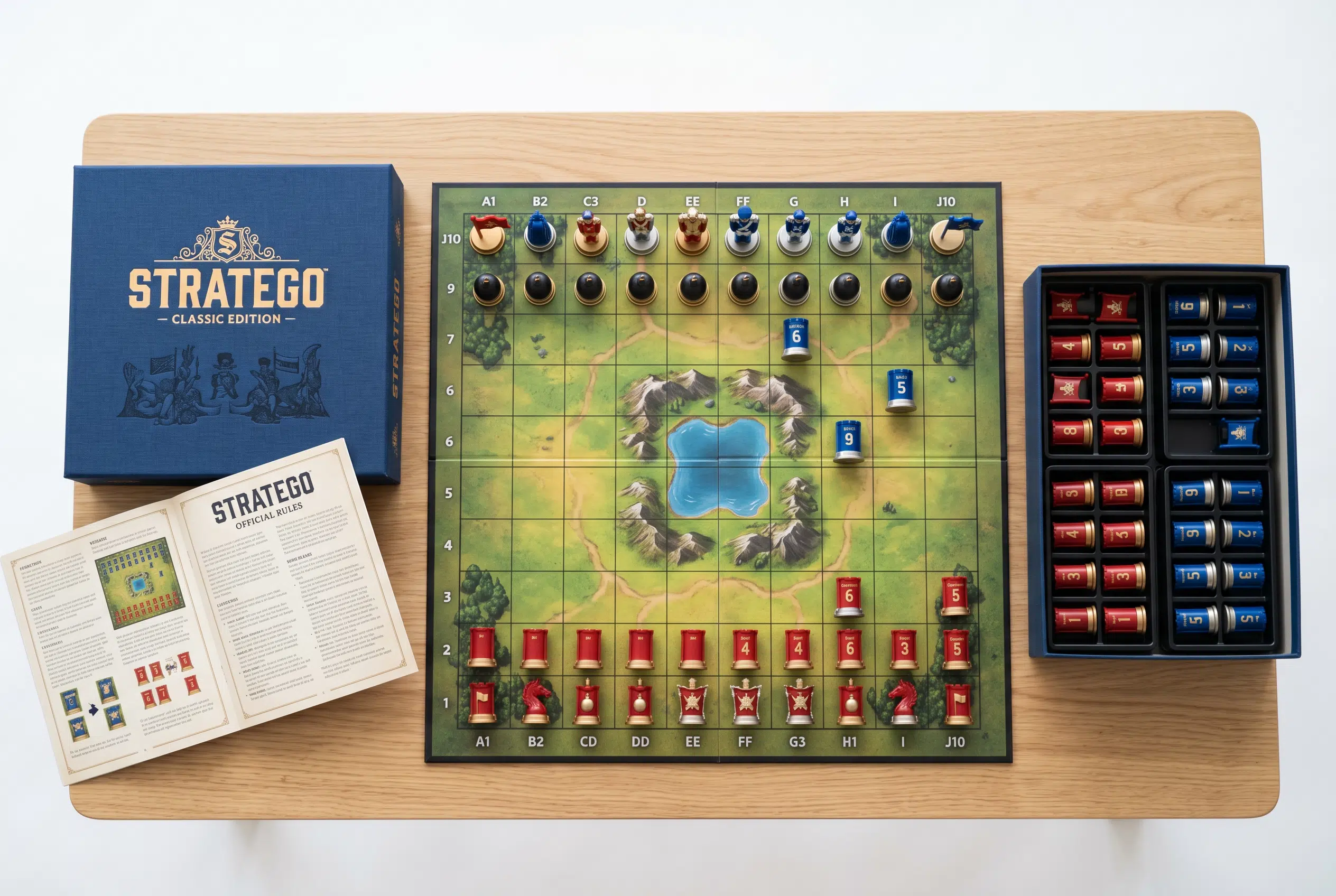
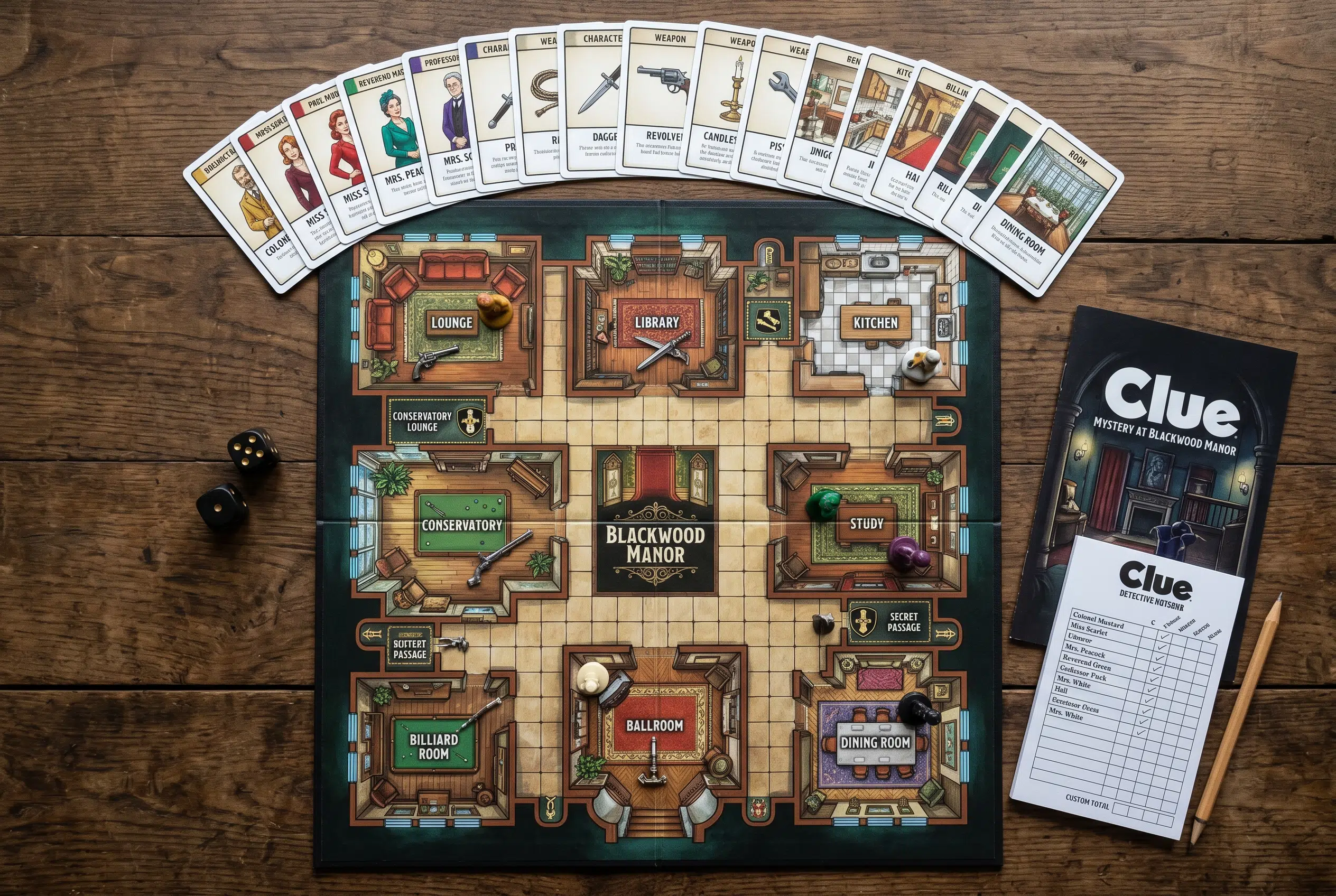
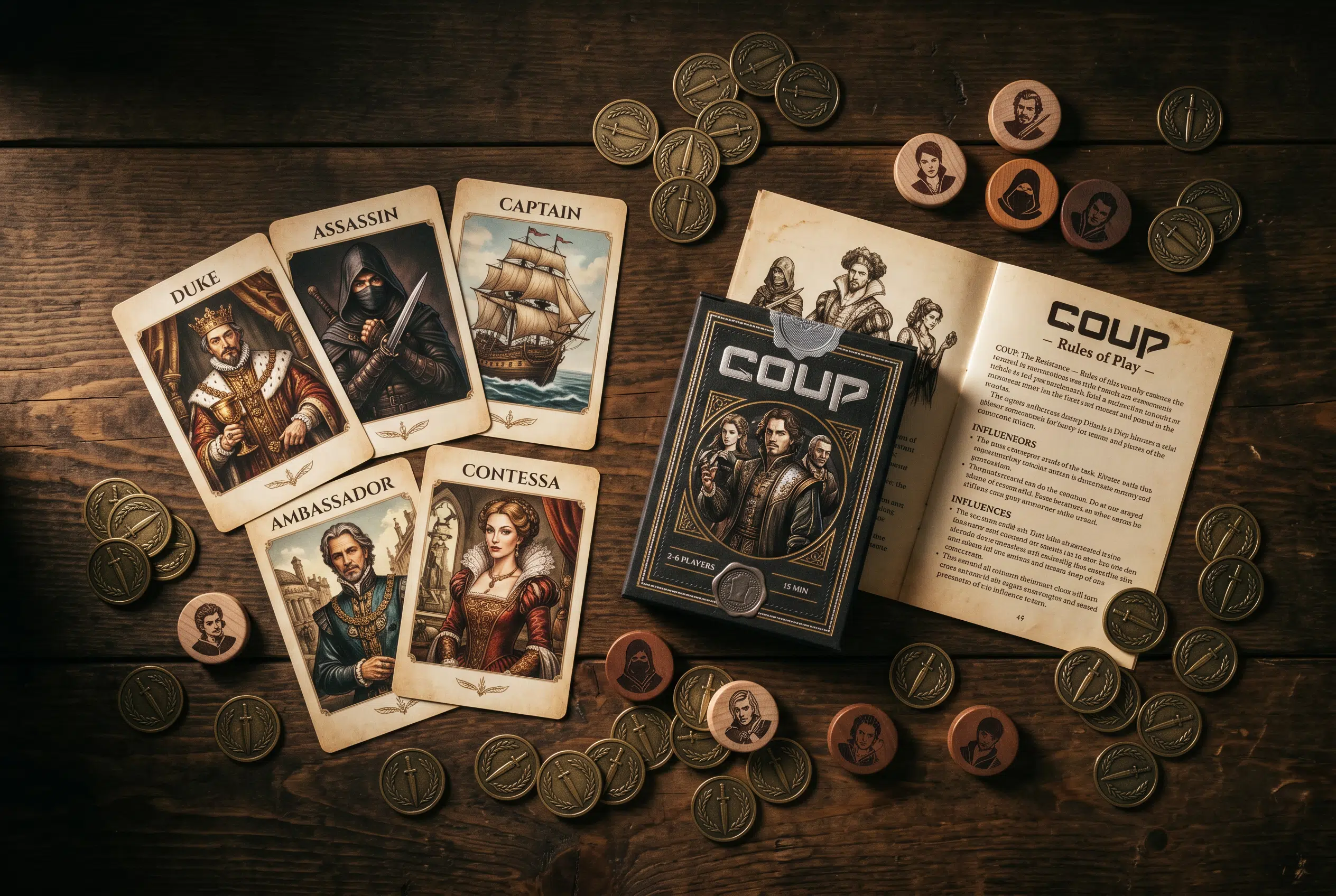
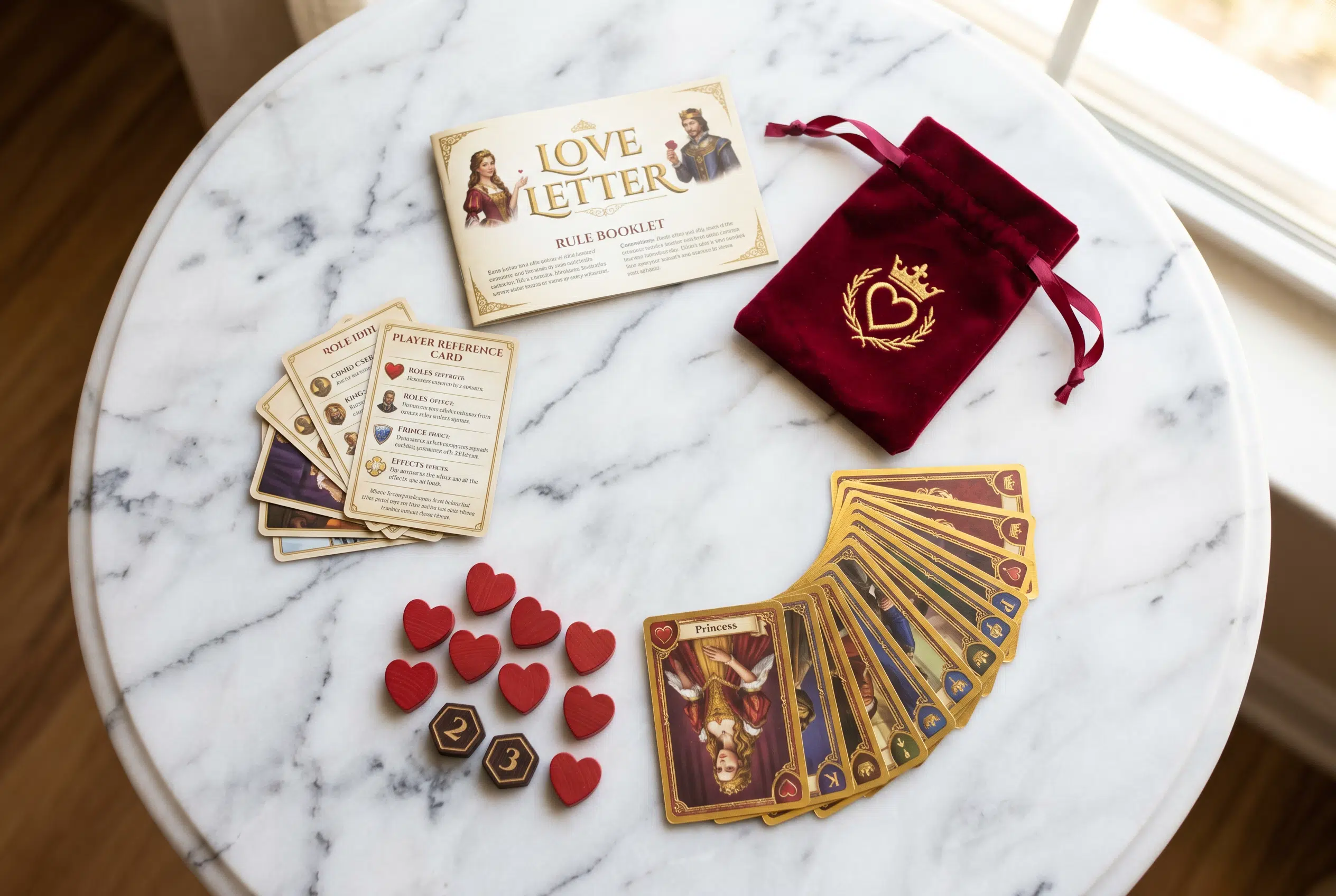
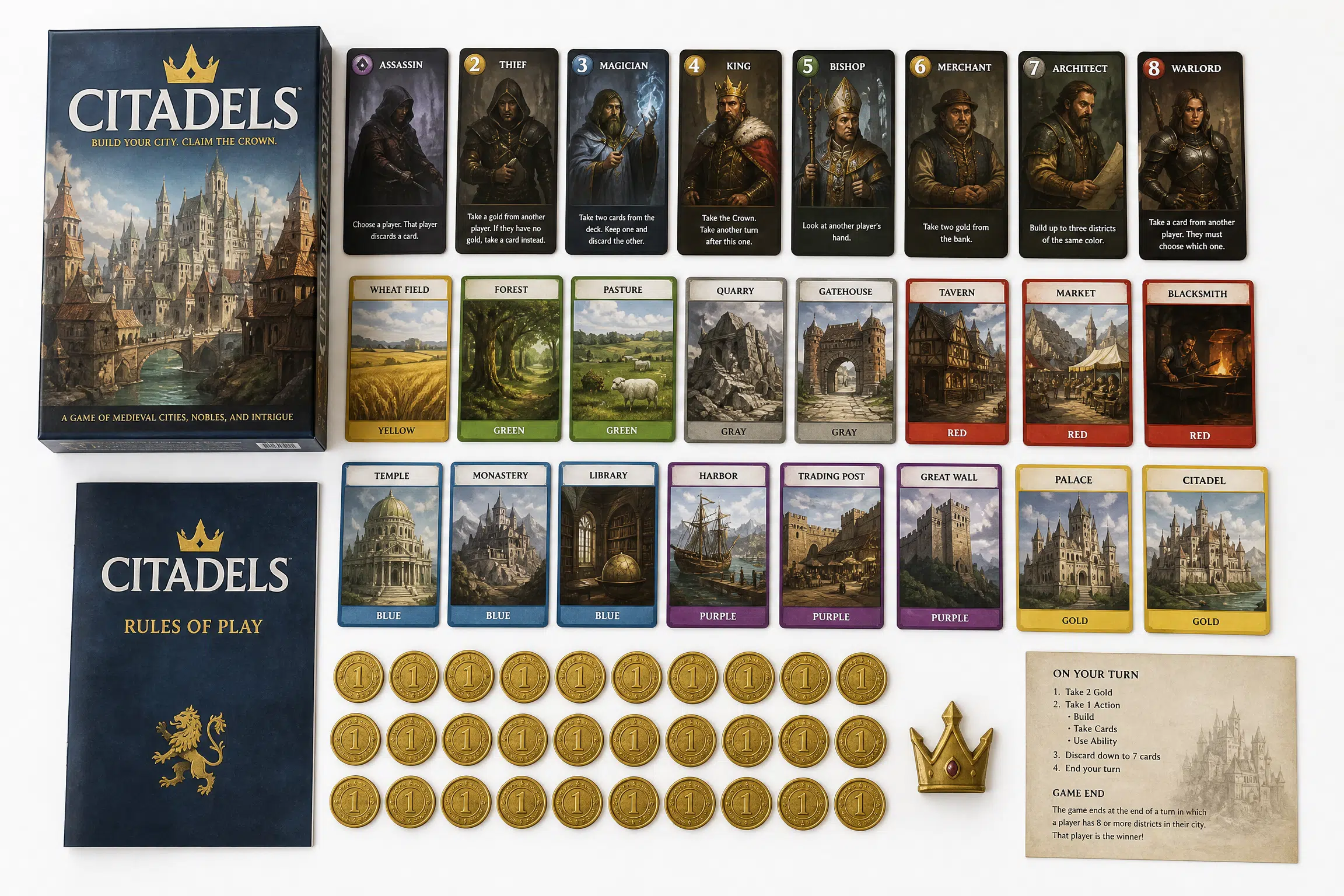
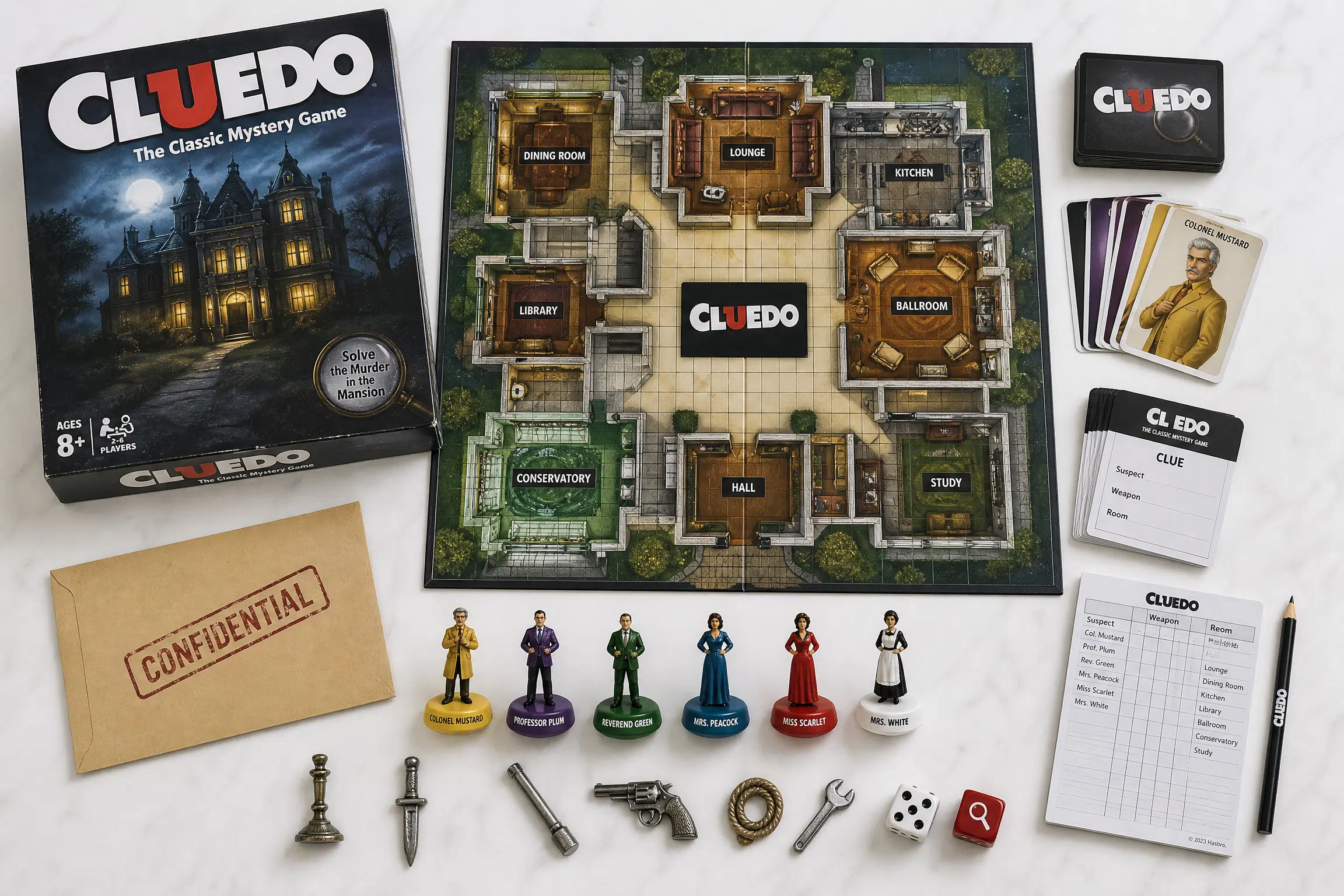
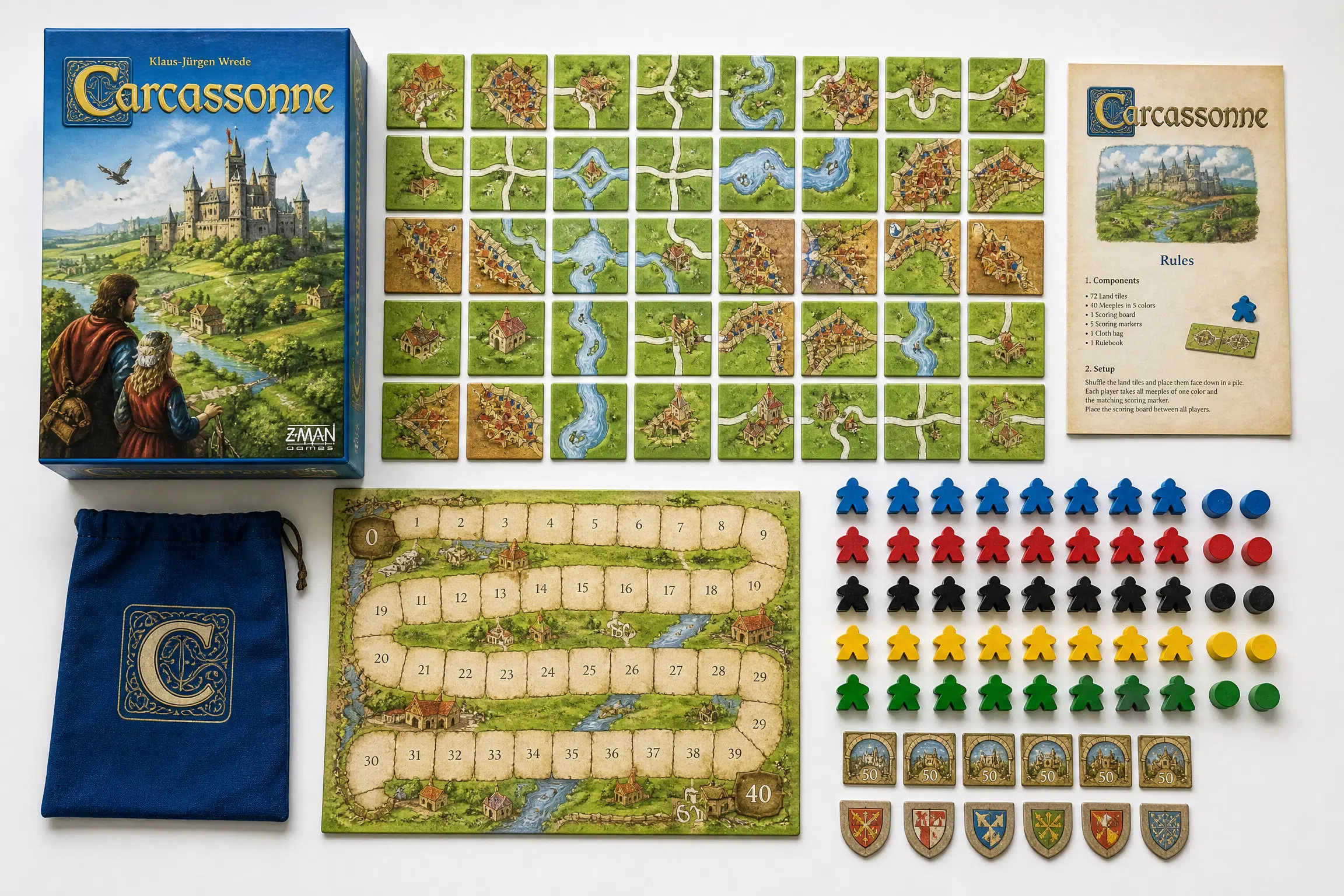
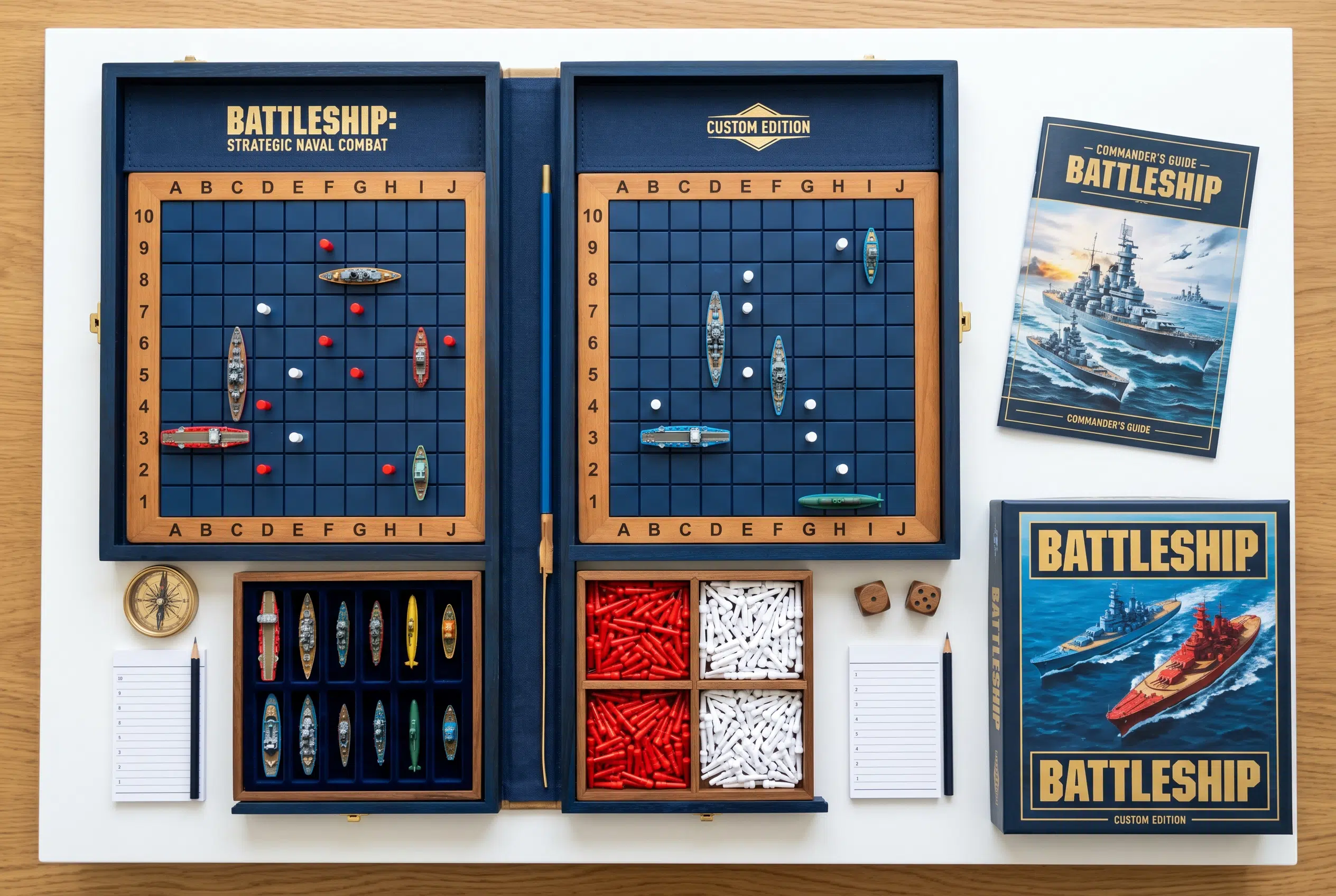
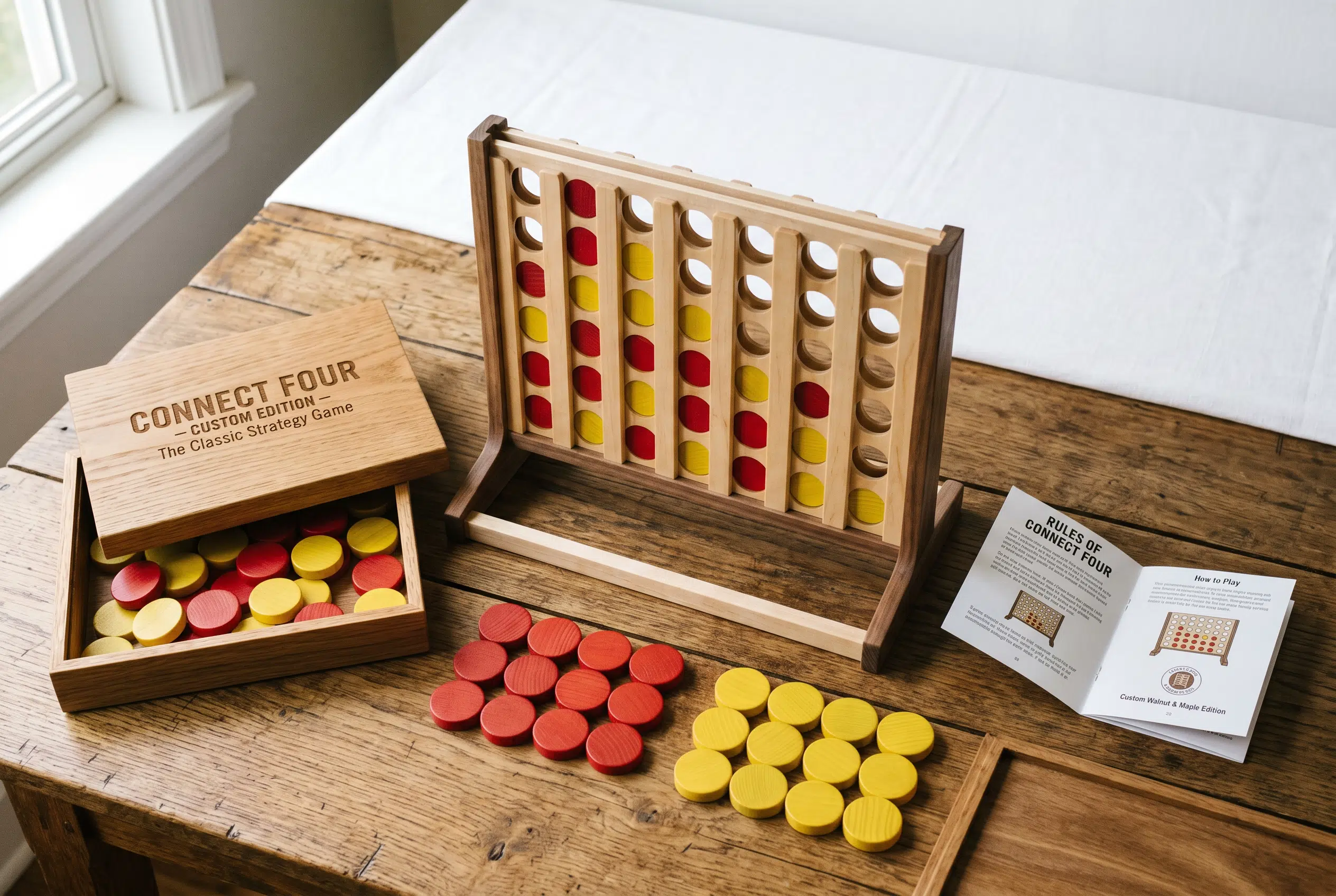
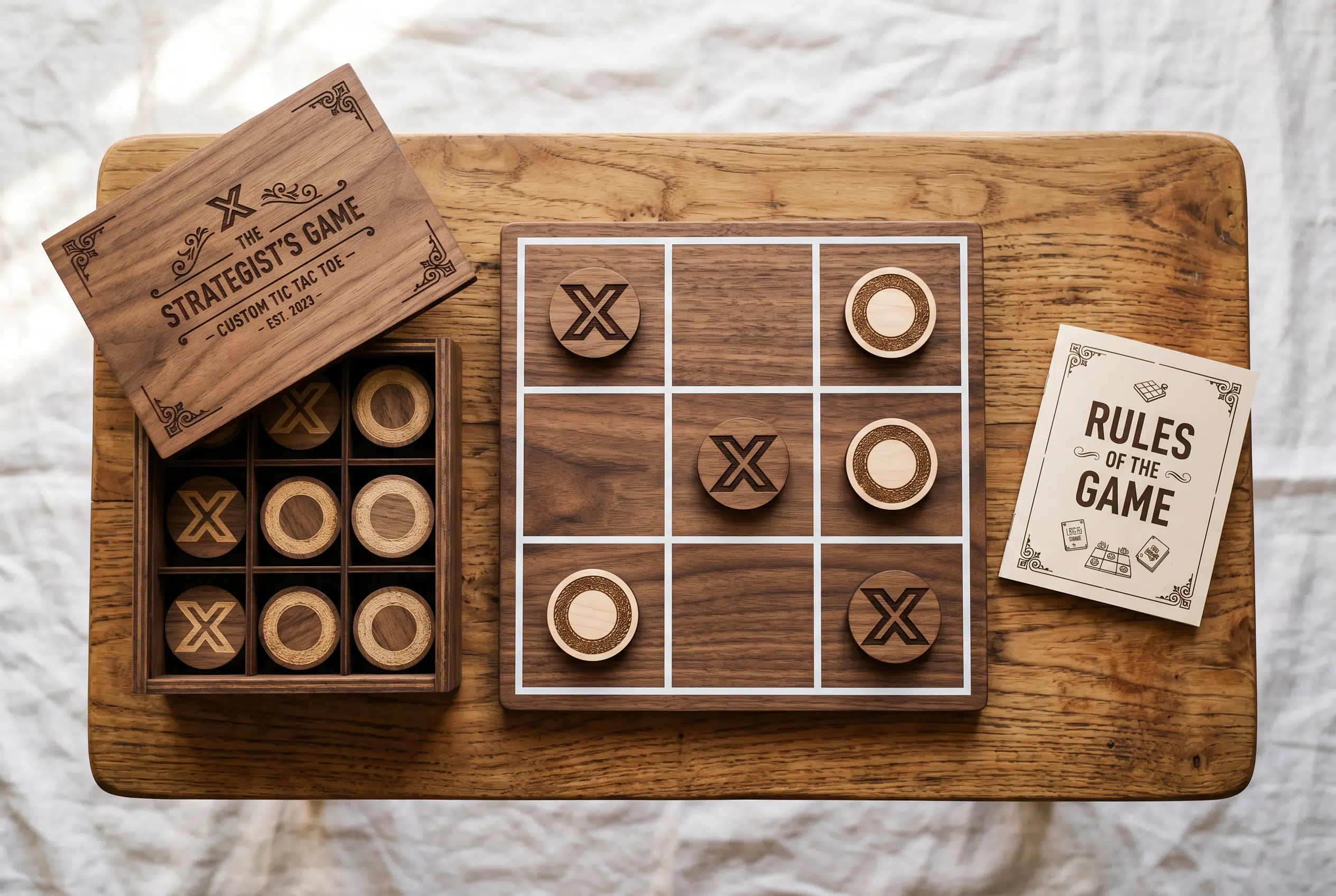
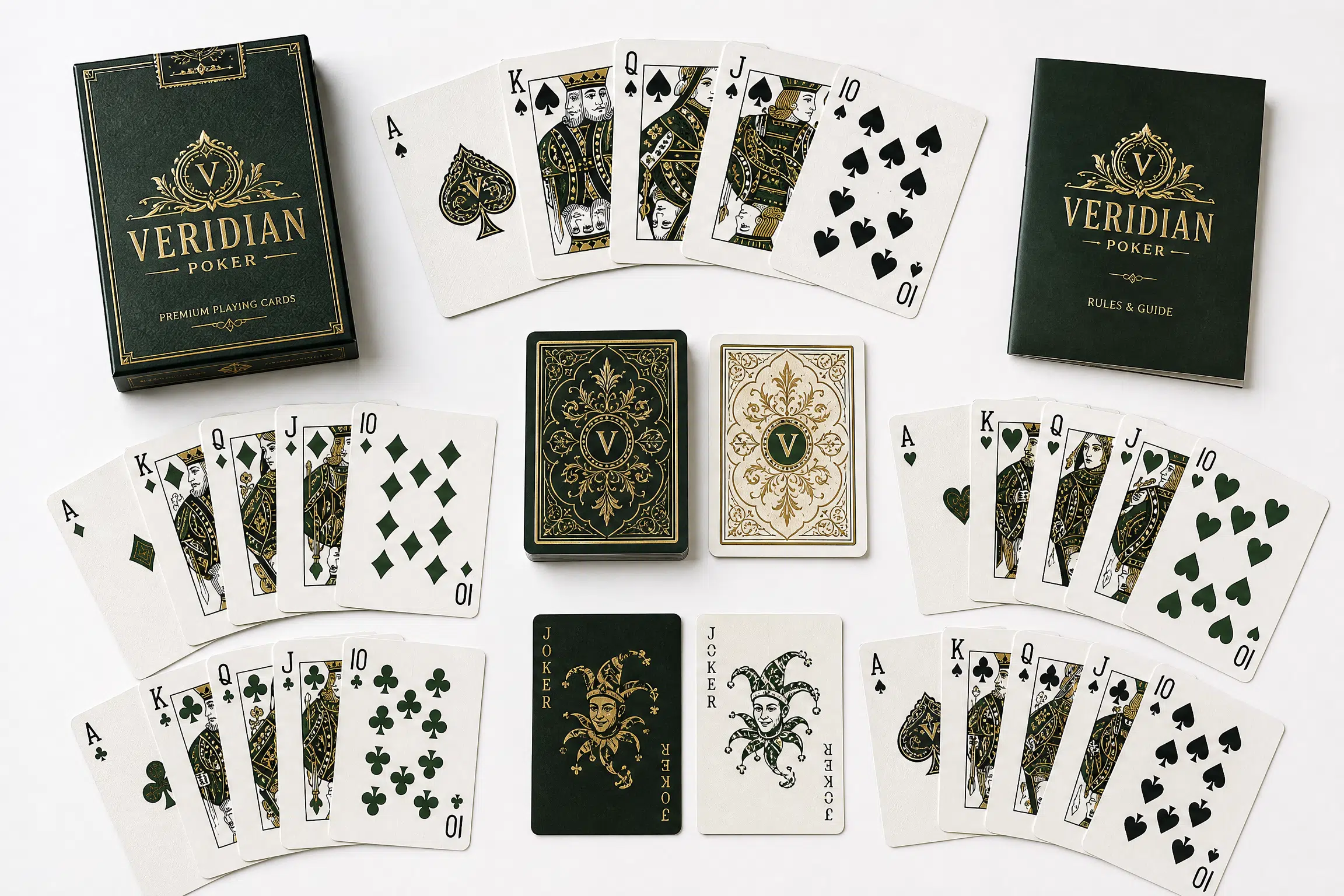
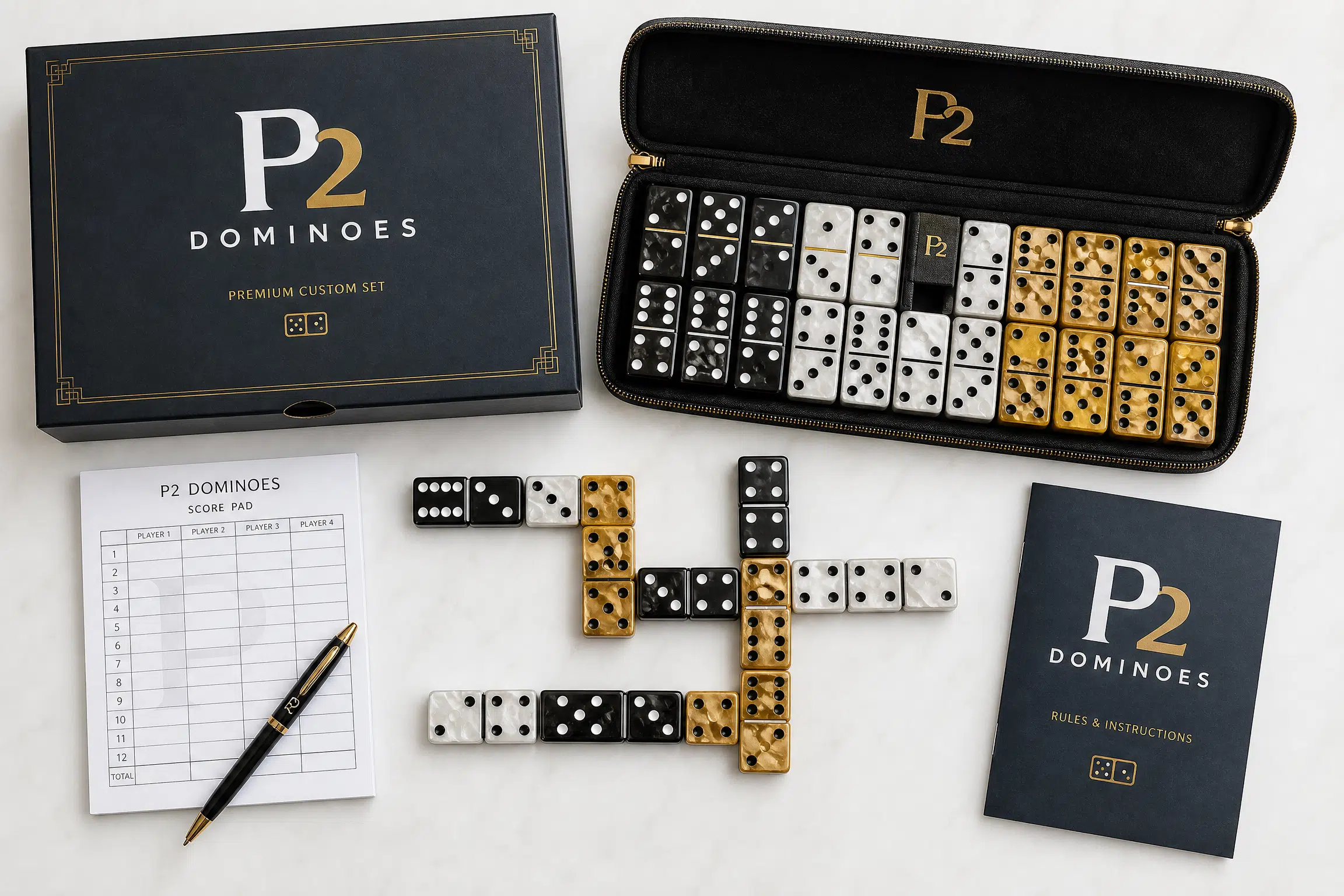
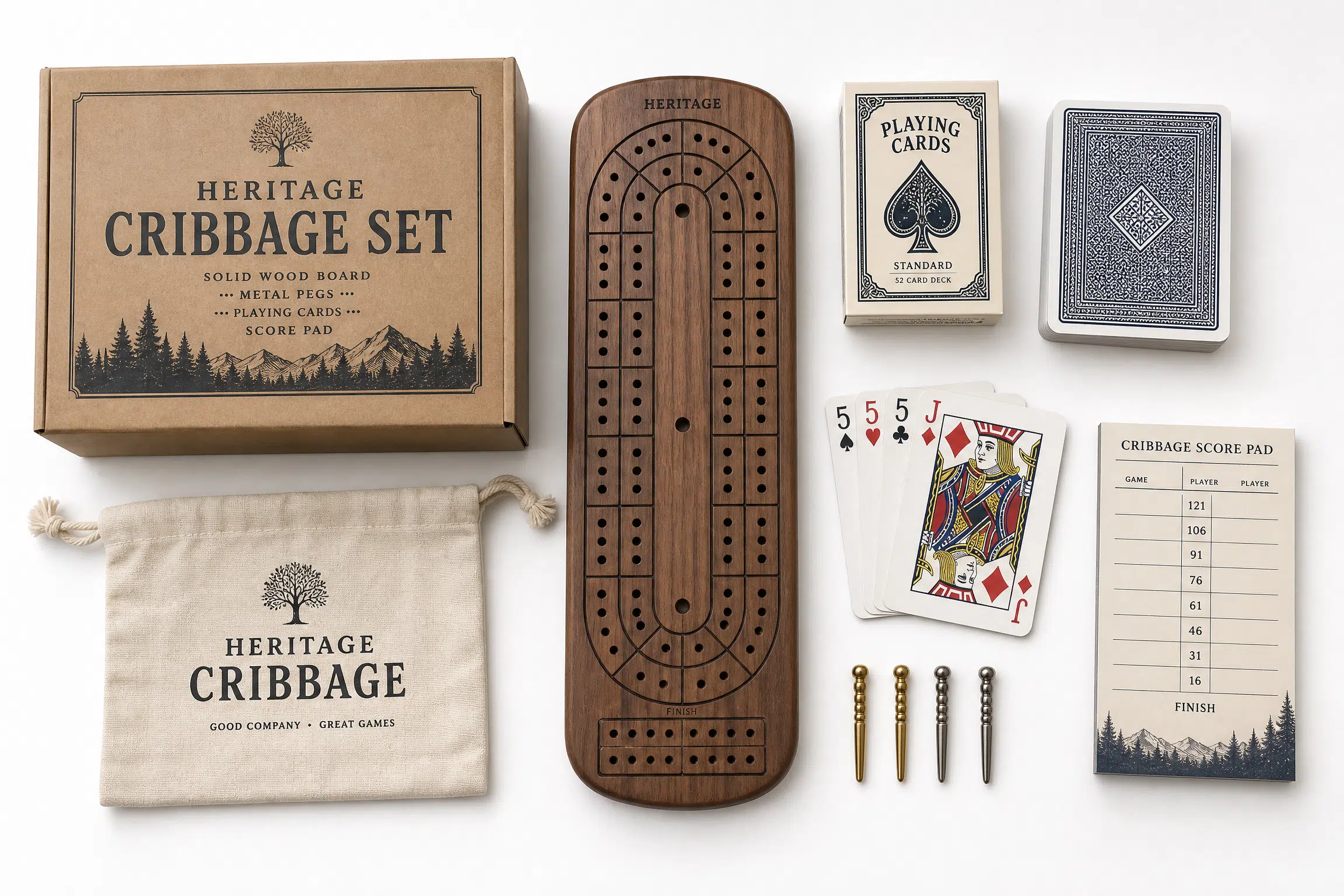
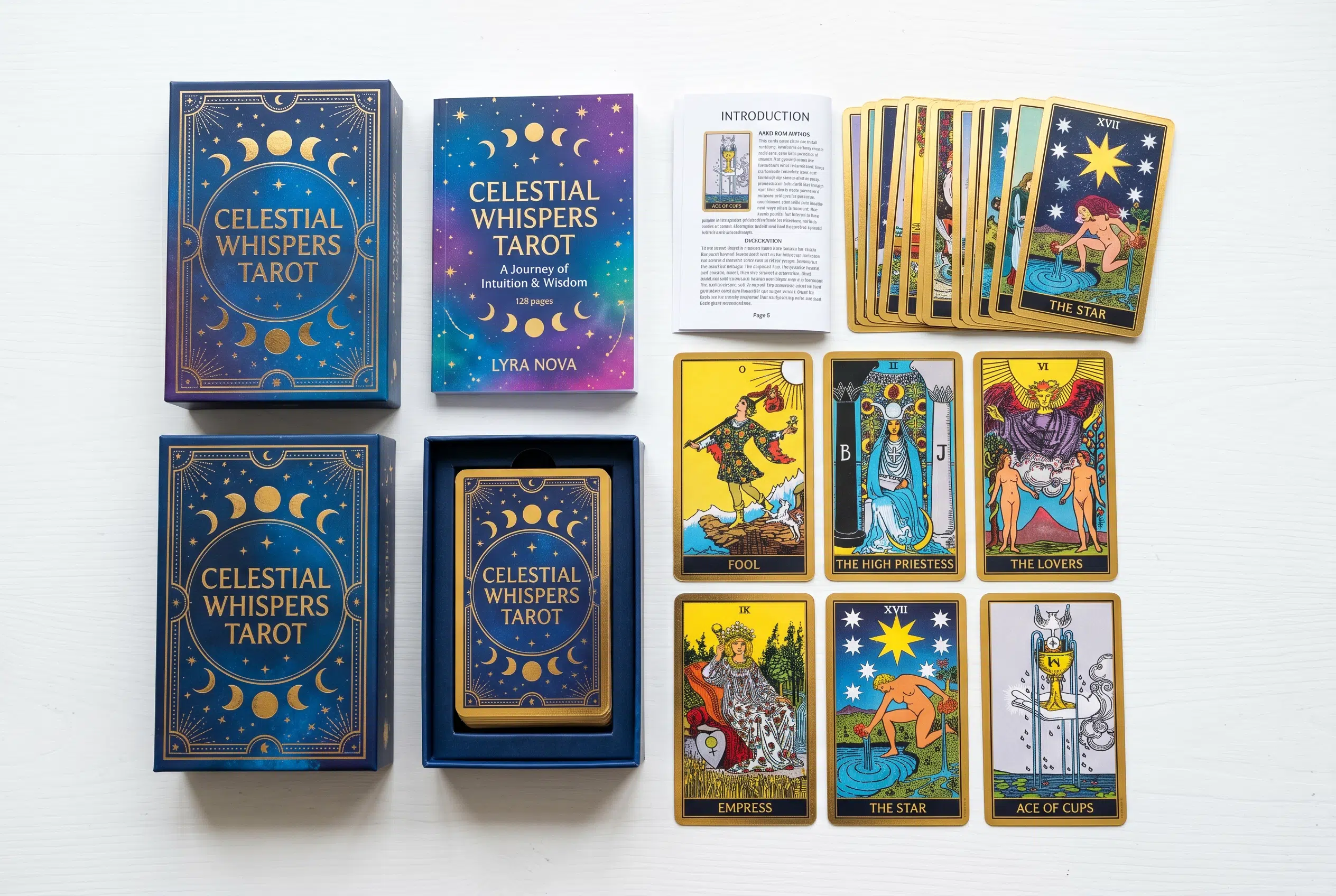
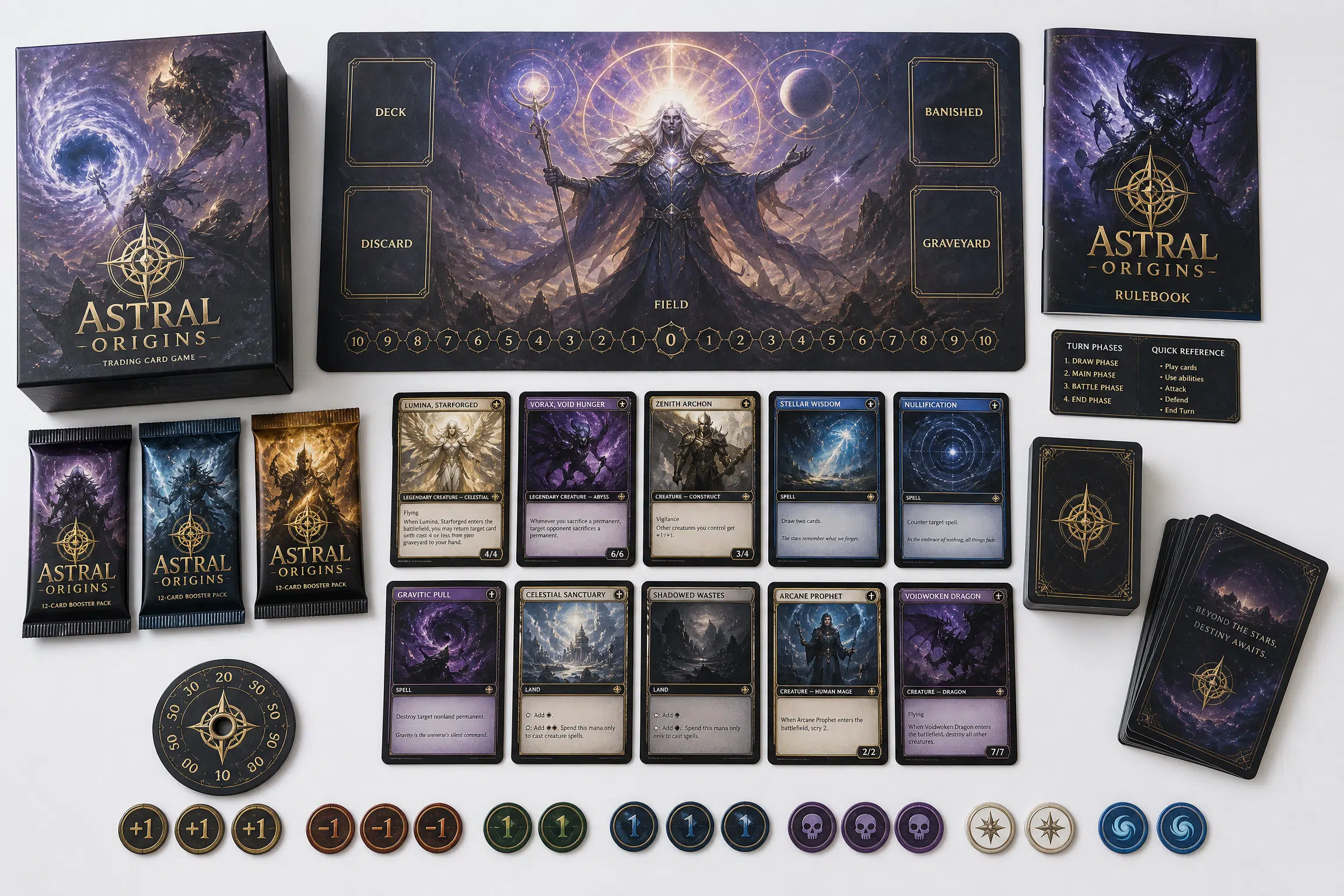
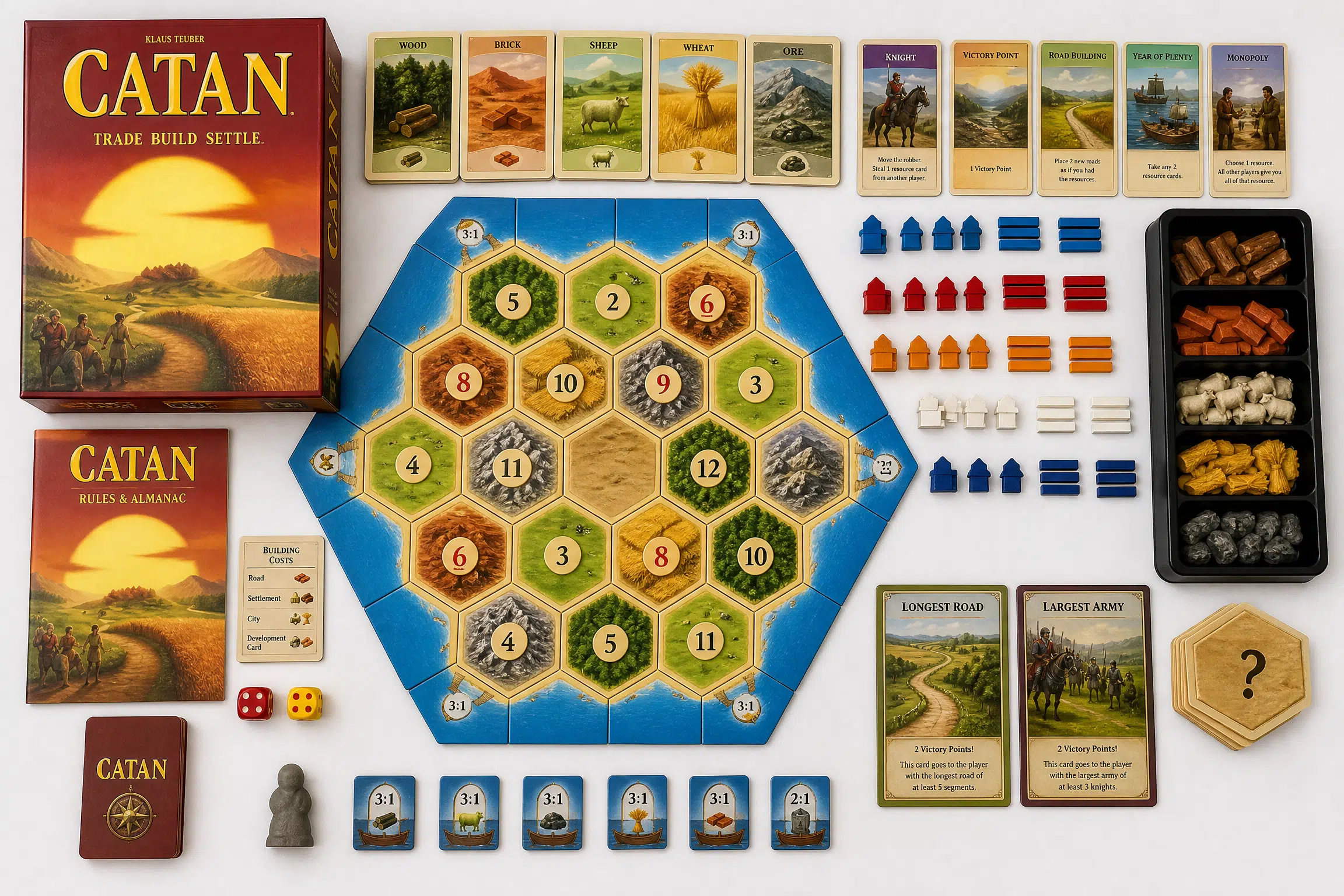
Why Funway
Precision Manufacturing, Passionate Service
We combine cutting-edge manufacturing with deep tabletop game expertise. Every component is crafted to exceed expectations — on time, on budget, every time.

Since 1999, FUNWAY has been the trusted ODM/OEM expert for brands seeking top-quality custom board games, card games, puzzles, and packaging solutions. We bring creativity to life through integrated one-stop services—including design, prototyping, manufacturing, and after-sales support—ensuring a seamless, end-to-end experience.
Our major clients include Mason Technologies, Carrier, and Kidde. Our products are featured on the shelves of major retailers such as Walmart, Amazon, Home Depot, Menards, and Costco.





OEM / ODM Manufacturing Process

Step 1: Project Review & Component Mapping
We do not quote from a loose parts list. We quote from a complete product plan.
Before pricing, we map every component: board, cards, tokens, rulebook, insert, box, and accessories. We check how they fit as one packed set. This keeps the quote accurate. It also prevents surprises later in tooling, packing, and freight. We check:
Getting this order right keeps your project on budget and on schedule.
Step 2: DFM Check & Manufacturing Review
A bad sample usually starts from a design that was never checked for real production.
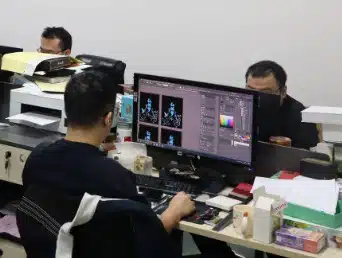
Before we build samples, we review your files for real-world manufacturing. We check dielines, bleed, safe zones, fold lines, card thickness, box depth, insert fit, and surface finish. We fix these issues before sampling:
If the packed set cannot close cleanly, changing the finish will not fix it. We fix the structure first.

Step 3: Sample Production & Approval
The sample is not a photo shoot. It is the production standard.
We build the first sample to test material feel, fold strength, color accuracy, box fit, insert tightness, and total weight. You review it. You approve it. This approved sample becomes the Golden Sample. All mass production is checked against it.
After this point, changes to board size, card stock, insert, or box depth will restart cost and lead time. We keep the sample stable so your bulk order stays on track.

Step 4: Tooling & Mold Setup
We open tooling only after the Golden Sample is locked.
Tooling covers die-cut tools for cards, boards, punchboards, inserts, and boxes. For special plastic parts, we may need molds or fixtures.
We never rush tooling while the design is still moving. Once the die is made, changes cost time and money. We wait for your final approval before cutting steel.
This protects your tooling investment and keeps the project on schedule.

Step 5: Pre-Production Validation
Small errors are cheapest to catch before the full run.
We run a small pre-production batch. We check color drift, cutting position, fold accuracy, board thickness, surface finish, and component fit.
If anything does not match the Golden Sample, we stop and fix it before using more material. This step saves both time and cost.
This is why we never skip pre-production validation.

Step 6: Mass Production & Assembly
A game is not done when the parts are printed. It is done when the box closes properly.
Cards, boards, Punchboards, rulebooks, boxes, inserts, wooden pieces, dice, and accessories have to work as one packed set. During assembly, we check whether the approved packing layout still makes sense at production speed.
This is critical for B2B orders. Your distributor receives finished goods, not loose parts. Every set must be packed clean, stack flat, and ship safely.
We control assembly so your goods arrive ready for shelf or warehouse.

Step 7: Final QC & Global Shipping
A perfect product can still fail if the carton is wrong.
Before shipping, we check carton count, sets per carton, gross weight, carton size, shipping marks, and barcode labels. We match everything to your purchase order.
For B2B and retail orders, we also check pallet markings and stack height.
Small direct shipments get standard export packing. We ship by DHL, FedEx, or sea freight with full tracking. Every order leaves our factory with correct paperwork.
Why This Process Matters
Most problems do not show up early. They show up after one wrong decision forces the next.
This process is not meant to slow you down. For simple projects, we keep it fast. For complex projects with many parts, retail rules, or tight deadlines, these checks protect you from costly rework.
FAQs
About Design
About Payment
About Shipping
About Quotation and order
About Company
From the Blog
Manufacturing Insights
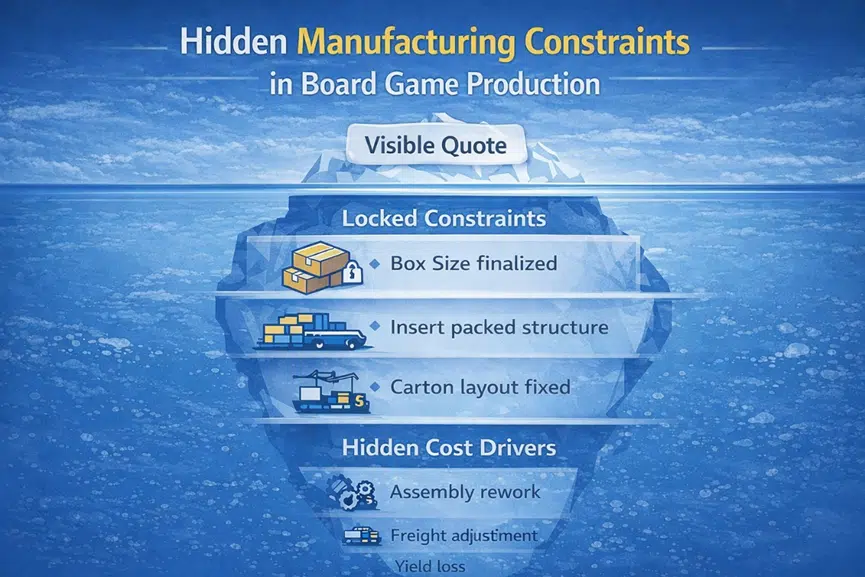
Custom Board Game Pricing Guide (2026)
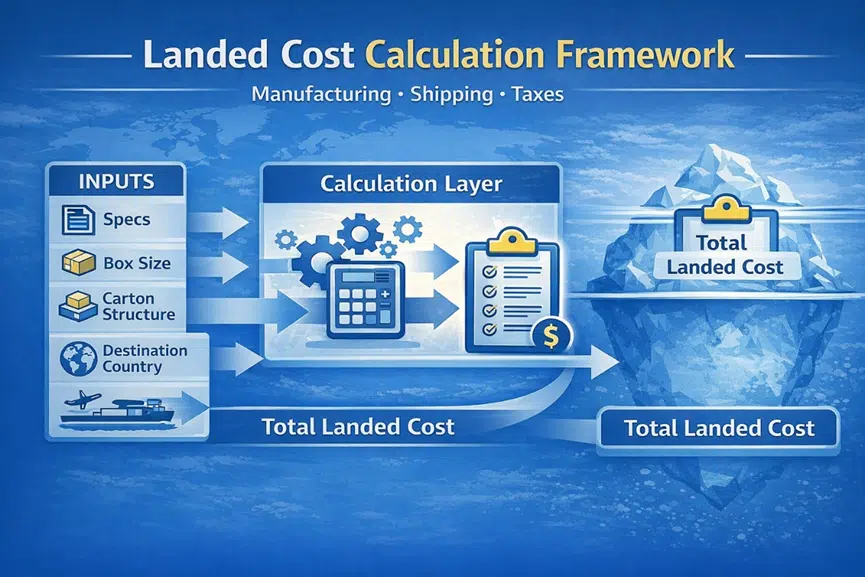
Wondering how much it costs to make a board game? Get real factory pricing examples ($4.5-$26/set), hidden shipping fee calculations,…How to Calculate the True Landed Cost of a Custom Board Game
Stop losing your crowdfunding profit to unexpected shipping bills. Learn how to calculate the true landed cost of a custom…Puzzle Materials: Blue core Cardboard Vs. Standard Cardboard
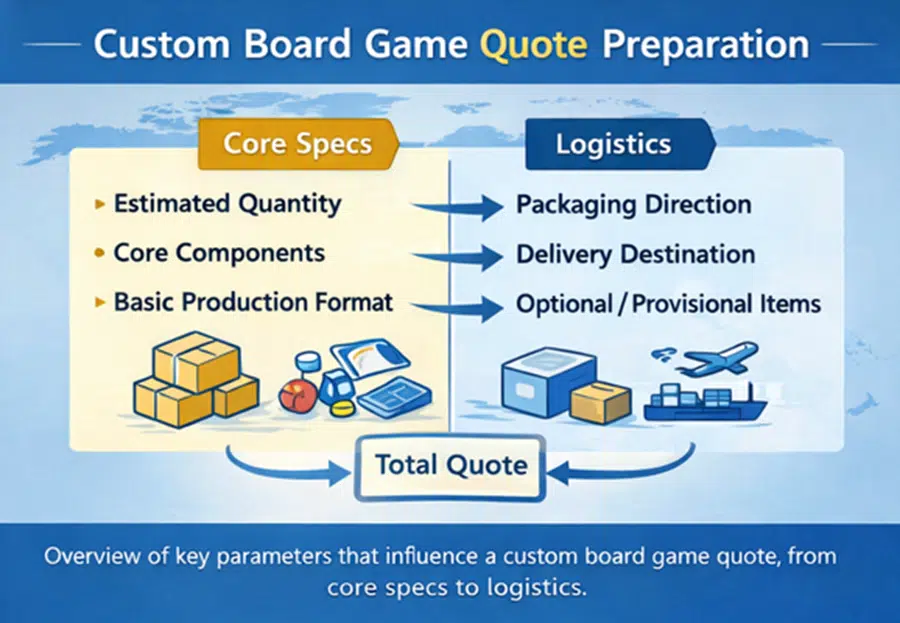
What material are puzzles made of? Learn about puzzle cardboard material from a real factory. We compare blue core, white…What to Prepare Before Requesting a Custom Board Game Quote
How to Organize Your Specifications Before Contacting a Manufacturer Requesting a custom board game quote should be a straightforward step,…